Ετικέτες

Κυριακή 13 Μαρτίου 2016

10 intriguing facts about the Achaemenid Persian Empire and its army


Facts_Achaemenid_Persian_Empire
When the Assyrians were carving out the world’s first true ‘super empire’ from the period of 10th century to 7th century BC, a wave of pastoral tribes from north of the Caspian Sea was busy settling in the eastern side of Zagros Mountains, in an expansive plateau that stretched all the way to western India. These were the semi-nomadic Indo-Iranian people who flocked to settled lands and even started out their own religious institutions with the ‘universal’ principles. One of such principles pertains to the prophet Zoroaster and his nigh monotheistic approach to religion – with the ‘head god’ attribution given to the supreme being of Ahura Mazda. Such evolving yet unrestricted religious maxims clearly contrasted with the Babylonian system where each city seemingly had an exclusive patron god with his/her own set of ‘godly’ powers.

5 interesting things you should know about the Macedonian phalanx


Amazing_Facts_Macedonian_phalanx
By the very intrinsic nature of the Greek lands and topography, large scale cavalry forces were never an option for most burgeoning city-states of Greece. This was especially due to the rough nature of the terrain that was not exactly conducive to the trotting of unshod horses. In essence, their relative geographical position made Greeks the ‘men of the spear’ – a military tactic that preferred tight formations over extensive battlefield maneuvering. This ‘tradition’ of hoplites ultimately made way for the famed phalanx of the Macedonians and their Greek successor states – thus dominating the battlefield for the next century after Alexander the Great’s death.

10 fascinating things you should know about the ancient Assyrian state and its army


Incredible_Assyrian_Army_Facts_Ancient
In a conventional sense, when we talk about the Assyria, our notions pertain mostly to what is known as the Neo-Assyrian Empire (or the Late Empire) that ruled the largest empire of the world up till that time, roughly existing from a period of 900-612 BC. Known for its utter ruthlessness and effective military system, this is what historian Simon Anglim said about this ancient state –
…an aggressive, murderously vindictive regime supported by a magnificent and successful war machine. As with the German army of World War II, the Assyrian army was the most technologically and doctrinally advanced of its day and was a model for others for generations afterwards. The Assyrians were the first to make extensive use of iron weaponry [and] not only were iron weapons superior to bronze, but could be mass-produced, allowing the equipping of very large armies indeed.

Σάββατο 12 Μαρτίου 2016

10 interesting things you should know about the Medieval Knight


10_Medieval_Knight_Facts
Whenever we talk about a medieval knight our reveries cling on to the resplendent image of a chivalrous warrior incredibly armored from head to toe, while being mounted atop a great warhorse. Now while reality is not far from this imagery, there was historically more to the scope of knighthood than just mowing down the ‘lesser’ infantrymen in battlefields of the middle ages. In fact, the very term ‘medieval knight’ is a pretty generic one, and their roles across the realms and fiefs of Europe differed considerably, especially when it came to administrative and land-holding side of affairs. In essence, the role of a knight extended far beyond the battlefield, and ranged into seemingly mundane avenues like petty judges, political advisers to even glorified farmers (at least in the initial years of 11th century). Obviously in this article, we will cover the martial ambit of these warriors/social elites, and thus by ‘medieval knight’ we would denote the European knights of the middle ages who shared overlapping attributes in (mostly) military affairs.

«Ο πιο περήφανος λαός στον κόσμο...»


ΧΡΙΣΤΙΝΑ ΣΑΝΟΥΔΟΥ
Το 1303, οι Καταλανοί ταξίδεψαν από τη Σικελία στην Κωνσταντινούπολη για να βοηθήσουν τον αυτοκράτορα Ανδρόνικο στην αντιμετώπιση της οθωμανικής απειλής.
ΕΤΙΚΕΤΕΣ:
«Από τη μια είναι ο πιο περήφανος λαός στον κόσμο, καθότι δεν υπάρχει λαός που να του έχουν κάποιο σεβασμό, πέρα από αυτούς τους ίδιους, παρότι δεν αξίζουν τίποτα, κι από την άλλη είναι ο λιγότερο φιλεύσπλαχνος προς τον πλησίον του λαός στον κόσμο όλον». Ετσι περιγράφει τους Βυζαντινούς Ελληνες ο Καταλανός στρατιώτης και συγγραφέας Ραμόν Μουντανέρ στο περίφημο Χρονικό του, αποσπάσματα του οποίου κυκλοφορούν για πρώτη φορά στα ελληνικά. Η σκληρότητα των περιγραφών ίσως ξενίζει τον Ελληνα αναγνώστη, που είναι πιο εξοικειωμένος με τους -εξίσου αρνητικούς- χαρακτηρισμούς των Καταλανών σε δημοτικά τραγούδια. Και πώς να μην περιγράφεται με μελανά χρώματα ο μισθοφορικός στρατός, που τον 14ο αιώνα λεηλάτησε χωρίς έλεος περιοχές της Βόρειας και Κεντρικής Ελλάδας;

Μιχαηλ ο Ή Παλαιολογος και η Ένωση των Εκκλησιών το 1274.

 ·
‎Nikolaos Fotios Tsiapos‎ έως 

Μιχαηλ ο Ή Παλαιολογος και η Ένωση των Εκκλησιών το 1274.
Η απομάκρυνση του δυτικού κινδύνου με τη συμμετοχή του βασικού αντιπάλου του Μιχαήλ Η' Καρόλου Ανδεγαυού της Σικελίας στη Σταυροφορία του Λουδοβίκου της Γαλλίας εναντίον των Μουσουλμάνων της Τυνησίας το 1270 αποδείχτηκε προσωρινή. Αμέσως μετά το πέρας της Σταυροφορίας ο Κάρολος έσπευσε να πραγματοποιήσει τις αποφάσεις της συμφωνίας του Viterbo (1267) κατά του Βυζαντίου.

ΙΣΤΟΡΙΑ ΠΑΡΘΕΝΩΝΑ15ου-19ου αιώνος μ.Χ.

Η συμβολή του Βυζαντινού πνεύματος στη διαμόρφωση της Ευρωπαϊκής κουλτούρας Η συμβολή του Βυζαντινού πνεύματος στη διαμόρφωση της Ευρωπαϊκής κουλτούρας

Παναγιώτη Κ. Κανελλόπουλου*
1. Ο 8ος αιώνας ήταν αποφασιστικός για την τύχη της Ευρώπης, που μόλις είχε αρχίσει να σχηματίζεται. Σημειώθηκαν, τότε, γεγονότα που, αν δεν είχαν σημειωθεί, δεν θα μπορούσε ο Κάρολος ο Μέγας να κάμει το πρώτο μεγάλο βήμα για την αποκρυστάλλωση της Ευρώπης ως ενιαίου πολιτιστικού χώρου. Αν επικρατούσαν οι 'Aραβες, μπορεί η Ευρώπη να γινόταν μια θαυμάσια επαρχία του δυναμικού Ισλάμ της εποχής εκείνης, αλλά δεν θάταν η Ευρώπη, όπως την γνωρίζουμε σήμερα. Θα έχανε ίσως και το όνομα της, που ήταν ελληνικό.

Καππαδόκες, Αρμένιοι και Έλληνες στην ανατολική Βυζαντινή Μικρά Ασία: μια εθνολογική προσέγγιση


Περικλής Δεληγιάννης* 
Οκτώβριος- Δεκέμβριος 2015, τεύχος 87

Κατά τον 4ο αι. π.Χ., πριν τις κατακτήσεις του Μεγάλου Αλεξάνδρου, η Μικρά Ασία ήταν μία πολυφυλετική περιοχή κατοικημένη από αρκετούς λαούς με διαφορετική καταγωγή. Η Ιωνία, η Αιολίδα, η Δωρίδα, η Τρωάδα και οι ακτές της Παμφυλίας και της Κιλικίας είχαν ελληνικό πληθυσμό. Οι Καππαδόκες της καθαυτό Καππαδοκίας και του δυτικού Πόντου μιλούσαν διάφορες «υβριδικές» φρυγικές, ιρανικές, λουβικές, χουρριτικές-ουραρτικές και παλαιοκαυκάσιες διαλέκτους, όπως και οι γειτονικοί τους Αρμένιοι, αλλά ο μικτός ιρανοφρυγικός χαρακτήρας με ένα προβάδισμα του φρυγικού στοιχείου, έτεινε να επικρατήσει και στους δύο αναφερόμενους λαούς.

Καλλικράτης Σφακίων, το χωριό των τελευταίων απροσκύνητων Κρητών μαχητών της Πόλ

Καλλικράτης Σφακίων, το χωριό των τελευταίων απροσκύνητων Κρητών μαχητών της Πόλης
230116-kalikratis (1)


Υπάρχει στην επαρχία Σφακίων ένα χωριό με το όνομα Καλλικράτης. κτισμένο στα 750 μέτρα υψόμετρο και ο επισκέπτης στην είσοδο του χωριού συναντά μια πλάκα που τον πληροφορεί ότι το χωριό χρωστά το όνομα του στο Μανούσο Καλλικράτη αρχηγό σώματος 1500 εθελοντών που το Μάρτη του 1453 ξεκίνησε να βοηθήσει στην άμυνα της Πόλης …
Το τι απέγιναν αυτοί οι εθελοντές, μας πληροφορεί αρχικά ο Φραντζής: «Όταν μπήκαν οι εχθροί στην Πόλη, έδιωξαν τους Χριστιανούς που είχαν απομείνει στα τείχη με τηλεβόλα, βέλη, ακόντια και πέτρες. Έτσι έγιναν κύριοι ολόκληρης της Κωνσταντινούπολης, εκτός των πύργων του Βασιλείου του Λέοντος και του Αλεξίου, τους οποίους κρατούσαν οι ναύτες από την Κρήτη που πολέμησαν από τις 6 μέχρι τις 8 το απόγευμα και σκότωσαν πολλούς Τούρκους.

Ο Έλληνας Βυζαντινός αγιογράφος Λουκάς Καγκελλάρης, (12ος αιώνας)

Ο Λουκάς Καγκελλάρης ήταν Έλληνας Βυζαντινός αγιογράφος, ο οποίος έζησε τον 12ο αιώνα στην Κωνσταντινούπολη, όπου φιλοτέχνησε μερικές από τις καλύτερες εικόνες της Παναγίας. Εξαιρετικές εικόνες, όπως η Παναγία η Νικοποιός (Madonna Nicopeia), που κατέληξε στη Βενετία μετά την άλωση της Πόλης από τους Σταυροφόρους το 1204, η Παναγία του Αγίου Λουκά (Madonna di San Luca), που μεταφέρθηκε στη Μπολόνια το 1160
και φέρει την επιγραφή Opus Lucae Cancellari, ή όπως την ανέγνωσε ο Antonio Masini (1599-1691) Cancellarii (Καγκελλαρίου),[1] η Παναγία Προστάτις του ρωμαϊκού Λαού (Madonna Salus Populi Romani) στη Ρώμη, καθώς και άλλες με ελληνικές επιγραφές της περιόδου αυτής αποδίδονται πιθανότατα σε εκείνον.[2] [3] [4]

22 Gut Wrenching Images Of Bombers That Didn’t Make It Home


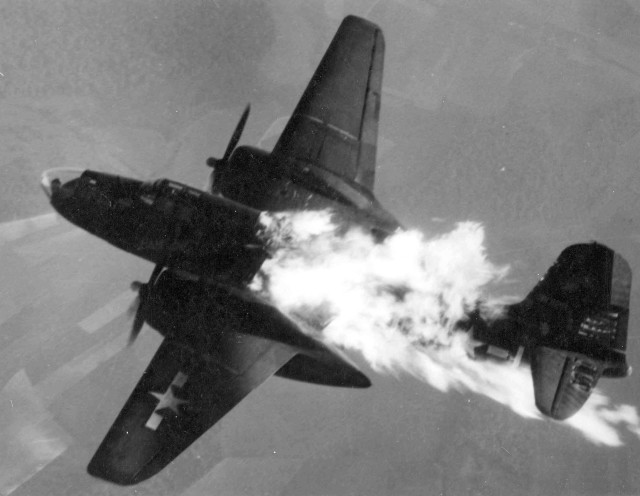
Douglas A-20J-10-DO (S/N 43-10129) of the 409th or 416th Bomb Group after being hit by flak over Germany. (U.S. Air Force photo)Douglas A-20J-10-DO (S/N 43-10129) of the 409th or 416th Bomb Group after being hit by flak over Germany. It burst into flames and crashed a mile west of the target. Two chutes were seen to come out of the plane. Its crew was 1st Lt Robert E. Stockwell, pilot, 2d Lt Albert Jedinak, bombardier-navigator, S/Sgt Hollis A. Foster and S/Sgt Egon W. Rust, gunners. Lt Stockwell had been with the Group almost from the beginning of its existence.
The strategic bombing campaign during WWII cost the lives of roughly 160,000 Allied airmen and 33,700 planes in the European theater alone.

O βυζαντινός στόλος προσεγγίζει την Κρήτη


Χελάνδιο
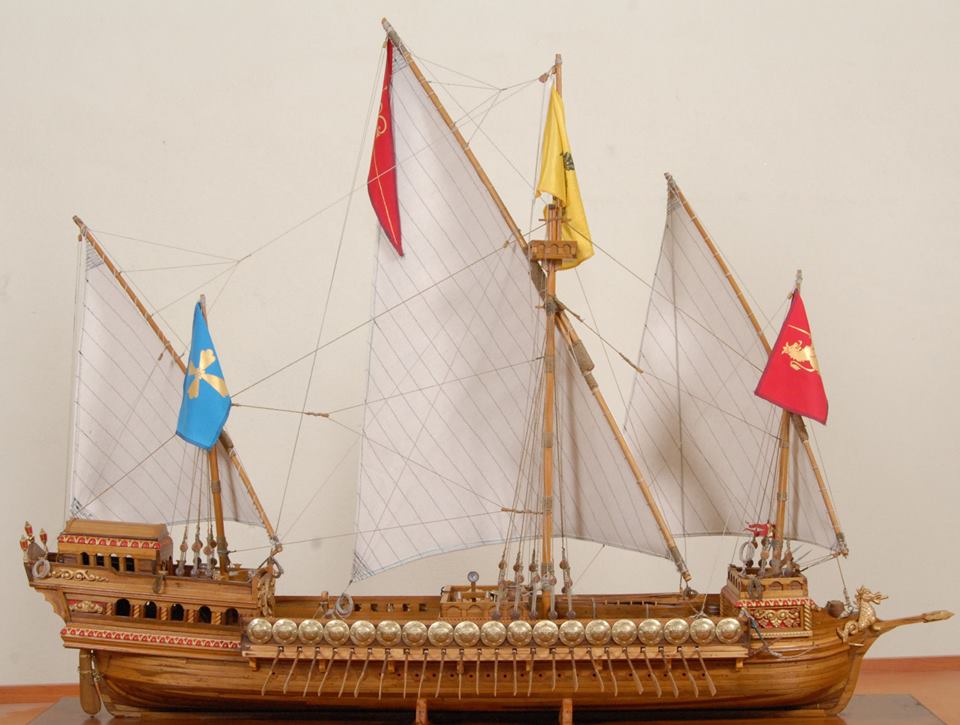
εικόνα - Χελάνδιο του ναυπηγού Ευάγγελου Γρυπιώτη
Το 960, με την ιδιότητα του δομέστικου των σχολών της Ανατολής, ο μετέπειτα αυτοκράτορας Νικηφόρες Φωκάς ανέλαβε επικεφαλής της εκστρατείας για την απελευθέρωση της Κρήτης από τους Σαρακηνούς (Άραβες). Συγκέντρωσε το βυζαντινό στρατό στα Φύγελα της Μ. Ασίας, κατέπλευσε στον κόλπο του Αλμυρού και άρχισε τις επιχειρήσεις εναντίον του αραβικού στρατού. Στρατοπέδευσε κοντά στο Xάνδακα (σημ. Ηράκλειο), την πρωτεύουσα της Κρήτης, επιχειρώντας ταυτόχρονα επιθέσεις εναντίον των τειχών και εξορμήσεις στο εσωτερικό, για να υποτάξει ολόκληρο το νησί. Ύστερα από εννέα μήνες δραματικής πολιορκίας, το Μάρτιο του 961, κατέλαβε το Χάνδακα και επανέφερε την Κρήτη στους κόλπους της βυζαντινής αυτοκρατορίας για τα επόμενα 250 χρόνια,
Στο παρακάτω απόσπασμα ο Κώστας Κυριαζής (1920-1991) εκδότης και διευθυντής της εφημερίδας "Έθνος", βαθύς γνώστης της βυζαντινής βιβλιογραφίας που τιμήθηκε με το Κρατικό Βραβείο για το βιβλίο του «Ηράκλειος» περιγράφει τις στιγμές της προσάραξης του Βυζαντινού στόλου στα κρητικά παράλια, τη μάχη που ακολούθησε που, μεταξύ άλλων, περιλάμβανε και τη χρήση υγρού πυρός από τα βυζαντινά πλοία.

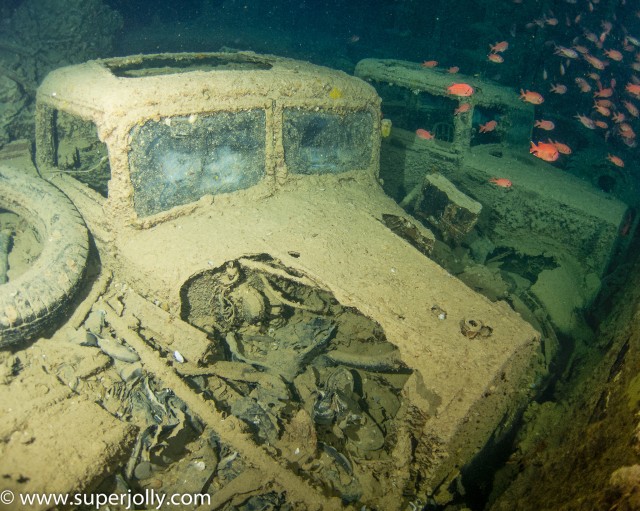
Wreck of the SS Thistlegorm in the Egyptian Red Sea


SUPER JOLLY thistlegorm truk1
By Super Jolly for War History Online:
 
  • Underwater for 68 years, a snap shot in time and beautifully preserved
  • WWII cargo so desperately needed by Allied forces in Egypt, bombed just short of it’s destination
  • This watery grave has become the most popular dive site in the Egyptian Redsea attracting hundreds of visitors every day to experience this underwater memorial

World War II Story by Robert F. Gallagher "Scratch One Messerschmitt"


Chapter 18 - St. Goar, Germany
War is a profession by which a man cannot live honorably; an employment by which the soldier, if he would reap any profit, is obliged to be false, rapacious, and cruel.
Niccolo Machiavelli


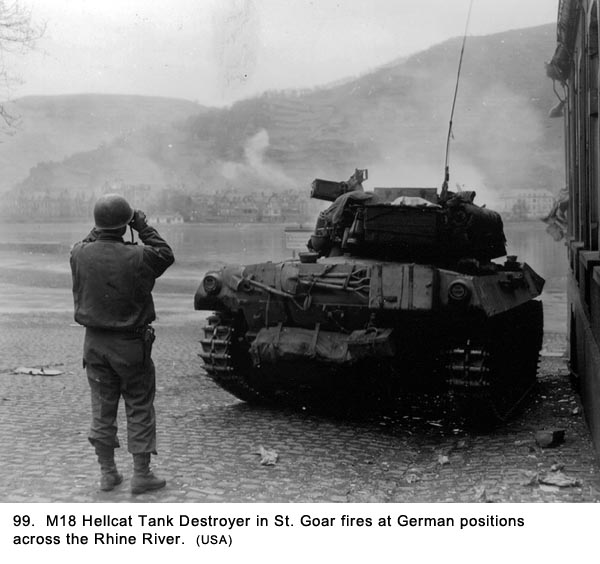
M18 Hellcat Tank Destroyer
_______________________
Arriving At New Location
The convoy took us northwest. When it got dark, we began to stake out places on the truck to bed down. We finally reached our destination at about 0200 hours on the morning of March 24th. We pulled off the road and were guided to a parking place. As usual, we wondered where we were but knew better than to ask. It was pitch black. The only thing we could see was several men with flashlights moving about on the ground. Once the truck engines stopped we could hear voices coming from several directions, but we did not know what was going on. We had expected to unload, but when nobody showed up to tell us to, we crawled back to our makeshift bunks on the truck and tried to sleep. The voices continued throughout the night, and someone in authority was yelling out commands for hours.
It had been raining since we left Alzey, and it was still raining when we awoke at dawn. As we looked out the back of our truck, the overcast sky gave a very depressing look to the landscape. We disconnected the 40mm drawbar from the truck, took the pins out of the tailgate, and dropped it to the down position. This gave us a stirrup-like step on each side of the truck about halfway to the ground that made it easier to dismount. Standing on the soggy ground, we went through some stretching exercises to limber up. Although sleeping on the truck kept us dry, the cramped quarters made our muscles stiff, and we needed to move about to loosen up

A Lot of What We Think We Know About World War II Is Wrong


New book challenges conventional wisdom

A Lot of What We Think We Know About World War II Is Wrong
The Second World War remains an enduringly fascinating subject, but despite the large number of films, documentaries, books and even comics on the subject, our understanding of this catastrophic conflict, even seven decades on, remains heavily dependent on conventional wisdom, propaganda and an interpretation skewed by the information available. In my new book The War in the West: Germany Ascendant 1939-1941, first in a three-volume history, I am challenging a number of long-held assumptions about the war, many of which are based on truth by common knowledge, rather than through detailed and painstaking research.

Παρασκευή 11 Μαρτίου 2016

10 surprising things you should know about the Mongol soldier


Incredible_Facts_Mongol_Warrior
It is no secret that the Mongols at one time controlled the largest continuous land-based empire in history. But beyond what may seem as extraordinary and even ‘barbaric’, there was more to these nomads in terms of sheer organization and evolved tactics. So, without further ado, let us take a gander at ten tremendous facts about the Mongol soldier that made him unique when it came to the contemporary military affairs.

German U-Boat Found After Being Gone for Over a Century


Scans that were recently done by wind farm developers have shown something unexpected. The scans showed a submarine that was lying below the surface of the North Sea, about 55 miles east of Caister-on-Sea.
The scans revealed that it was a German U-Boat that had sunk in January of 1915. The name of the U-Boat was U-31; it had struck a mine in the North Sea and sank, taking 35 men with it. Up until now, its whereabouts were unknown.
Since this wreck is considered a military maritime grave, it will remain there untouched and unsalvaged. There are no plans for excavating the submarine.

Artist's impression of what U-31 might have looked like. Image copyright:Military History
Artist’s impression of what U-31 might have looked like. Image copyright:Military History
U-31 was actually the first of 11 subs in this class. They were commissioned by the Imperial German Navy between the years of 1912 and 1915.
The U-Boats were numbered 31 to 41. Three of them had surrendered during the war and eight of them sank. Up until now, the whereabouts of the U-Boats that sank were unknown. There are still seven of them out there somewhere.

Ελαιοτριβείο αρχαϊκής περιόδου στο Λασίθι


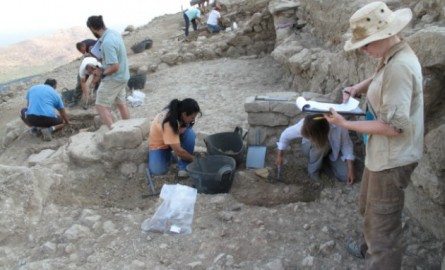
Το σπουδαιότερο ελαιοτριβείο και ελαιοπιεστήριο κατά την Αρχαϊκή περίοδο (7ος αιώνας π.Χ.) στο Αιγαίο, βρέθηκε στην αρχαία πόλη Αζοριάς του Νομού Λασιθίου, μαζί με σημαντικά δημόσια κτήρια συμποσίων και συσσιτίων, Πρυτανείο και Ανδρείο.
Μάλιστα ο επικεφαλής της αρχαιολογικής ανασκαφικής ομάδας, καθηγητής Κλασικής Αρχαιολογίας στο Τμήμα Κλασικών Σπουδών στο Πανεπιστήμιο της Βόρειας Καρολίνας των ΗΠΑ, Λευτέρης  Χατζόπουλος, πιστεύει πως η επεξεργασία και η χρήση του λαδιού στον Αζοριά είχε να κάνει με τη λειτουργία των νέων πολιτικών θεσμών καθώς και με την συγκρότηση  αριστοκρατικών ταυτοτήτων στην πόλη!
Παλιότεροι οικισμοί στην ίδια περιοχή με ιστορική συνέχεια λειτουργούσαν διάσπαρτοι από την πρώιμη εποχή του Χαλκού, δηλαδή τη Νεολιθική περίοδο σε ένα εξαιρετικά ευαίσθητο, στρατηγικό σημείο της Ανατολικής Κρήτης.

10 things you should know about Vikings and their warfare


10_Facts_Viking_Warfare
There is more to the fascinating scope of Viking warfare than just shooing away the misconception about their horned-helmets. So, without further ado, let us take a gander at ten things one should know about these fearsome Scandinavian raiders and their warfare – a potent historical ambit that dominated the northwestern swathes of Europe for over 200 years.

10 things you may not have known about the Greek Hoplites


10_Facts_Greek_Hoplites
The Greek word for military equipment roughly translates to hopla, and thus a hoplite simply pertained to the ancient version of the ‘man at arms’ or ‘armored man’. Of course, unlike their late medieval counterparts, the hoplites were first and foremost citizen-soldiers – and thus were expected to take part in battles to safeguard their own interests and farms, as opposed to viewing military as a well-paying career. And while the ‘classic’ well-armored and trained Greek soldier was ultimately eclipsed by the tactical Macedonian phalanx in late 4th century BC, Greek hoplites (and their predecessors) had dominated the European battlefields for almost three centuries before that. So without further ado, let us check out ten incredible facts you might not have known about the Greek hoplites.

1) ‘Tribes’ without blood relations –

10_Facts_Greek_Hoplites_1
The so-called ‘tribe’ in Greek city-states were rather a politico-military evolution, contrary to what ‘tribal’ warfare suggests. Simply put, the state probably organized its citizens and thus fighting men into tribes that had a purpose both census-wise and politically – as opposed to the conventional tribe that is primarily tied by blood relations. This arrangement possibly took roots by the 7th century as a more immediate solution for organized warfare and defense. In short, the tribe system (with ties of citizenry, not blood) was a natural evolution of the Greek society and military that required disciplined formations and trained men for protracted warfare, a factor that was rarely encountered (beyond literature) in the previous ‘heroic ages’. Such measures over time gave rise to the Greek hoplites, a class of warriors that was not really separate from the citizens themselves. In essence, a hoplite was a citizen-soldier who took up arms to defend or expand the realm of his city-state. And it should be noted that as a general rule, most adult males of the Greek city-states were expected to perform military service.

2) The oath of the ‘youths’ –

10_Facts_Greek_Hoplites_11
The road to ‘manhood’ for males of most Greek city-states started with military training after the passing of his 18th year (Spartans had a different military system, as discussed here). These adults gathered at one place after their birth records and census was cross-checked – a scenario which happened at the start of every year, which in most ancient Greek calendars was just after the passing of summer. And on clearing these official requirements, they were asked to dress in the full war panoply and then utter an oath. In case of Athens, the oath was taken in the Temple of Aglauros, and the (preserved) text is as follows –
I will not disgrace my sacred arms nor desert my comrade, wherever I am stationed. I will fight for things sacred and things profane. And both alone and with all to help me. I will transmit my fatherland not diminished but greater and better than before. I will obey the ruling magistrates who rule reasonably, and I will observe the established laws and whatever laws in the future may be reasonably established. If any person seek to overturn the laws, both alone and with all to help me, I will oppose him. I will honor the religion of my fathers. I call to witness the Gods Agraulus, Hestia, Enyo, Enyalius, Ares, Athena the Warrior, Zeus, Thallo, Auxo, Hegemone, Heracles, and the boundaries of my native land, the wheat, the barley, the vines, and the trees of the olive and the fig.
It is better known as the Ephebic Oath, while the young men themselves were called the epheboi (youths) after the ceremony. This marked the starting phase of the next two years of introductory military training known as ‘ephebate’, and it mostly entailed a slew of athletic contests. As for the oath in question, it was found in a preserved state on an engraved 4th century BC stele, inside the ancient Athenian deme (township) of Archarnae.

3) Hoplitodromos – the hoplite race ‘instigated’ by the Persians –

10_Facts_Greek_Hoplites_3
As we discussed in the previous entry, the ephebate training started with the practice of different athletic endeavors. One of these state organized activities entailed the so-called hoplitodromos – an ancient foot race probably making its debut at Olympia in 520 BC. Interestingly, the race event was introduced after the first Greek armies encountered the Persians who were known for their fast archery skills. So the hypothesis can be credibly drawn on how the race was developed and initiated as a fast-moving maneuver for training the Greek hoplites to ‘catch up’ to the Persian archers . To that end, the participants were required to run over a distance of 350-400 m (around 1,300 ft) that covered a single lap of the stadium (or two stades). But at times, the sprinting track was expanded, like at Nemea the distance was increased to 700-800 m, while at Plataea the distance was kept at a whopping 15 stades. This running passage possibly emulated the battlefield tactic of rushing through the enemy skirmishers to reach their actual lines.
Now while the distance in itself was substantial, it also should also be taken into account that the participants had to run in their partial Greek hoplite panoply, including the weighty helmets and greaves. Moreover, they also had to carry shields – which were probably ‘testing’ specimens specifically crafted for the hoplitodromos events. In other words, the shields used in the race might have been lighter counterparts to the actual aspis, the heavier wooden shield (reinforced with a thin sheet of bronze) originally carried in battles.

4) ‘Buddies’ and ‘lovers’ –

10_Facts_Greek_Hoplites_4
In buddy cop movies, the trope usually involves the pairing of a young, ‘green’ but dynamic candidate with the older, wiser and grizzled police veteran. And it seems even the ancient Greeks were quite fond of a similar social set-up where the epheboi (youth) was paired with an older man who still trained in the gymnasia. Now in a conventional scenario, the older male was expected to act as the younger trainee’s guardian, and thus was responsible for the youth’s conduct, courage and even military training during the ephebate period.
However, Greek sources frequently denote such pairs as ‘lovers’ – which is not meant to be taken literally in a sexual sense. In fact, Xenophon makes it clear on how purely physical relationships between males could be officially banned from the state. But that didn’t necessarily stop a few pairs from carrying on their elicit relationships. Some contemporary comedies tended to exaggerate such scenarios of homosexual activities inside the gymnasia. Xenophon also attests to the ‘carnal’ love between young men being prevalent in places like Thebes and Elis.

5) The ‘best’ belonged to the front and the rear of a hoplite phalanx –

10_Facts_Greek_Hoplites_5
Gone were the days of the euphemistic ‘heroic age’, when men fought in chaotic huddles and chosen warriors picked at one another. The Greek hoplites were part of an ‘institution’ who fought in a phalanx formation where every member looked out for each other – and thus the aspis shield was considered as the most crucial part of a hoplite equipment. For example, when the exiled Spartan king Demaratos was asked the question – why men are dishonored only when they lose their shields but not when they lose their cuirasses? The Spartan king made his case – ‘because the latter [other armors] they put on for their own protection, but the shield for the common good of the whole line.’
Interestingly, Xenophon also talks about the more tactical side to a hoplite phalanx, which was more than just a closely-packed mass of armored spearmen. He draws comparison to the construction of a well-built house (in Memorabilia) – “just as stones, bricks, timber and tiles flung together anyhow are useless, whereas when the materials that neither rot nor decay, that is, the stones and tiles, are placed at the bottom and the top, and the bricks and timber are put together in the middle, as in building, the result is something of great value, a house, in fact.” Similarly, in the case of a phalanx of Greek hoplites, the historian talks about how the best men should be placed both in front and rear of the ranks. With this ‘modified’ formation, the men in the middle (with presumably lesser morale or physical prowess) would be inspired by the front-placed men while also being driven forth by the rear-placed men.

6) Classical hoplites probably favored mobility over armor –

10_Facts_Greek_Hoplites_6
When we talk about Classical Greek hoplites, we mean the armored citizen-soldiers who dominated the Greek military world from early 5th century BC to late 4th century BC (before the advent of Alexander the Great). Now intriguingly enough, while popular depictions allude to superbly heavy and imposing ‘bronzed’ round-shields being carried by the Greek hoplites, the aspis was not necessarily meant to be ‘excessive’ in its structure. In fact, the ‘classic’ hoplite shield weighed around 13.5 lbs, which was just a bit heavier than the reformed Roman scutum that weighed 12 lbs. Even its ‘bronzed’ part pertained to just a thin bronze ring (less than half-millimeter in thickness) that draped the wooden shield on the outer face. As for the wood itself, lightweight varieties like poplar and willow were used in composite layers (much like modern day plywood).
In essence, the aspis was rather tailored to mobility as opposed to a heavy protection equipment. Simply put, the hoplite shield acted as a practical deterrent to spear and sword thrusts that must have been common in melee combat scenarios. But it was not exactly the best solution for projectiles that had greater kinetic energy, like javelins and arrows. Pottery scenes conform to the latter mentioned shortcoming of aspis by depicting various pierced shields.

7) The famed helmet crests were just for show and pomp –

10_Facts_Greek_Hoplites_7
Horsehair crests upon helmets have long been the favorite of history reenactment groups and (even it seems) in the actual ancient armies. Ubiquitously dyed in bright and gaudy colors, they unsurprisingly didn’t serve any practical purpose; though such ‘decorations’ might have had some psychological value – with the flourishing crest endowing a more imposing air to the wearer while also making him appear taller. And by the latter Classical period, the type of crest also related to the rank of the hoplite. For example, Lamachus, the Athenian general who took part in the Peloponnesian War, embellished his helmet with three crests and two plumes (as mentioned by Nicholas Sekunda in the Greek Hoplite).
Interestingly, the famed Spartan crimson cloaks were also adopted primarily because of their visual predominance. Plutarch mentioned how the red-hued clothing might have psychologically afflicted the enemy while also hiding the Spartan’s blood wounds. This explanation might have some justification, since most Greek armies contemporary to even Xenophon’s time (the first half of 4th century BC) adopted some variants of the crimson clothing, probably inspired by their Spartan counterparts. And lastly, there was/is the association of vibrant colors to regal means and swagger.

8) Physical infirmity was possibly (mostly) overlooked in case of Spartan hoplites –

10_Facts_Greek_Hoplites_8
While the movie 300 depicted how a physically deformed man named Ephialtes betrayed the Spartans since he was not allowed to serve in the hoplite phalanx, Herodotus’ account doesn’t take such a ‘fantastical’ route. In fact by historical accounts, even men with physical infirmities were liable to serve in the Spartan army, with the greatest example pertaining to Agesilaos (or Agesilaus II), the limping warrior-king of Sparta who oversaw numerous forays into Asia Minor while also playing a successful part in the Corinthian War. And while infant inspections possibly happened as portrayed in the aforementioned movie (at least in few instances), the handicapped adult Spartan probably expected himself to be enrolled in their fighting army. Plutarch gives us an account of a Spartan named Androkleidas who was crippled and thus turned down when he wanted to join the hoplite ranks. His retort was – ‘I do not have to be able to run away, but rather to stand and fight the foe.’

9) Wine before battle –

10_Facts_Greek_Hoplites_9
The ancient Greeks mostly took their meals during two particular times in a day, with ariston mostly equating to what is known as ‘brunch’ nowadays and deipnon equating to dinner – thus allowing most battles to take place in the afternoon period. During both these times, wine was consumed in moderate amounts. However, as Nicholas Sekunda mentions, the Greek hoplites had the tendency to consume extra alcohol or wine just before a battle, so as to calm their nerves. Even a few commanders partook in such ‘reveling’ before serious battlefield encounters. Xenophon mentions how Spartan king Kleombrotos I and his officers drank too much in their council before the disastrous Battle of Leuktra. On the other hand, it should also be noted that ariston was the crucial time when many commanders also ‘soberly’ planned out their moves that involved the formation and maneuvers of the collective host of his army.

10) Morale more important than strength in numbers –

10_Facts_Greek_Hoplites_10
Another popular depiction of ancient warfare frequently involves the pushing and shoving of the Greek hoplites when it clashed with the enemy. Now while such a scenario was probably the credible outcome of two tight phalanxes clashing with each other, in reality many battles didn’t even come to the scope of ‘physical contact’. In other words, a hoplite charge was often not successful because the citizen-soldiers tended to break their ranks (and disperse) even before starting a bold maneuver. As a result, the army that held its ground often emerged victorious – thus exemplifying how morale was far more important than sheer strength in numbers (which alludes to why the Spartans were considered lethal in a battlefield).
Intriguingly, this once again brings us to Xenophon’s ‘house analogy’, where he says the best men were to be placed in the front and rear of a phalanx. And from a practical perspective, while the front-placed men didn’t have any space to run away from the battlefield, it was the rear-placed men who tended to break away from the subsequent charge, thus ultimately resulting in their cumbersome dispersal. One of the solutions for this morale-based predicament was to make the phalanx deeper with more men, so as to psychologically reinforce (rather than physically support) the ones in the rear. Another deep-rooted tradition entailed the singing of encouraging hymns (paeans) dedicated to gods of war just before the hoplites were to begin their progress and charge. So, as with many Greek customs, there might have been a practical side underneath this seemingly religious veneer. Thucydides himself mentioned how the songs and their tunes kept the marching line in order, which encompassed a major battlefield tactic – since Greek warfare (and victory) generally involved closing in with the enemy with a solid, unbroken line.

Sources: MilitaryFactory / Livius / BBC / Koryvantes / LARP

1,800-year old map of Rome, originally boasting a massive 2,600 sq ft in area, gets back a missing piece


Massive_Rome_Map_Forma_Urbis_Missing_Piece_1
A 1,800 year old map of Rome is interesting enough as it is; but the scope is seriously impressive when it comes to the so-called Forma Urbis Romae. Also known as the Severan Marble Plan, this gargantuan map of Rome, originally made between the years 203-211 AD, measured a whopping 18.10 m x 13 m (or 60 ft x 43 ft). This incredibly expansive facade was carved into 150 marble slabs and then mounted across an entire wall inside Templum Pacis (Temple of Peace) in Rome. Furthermore preciseness complemented this massive ambit, with the 1:260 scale map representing almost all the floor plans of temples, baths, and insulae (proto-apartments) situated in the central section of the ‘eternal city’. These were accompanied by etchings of the street names, public building landmarks and private residences – with intricate details like columns and staircases even being represented in some cases. In essence, as Stanford University said – “the Severan Marble Plan is a key resource for the study of ancient Rome”

Το παραμύθι της “Ενωμένης” Ευρώπης θρυμματίζεται


Η σκυταλοδρομία του κυνισμού συνεχίζεται με τον Τουσκ να ευχαριστεί αυτούς που εγκλώβισαν τους πρόσφυγες στη χώρα μας
Όταν πηγαίνεις στη Σύνοδο Κορυφής με πρώτο αίτημα να καταστεί σαφές ότι “μονομερείς ενέργειες δεν είναι επιτρεπτές και ότι όσοι τις επιλέγουν θα έχουν τις ανάλογες συνέπειες” και μετά από την 15ωρη συνεδρίαση δεν υπάρχουν όχι “συνέπειες” αλλά ούτε μια στοιχειωδώς αποδοκιμαστική δήλωση τέτοιων συμπεριφορών, υπάρχει πρόβλημα.
AdTech Ad
Το πρόβλημα γίνεται μεγαλύτερο όταν ο πρόεδρος του Ευρωπαϊκού Συμβουλίου κάνοντας… πενηνταράκια την απόφαση της Συνόδου ανακοινώνει πως «Οι παράνομες ροές μεταναστών στην οδό των Δυτικών Βαλκανίων έφτασαν στο τέλος τους. Ούτε κουβέντα για μονομερείς ενέργειες, αλλά κοινή δράση των 28 κρατών της ΕΕ».

«Κάνε πέρα φασίστα, υπάνθρωπε»…


Η Χρυσή Αυγή (με σχέδιο νόμου) προτείνει φυλακές καταναγκαστικής εργασίας, για πρόσφυγες και μετανάστες
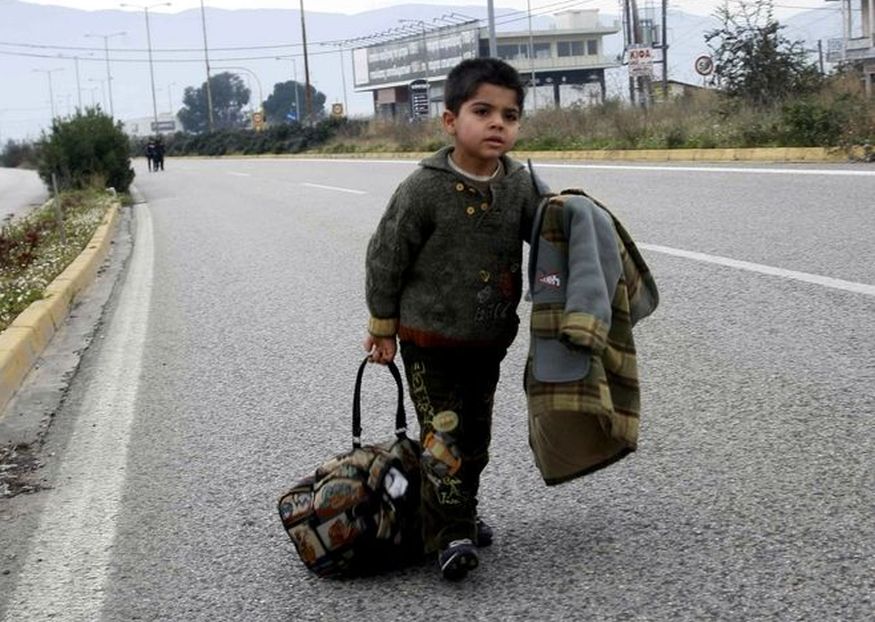
Φασίστα, θα έβαζες και τον μικρό της φωτογραφίας στις φυλακές καταναγκαστικής εργασίας που φαντασιώνεσαι; Μόνο και μόνο το βλέμμα του μπορεί να σε τσακίσει. Ξέρει καλά τους εχθρούς του. Έχει περάσει ένα ταξίδι ελπίδας και απελπισίας και συνεχίζει. Εσένα θα φοβηθεί; Τον βλέπεις στη φωτογραφία; Στο λέει ξεκάθαρα: «Κάνε πέρα φασίστα, υπάνθρωπε. Έχω δρόμο μπροστά μου».
Η Χρυσή Αυγή θα καταθέσει ένα σχέδιο νόμου, που «θα λύσει σε μία μόνο ημέρα το λαθρομεταναστευτικό», όπως γράφει στην επίσημη ιστοσελίδα της. Εκεί, εξηγούνται αναλυτικά οι φαντασιώσεις των φασιστών: Προτείνουν να μετατρέπεται σε «ιδιώνυμο αδίκημα» η «παράνομη διέλευση των ελληνικών συνόρων από πολίτες ξένων χωρών». Συγκεκριμένα, το σχέδιο νόμου θα «προβλέπει την άμεση σύλληψη των λαθρομεταναστών την στιγμή που εισέρχονται παράνομα στην ελληνική επικράτεια και την επιβολή αυστηρών ποινών χωρίς αναστολή».

Η θέση της γυναίκας κατά την Αγία Γραφή και την Παράδοση της Εκκλησίας


16
Η 25η Νοεμβρίου, ημέρα της μνήμης της Αγίας Αικατερίνης, έχει οριστεί από τον ΟΗΕ ως ημέρα για την εξάλειψη της βίας κατά των γυναικών. Η ανάγκη να τονιστεί η αξία της γυναίκας είναι πολύ επίκαιρη, ιδιαιτέρως μετά την επικράτηση σε κάποιες χώρες φονταμενταλιστικών ιδεολογιών, που στρέφονται κατά της γυναικείας αξιοπρέπειας και επιβάλλουν την υποτίμηση της γυναικείας φύσης. Αντίθετα η Εκκλησία τονίζει την ισοτιμία των δύο φύλων και εξοβελίζει κάθε διχασμό ανάμεσα στους άνδρες και τις γυναίκες.
Από την αρχική διήγηση της Γένεσεως μαθαίνουμε ότι ο Θεός «ἐποίησεν τόν ἄνθρωπον, κατ’ εἰκόνα θεοῦ ἐποίησεν αὐτόν, ἄρσεν καί θῆλυ ἐποίησεν αὐτούς» (Γεν. 1, 27). Η διήγηση αυτή τεκμηριώνει την ισοτιμία των φύλων, αφού αυτά συμμετέχουν στην ίδια δημιουργία αλλά και είναι προικισμένα με τα ίδια ακριβώς χαρίσματα από τον Θεό και έχουν τον ίδιο προορισμό, το «καθ’ ὁμοίωσιν». «Καί εὐλόγησεν αὐτούς λέγων, αὐξάνεσθε καί πληθύνεσθε καί πληρώσατε τήν γῆν καί κατακυριεύσατε αῦτῆς καί ἄρχετε … πάντων τῶν κτηνῶν καί πάσης τῆς γῆς…» (Γεν. 1, 28).

Obama Is No George H. W. Bush

The contrast with the 41st president could not be greater.

America's 6th Generation Fighter: The F-22 Raptor Rises from the Ashes?

F-22 Raptor
The Pentagon erred in prematurely terminating the stealthy Lockheed Martin F-22 Raptor air superiority fighter program—having miscalculated how quickly the Russians and Chinese would develop new aircraft. While the Raptor is not likely to brought back into production, the Air Force and Navy have started work on a next generation air superiority capability.
The basic problem stems from a mistake that was made in the aftermath of the Cold War. During the 1990s and the early 2000s—with the Soviet threat evaporating—the Defense Department did not anticipate facing off against a near-peer threat in the foreseeable future. That assessment was wrong—as Russian and Chinese developments have shown.

DRONES:POTENTIAL USE IN USA AND ABROAD (Μικρή συλλογή άρθρων)

A)Pentagon admits it has deployed military spy drones over US
A drone sits on the tarmac at Beale Air Force Base, Calif., in May 2012.
 By Gregg Zoroya
USA Today (Tribune News Service)
  The Pentagon has deployed drones to spy over U.S. territory for non-military missions over the past decade, but the flights have been rare and lawful, according to a new report.
The report by a Pentagon inspector general, made public under a Freedom of Information Act request, said spy drones on non-military missions have occurred fewer than 20 times between 2006 and 2015 and always in compliance with existing law.

Η ΡΩΣΙΚΗ ΑΡΚΟΥΔΑ ΔΕΙΧΝΕΙ ΤΑ ΝΥΧΙΑ ΤΗΣ :ΥΠΟΒΡΥΧΙΑ ΣΤΗΝ ΑΡΚΤΙΚΗ, ΑΕΡΠΟΠΛΑΝΑ ΣΤΗΝ ΙΝΔΟΝΗΣΙΑ (Μικρή συλλογή άρθρων)

Α)Russian Boomers Set to Conduct Largest Live-Fire Drill in 25 Years

Printer-friendly version
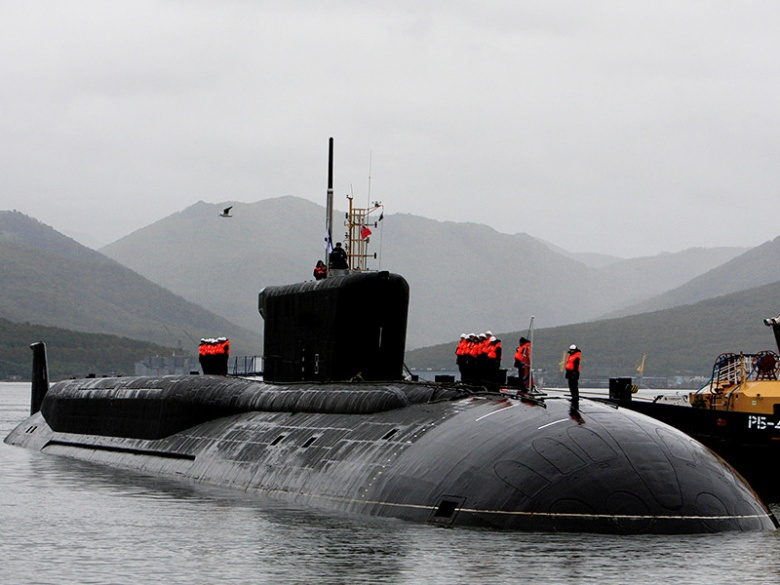
The Russian Navy is set to conduct a massive live-fire nuclear exercise on a scale not seen since before the collapse of the Soviet Union.
Two new 24,000-ton Project 955 Borei-class ballistic missile submarines are participating in the exercise. Of the two Northern Fleet boats participating—Yury Dolgoruky and Vladimir Monomakh—one will sequentially launch its entire payload of sixteen RSM-56 Bulava missiles in a drill that replicates the Soviet-era Begemot II exercise which took place in August 1991—reports the Russian media outlet Izvestia. It’s not clear which of the two boomers will conduct the test.

ΚΡΙΣΗ ΣΤΗΝ ΚΟΡΕΑ (;):ΒΟΜΒΑΡΔΙΣΤΙΚΑ ΤΩΝ ΗΠΑ ΚΑΙ ΠΥΡΑΥΛΟΙ ΤΗΣ Β. ΚΟΡΕΑΣ (Μικρή συλλογή άρθρων)

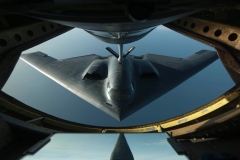
Α)US sends 3 nuclear stealth bombers to Pacific
B-2 BOMBER
WASHINGTON — The United States has deployed three B-2 Spirit nuclear stealth bombers to support U.S. PacificCommand, U.S. Strategic Command announced Wednesday.
The aircraft are the United States’ most advanced bomber and part of its nuclear deterrent defenses.
It is not the first time that the United States deployed the B-2 bombers to the Pacific Command. Last fall, the U.S. Air Force deployed three B-2s to Guam. In March 2013, the U.S. sent two B-2s to conduct a flyover near Seoul, South Korea. All three bomber deployments followed North Korean missile tests.
In recent weeks, U.S. and South Korean officials have publicly discussed providing additional strategic defenses for South Korea, including deploying the Terminal High Altitude Area Defense missile defense system. The officials announced they were discussing its deployment in response to long-range missile launches in early February by North Korea.

Ο Stratioti Νικόλαος Μώζερας


nasa-yiangos
Προλογίζει ο Γεώργιος Ε. Γεωργάς
Η έρευνα μας πάνω στην οπλομαχία των Βυζαντινών και Μεταβυζαντινών συνεχίζεται και έρχονται στην επιφάνεια στοιχεία που συνεχώς αποδεικνύουν το πώς επηρεάστηκε η οπλομαχία των Ιταλών από τους συνεχιστές των Βυζαντινών πολεμιστών. Των Stratitoti. Υπάρχουν οικογένειες που για χρόνια υπηρετούσαν το στρατό της Βενετίας με διαδοχή που πήγαινε από πατέρα σε γιό ενώ πολλοί γινόντουσαν και ιππότες όπως έχομε πει σε παλαιότερα άρθρα μας. Διαβάστε τη ζωή του Νικόλαου Μωζερά τρομερού πολεμιστή και ξιφομάχου που ακόμα και σκλάβος κατάφερε να διασωθεί στη Ναυμαχία της Ναυπάκτου.
Tης Νάσα Παταπίου από ‘Παράθυρο’
Ο Νικόλαος Μώζερας, με καταγωγή από την Πελοπόννησο, υπήρξε ένας από τους υπερασπιστές της Λευκωσίας το 1570 και σε ένα αίτημά του προς τη βενετική Γερουσία καταγράφει τη δράση του κατά τη διάρκεια του πολέμου της Κύπρου.
Στις 12 Μαρτίου του 1575, η βενετική Γερουσία μετά από σύσκεψή της είχε εξετάσει και πήρε αποφάσεις για διάφορα αιτήματα κάποιων υπηκόων της. Μεταξύ αυτών των αιτημάτων είχε εξεταστεί και ένα αίτημα το οποίο είχε υποβληθεί από έναν υπερασπιστή της Λευκωσίας το 1570, κατά τη διάρκεια της πολιορκίας της από τους Οθωμανούς. Επρόκειτο για τον stradioto Νικόλαο Μώζερα με καταγωγή από την Πελοπόννησο. Το περιεχόμενο του αιτήματός του ξεδιπλώνει τη δική του ιστορία, αλλά και αυτή της οικογένειάς του.
Ο Νικόλαος Μώζερας καταγόταν από μια μεγάλη οικογένεια Ελληνοαλβανών που υπηρετούσαν γενεές γενεών στα βενετικά στρατιωτικά σώματα του ελαφρού ιππικού, γι’ αυτό και ο ίδιος σημειώνει στο αίτημά του ότι ακολούθησε το παράδειγμα των προγόνων του και εντάχθηκε σ’ αυτά. Ήταν γιος του αείμνηστου Γκιώνη Μώσερα από το Ναύπλιο (Napoli di Romania) και είχε εγκατασταθεί στην Κύπρο μαζί με τους αδελφούς του για να υπηρετήσει στο ελαφρύ ιππικό. Δεν γνωρίζουμε πότε ακριβώς είχε εγκατασταθεί στην Κύπρο, γιατί ο ίδιος δεν μνημονεύει κάτι σχετικό στο αίτημά του, αλλά φαίνεται να είχε έρθει αρκετά πριν γιατί στη μεγαλόνησο είχε ήδη και δική του οικογένεια. Ο Νικόλαος εντάχθηκε στον λόχο του ιππότη Παλαιολόγου και υπερασπίστηκε τη Λευκωσία. Ο αδελφός του Μαρτίνος υπηρέτησε στον λόχο του διοικητή Ανδρέα Ροντάκη και ο αδελφός του Κόντος στον λόχο του Κόντου Ροντάκη και υπερασπίστηκαν και οι δύο την Αμμόχωστο κατά τη διάρκεια της πολιορκίας της από τους Οθωμανούς.
Στα Λεύκαρα και στο Δάλι
Ο Νικόλαος Μώζερας καταγράφει στο αίτημά του τη δράση του κατά τη διάρκεια του πολέμου της Κύπρου και στη συνέχεια μετά την αιχμαλωσία του τις περιπέτειές του. Όταν είχε αφιχθεί στην Κύπρο η οθωμανική αρμάδα, ο Νικόλαος Μώζερας από τις Αλυκές μετέβη πρώτα στην Αμμόχωστο και μετά στη Λευκωσία, επιφορτισμένος να μεταφέρει επίσημες επιστολές από τη διοίκηση της Αμμοχώστου στη διοίκηση της πρωτεύουσας. Όταν οι Οθωμανοί αποβιβάστηκαν στις Αλυκές της Λάρνακας και άρχισαν να λεηλατούν και να προκαλούν καταστροφές έως τα Λεύκαρα και στα γύρω χωριά, ο Νικόλαος Μώζερας έλαβε μέρος στις επιθέσεις που πραγματοποίησαν εναντίον των εχθρών οι Βενετοί με το ελαφρύ ιππικό. Στη συνέχεια, οι κάτοικοι των Λευκάρων αναγκάστηκαν να δηλώσουν υποταγή στον εχθρό για να αποτρέψουν περαιτέρω καταστροφή του χωριού και των κατοίκων του. Οι Βενετοί, πανικόβλητοι μήπως και άλλα χωριά αλλά και οι Κύπριοι χωρικοί που είχαν συγκεντρωθεί στα βουνά του Τροόδους δηλώσουν υποταγή στον εχθρό και δεν αντισταθούν, έδωσαν εντολή να φονευθούν όλοι οι ενήλικες αρσενικού γένους Λευκαρίτες και να πυρποληθεί το χωριό. Ανάμεσα στα μέλη του ελαφρού ιππικού που είχαν μετά από εντολή αναλάβει να τιμωρήσουν τους Λευκαρίτες και να καταστρέψουν το χωριό τους ήταν και ο Νικόλαος Μώζερας.
Ο Ναυπλιώτης ιππέας έλαβε μέρος και σε μια επίθεση εναντίον των εχθρών που είχε γίνει στο Δάλι. Μια ομάδα έφιππων Οθωμανών, στην προσπάθειά της να ανιχνεύσει τον χώρο προχωρώντας προς τη Λευκωσία, όταν έφθασε στο Δάλι δέχθηκε επίθεση από έναν λόχο του ελαφρού ιππικού και έπαθε πραγματική πανωλεθρία. Πάρα πολλοί από αυτούς φονεύθηκαν και αρκετοί αιχμαλωτίστηκαν και μεταφέρθηκαν στη Λευκωσία μαζί με τα κεφάλια των σκοτωμένων. Αλλά και όταν αργότερα οι Οθωμανοί στρατοπέδευσαν έξω από τη Λευκωσία και έστησαν το πυροβολικό και άρχισαν να την πολιορκούν, ο Νικόλαος Μώζερας μαζί με άλλα μέλη του ελαφρού ιππικού έβγαιναν τις νύχτες έξω από τα τείχη και προκαλούσαν δολιοφθορές στο οθωμανικό στρατόπεδο. Θέση από την οποία υπερασπιζόταν την πόλη, όπως ο ίδιος αναφέρει στο αίτημά του, ήταν ο προμαχώνας Ποδοκάθαρο, τον οποίο αποκαλεί προμαχώνα του Λίβιου Ποδοκάθαρου, εφόσον αυτός είχε καταβάλει δέκα χιλιάδες δουκάτα για την οικοδόμησή του. Σύμφωνα με τις αφηγήσεις αυτόπτων μαρτύρων της πολιορκίας και άλωσης της Λευκωσίας, ο προμαχώνας Ποδοκάθαρο είχε δεχθεί τις πιο ανελέητες επιθέσεις από τους εχθρούς. Από τον ίδιο προμαχώνα κατόρθωσαν και εισχώρησαν οι εχθροί μέσα στην πόλη και την κυρίευσαν.
Αιχμάλωτος κωπηλάτης
Στις 9 Σεπτεμβρίου 1570, όταν οι Οθωμανοί εισέβαλαν στη Λευκωσία, ο Νικόλαος Μώζερας με τα όπλα στο χέρι υπερασπιζόταν τον προμαχώνα Ποδοκάθαρο, αλλά πληγώθηκε από ένα βέλος στο δεξί του χέρι και από ένα άλλο κτυπήθηκε στο δεξί του γόνατο, με αποτέλεσμα να συλληφθεί αιχμάλωτος. Με την άλωση της Λευκωσίας αιχμαλωτίστηκε επίσης και η σύζυγος του Μώζερα και οι τρεις μικροί του γιοι. Μετά την αιχμαλωσία του, οδηγήθηκε με αλυσίδες στα πόδια ως κωπηλάτης στις οθωμανικές γαλέρες. Την ανελέητη ζωή ως κωπηλάτης τη βίωσε περισσότερο από έναν χρόνο έως την ημέρα της λαμπρής νίκης των χριστιανικών δυνάμεων της Ιερής Συμμαχίας (Sacra Liga), στη Ναυμαχία της Ναυπάκτου, στις 7 Οκτωβρίου 1571.
Κατά τη Ναυμαχία της Ναυπάκτου, μαζί με τον οθωμανικό στόλο βρίσκονταν και πολλοί κωπηλάτες δεμένοι με αλυσίδες στις γαλέρες, που είχαν συλληφθεί αιχμάλωτοι στην Κύπρο, όταν έπεσε η Λευκωσία και αργότερα η Αμμόχωστος, και μεταξύ αυτών ήταν και ο Νικόλαος Μώζερας. Όταν οι σύμμαχοι τον απελευθέρωσαν λύνοντας τις αλυσίδες από τα πόδια του, πήρε τα σπαθιά απο τους νεκρούς και άρχισε να κτυπά τους εχθρούς κατορθώνοντας να φονεύσει δύο και απελευθερώνοντας άλλους δεκατέσσερις Κύπριους κωπηλάτες, οι οποίοι σίγουρα θα φονεύονταν από τον εχθρό.
Στη Ζάρα και στο Κάτταρο
Μετά τη θριαμβευτική νίκη στη Ναυμαχία της Ναυπάκτου, ο Νικόλαος Μώζερας ακολούθησε τον βενετικό στόλο. Επί της γαλέρας του ίδιου του θριαμβευτή της Ναυμαχίας της Ναυπάκτου και μετέπειτα δόγη Sebastian Venier έφθασε στη Ζάρα. Εκεί πολέμησε κάτω από τη σημαία του διοικητή Battista και σε μάχη που είχε διεξαχθεί κατά των Οθωμανών πληγώθηκε με αρκεβούζιο στο δεξιό ισχίο. Αργότερα υπό τις διαταγές του συνταγματάρχη Martello έλαβε μέρος στο Κάτταρο σε επιθέσεις κατά των Οθωμανών.
Τέλος, ο Νικόλαος Μώζερας αναφέρεται στο αίτημά του και στους δύο αδελφούς του, Κόντο και Μαρτίνο, που είχαν υπερασπιστεί την Αμμόχωστο. Με την παράδοση της πόλης στον εχθρό αιχμαλωτίστηκαν και οι δύο και μαζί τους σύρθηκαν στην αιχμαλωσία η μητέρα του, οι αδελφές του και άλλοι συγγενείς του. Έχασε, όπως σημειώνει, ό,τι είχε, την οικογένειά του, την περιουσία του και την πατρίδα του και δεν είχε πού να απευθυνθεί και να ζητήσει βοήθεια εκτός από τη Δημοκρατία της Βενετίας, την οποία υπηρέτησε πιστά τόσο αυτός όσο και ολόκληρη η οικογένειά του και οι πρόγονοί του. Ζητούσε να διοριστεί σ’ έναν λόχο του ελαφρού ιππικού στη βενετική επικράτεια ώστε να έχει έναν μισθό να ζήσει αξιοπρεπώς ύστερα από όσα υπέφερε και βίωσε. Εκλιπαρούσε επίσης ώσπου να ληφθεί η απόφαση για διορισμό του, να του παραχωρηθεί ένα ελάχιστο ποσό χρημάτων για επιβίωση. Στις 12 Μαρτίου 1575, η βενετική Γερουσία με απόφασή της διόριζε τον Νικόλαο Μώζερα να υπηρετήσει στην Κεφαλλονιά, στο εκεί σώμα του ελαφρού ιππικού.

Η ΡΩΣΙΚΗ ΕΚΣΤΡΑΤΕΙΑ ΣΤΗΝ ΣΥΡΙΑ -61:ΕΠΙΤΥΧΙΕΣ ΤΩΝ ΗΠΑ ΚΑΙΠΡΟΒΛΗΜΑΤΑ ΤΟΥ ΙΚ Μικρή συλλογή άρθρων)

WASHINGTON, D.C.-- CBS News learned Wednesday that U.S. Special Operation forces in northern Iraq have captured an ISIS commander who was developing chemical weapons. Among them -- mustard gas -- first used by Germany in World War I.
Mustard gas is not lethal in most cases, but can cause severe burns to the eyes, skin and lungs. And so it is banned by the civilized world.

With His Navigator Ejected Halfway Out His Plane, This Is What This Pilot Did To Save Him


A-6
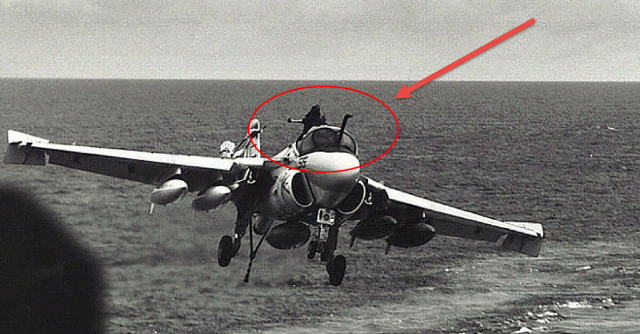
Being launched off the flight deck of an aircraft carrier is a normal routine, but adrenaline junkie pilots love the radical feel of about 4 G’s. On July 9, 1991, an A-6 Intruder modified to be a refueling aircraft was shot of the Abraham Lincoln in the Persian Gulf. Lieutenant Mark Baden was the pilot and had his friend and navigator (BN), Lieutenant Keith Gallagher beside him. It was Gallagher’s birthday, and he advised Baden when they returned it would be his 100th trap recovery on an aircraft carrier.
A midair collision had occurred a few days earlier, and Baden was slightly nervous. On top of all the other odd circumstances, he was actually assigned the plane with his name emblazoned on the side. (Unlike in the movies, the pilots don’t always fly the plane with their name.) He made all the normal checks and touched all the buttons and switches. Satisfied he was ready for anything, the aircraft was blasted off the end of the carrier to accomplish the mission: to refuel other aircraft in the sky.
The refueling version of the A-6 was a KA-6D and was modified by removing radar and bomb equipment to install an internal refueling gear. Some attack capability including a visual bombing ability was retained, but the overall design was to provide fuel in the air. This plane served the US Navy extensively from 1963 to 1997.

Sad! Harrier Jump Jet Graveyard


Harrier
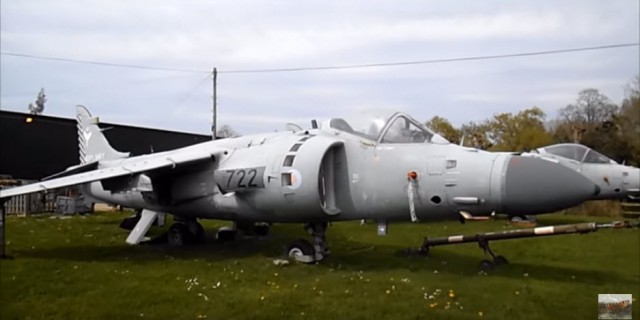
Our chums from Abandoned UK visited this amazing Harrier Jump Jet graveyard located somewhere in the United Kingdom.
The Harrier, informally referred to as the Harrier Jump Jet, is a family of jet fighters capable of vertical/short takeoff and landing (V/STOL) operations. Originally developed by UK manufacturer Hawker Siddeley in the 1960s, the Harrier emerged as the only truly successful V/STOL design of the many attempted during that era, despite being a subsonic aircraft, unlike most of its competitors.
It was conceived to operate from improvised bases, such as car parks or forest clearings, without requiring large and vulnerable air bases. Later, the design was adapted for use from aircraft carriers.

ΟΙ ΑΓΝΩΣΤΕΣ ΗΡΩΙΔΕΣ ΠΟΥ ΘΥΣΙΑΣΤΗΚΑΝ ΓΙΑ ΤΗΝ ΕΛΕΥΘΕΡΙΑ


lela-karagianni
Η 60χρονη μάνα  Λουκία Τοπάλη και  η  38χρονη  κόρη  της Σοφία  Τοπάλη κρεμασμένες  στο  ίδιο  δέντρο. Η 40χρονη  Καλλιόπη  Μαράτου – Χρήστου από το  Αργοστόλι δολοφονημένη στο  3ο χιλιόμετρο του  δρόμου από  Θεσσαλονίκη προς  το Κιλκίς. Η δεκαεξάχρονη  Άννα Θωμάκου – Παυλάκου πυροβολήθηκε απ’ τους  Ναζί και  έπεσε  σε  πηγάδι για  να  σωθεί και  να  εκτελεστεί λίγους μήνες  αργότερα στο  Χαϊδάρι. Η Μαργαρίτα  Δημοπούλου και  η  22χρονη Καίτη  Βαϊδου εκτελέστηκαν επίσης  στο  Χαϊδάρι. Η 18χρονη Ήβη  Αθανασιάδου δολοφονήθηκε  την  ώρα που  έγραφε  συνθήματα στους  τοίχους. Η 25χρονη Αλίκη  Χεμίκογλου έπεσε  χτυπημένη από  τα μανιασμένα  φλογοβόλα  των Γερμανών.