"In 941 the entire Arab tribe of Banu H'abid, discontented apparently with the (ruling) Hamdanids, emigrated from the region of Nisibis in Mesopotamia and came to settle in the Byzantine Empire. The new arrivals numbered 12,000 horsemen and brought with them, besides their families, their slaves, flocks and all their transportable goods. They were followed, in addition, by many of their neighbors. Once in Byzantine territory, they embraced Christianity, enrolled in the Byzantine army, and in return were given lands, animals, clothes and even some precious objects" -
The
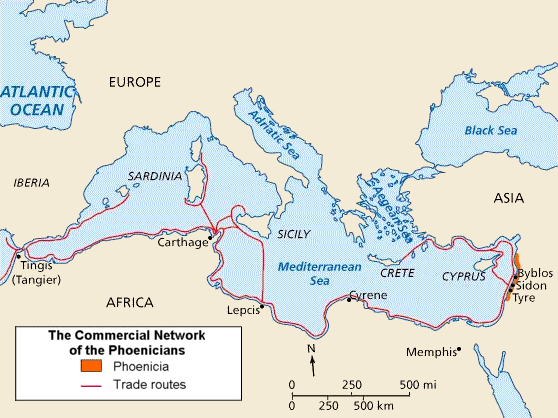
findings of a recent study backed by DNA evidence is shedding new light
on the genetic origins of perhaps the most celebrated civilization that
once thrived in the Middle East. The researchers have successfully
sequenced the first complete genome of 2500 years old remains of a young
man discovered in Carthage. The Sequencing revealed that the ancient
boy’s genome contains a rare European hunter gatherer genes; the finding
has the potential to trigger the rewrite of the migration pattern of
ancient Europeans into the North African region.
Location of Phoenicia.SourceResearchers
claim that the finding is significant as it could shed light on the
scope and tendency of ancient people’s movement across continents.
"The
celestial gift, which Achilles obtained, and Alexander envied, of a
poet worthy to celebrate the actions of heroes, has been enjoyed by
Stilicho in a much higher degree than might have been expected from the
declining state of genius, and of art." -Edward Gibbon, Decline and
Fall of the Roman Empire
Magister Militum Flavius Stilicho was the last great hero of the
Western Roman Empire. At a time when all of the noble Patrician fat cat
losers around him were busy being a bunch of obnoxious, lazy,
back-stabbing sycophants more obsessed with slaves, jewelry, and
top-shelf hair products, this old-school stoic honor-bound
barbarian-smiting warhammer of Imperial justice was out there proving
that even though she was dying and decaying from the inside, the blood
of Caesar, Scipio, Marius, and Agrippa still coursed through the veins
of Roman Empire. He rose from the rank-and-file of the Roman Legions to
serve on the Emperor’s bodyguard, marry the Emperor’s daughter, take
command of all Roman armed forces, and then defended the Eternal City
from barbarian invaders at the gates not once but twice despite being
underfunded, outnumbered, and having every single logistical problem in
the Ancient World kicking him in the balls every time he tried to take a
leak. In twenty years of military service to the Empire this dude
fought off unstoppable hordes of rampaging enemy soldiers with a handful
of legionnaires cobbled together at the last minute, and he defended
the realm without ever sacrificing his personal honor or his duty to the
Emperor. Nowadays he goes down in history as the last great warrior of
Rome, and his tragic death marks the end of the Western Empire as we
know it.
The
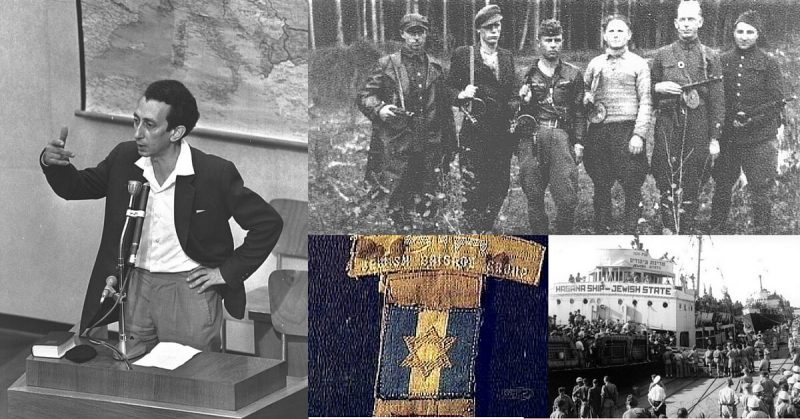
origins of Nakam, or Revenge in Hebrew, comes from the United Partisan
Organization that was based in the Vilna Ghetto, Lithuania, during WWII.
Established in January 1942, this was also the first clandestine resistance organization, in a Jewish ghetto in Nazi-occupied Europe.
Their
motto was: “We will not allow them to take us like sheep to the
slaughter”, which became the basis of their struggle against the
systematic elimination of the Jews in Lithuania and Europe. The leading
figure of the movement was a Jewish poet and writer, Abba Kovner. His
first lieutenants were Rozska Korczak and Vitka Kempner.
A section of the mosaic
showing an elephant discovered in 2013. This section is part of the
larger mosaic exposed in summer 2015.
Credit: Jim Haberman
Stunning mosaics have turned up during an archaeological dig of a fifth-century synagogue in northern Israel.
Tiny earth-hued stones in the mosaics swirl to form images of women
surrounded by cupids holding discs, mythological creatures, a rooster,
expressive theater masks and symbols of Dionysus (Bacchus), the
Greco-Roman god of wine. And painted ivy crawls up columns covered with
plaster. These recent discoveries add context and scenes to previously
uncovered mosaics and inscriptions on the same and adjacent panels.
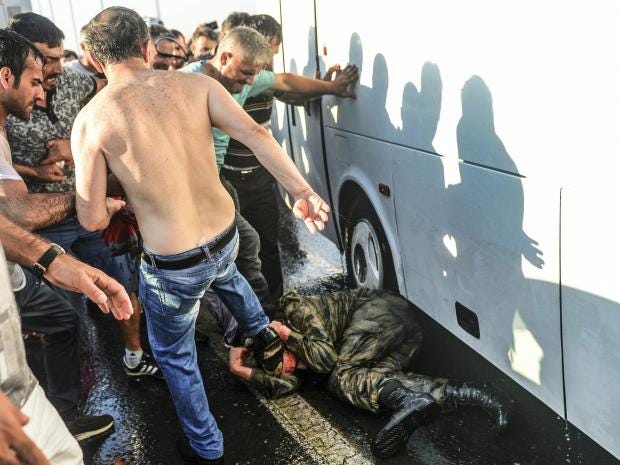
Tens of thousands of supporters of Turkey's ruling and main opposition parties rallied together in support of democracy
People kick and beat a Turkish soldier, who participated in the attempted coup, on Istanbul's Bosphorus Bridge AP
Human rights group Amnesty International says it has received credible evidence of detainees in Turkey being subjected to beatings and torture, including rape, since last week's failed coup attempt.
"It is absolutely imperative that the Turkish authorities halt these
abhorrent practices and allow international monitors to visit all these
detainees in the places they are being held," said Amnesty's Europe
director John Dalhuisen in a statement.
An experience from
the opposite end of Europe might influence Scotland's bid to remain in
the EU during the UK's Brexit negotiations.
Cyprus joined the EU
in 2004. Yet the island's breakaway, Turkish-controlled north is not
internationally recognised, and EU laws don't apply there.
The UK's sovereign military bases in Cyprus are also outside the EU and have a special status.
The
EU showed flexibility for Cyprus. It might do the same for Scotland and
Northern Ireland, where majorities voted Remain (62% and 55.8%,
respectively).
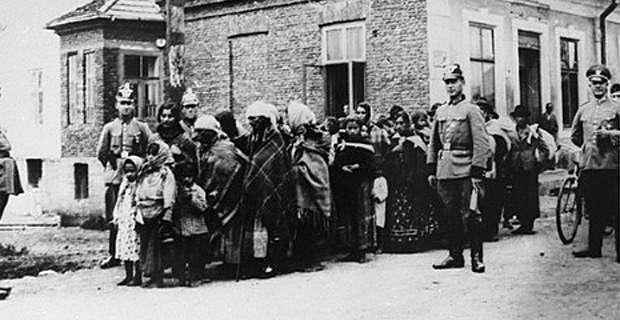
Από την Ελένη Καρασαββίδου Βερολίνο 1933. Η Νύχτα των Κρυστάλλων. Το ναζιστικό
καθεστώς προωθεί μια κοινωνική συνοχή στηριγμένη στο ναρκισσισμό του
«εθνικού εμείς», καθιστώντας την κοινωνία πρόθυμη να υπερασπιστεί με
κάθε τρόπο τη φυλετική της καθαρότητα. Τα πρόσωπα (και άρα οι πολίτες) κρύβονταν συχνά πίσω από την απρόσωπη άρεια συλλογική ψυχή,
επενδύοντας στα γυμνασμένα σώματα των μαχητών και στην αδρή
«καθαρότητα» του δημόσιου χώρου βασικές κοινωνικές και ψυχολογικές
προσδοκίες τους, αλλά και τις εξατομικευμένες ευθύνες τους. Στο καθεστώς αυτό συνοδεύουν λίγο λίγο τους Εβραίους στη
φρικιαστική πορεία του «αποδιοπομπαίου τράγου» οι αριστεροί, αρκετοί
φιλελεύθεροι, οι ομοφυλόφιλοι, τα άτομα με ειδικές ανάγκες και οι
Αθίγγανοι. Μια κοινωνία καθαρών που στο όνομα της καθαρότητας
βρωμίζει πιο πολύ από κάθε άλλη φορά, πετώντας «ακάθαρτους»(!) ανθρώπους
στα στρατόπεδα όπως τα άπλυτα ρούχα σε μια βιαστική επίσκεψη στο πίσω
μέρος της ντουλάπας.
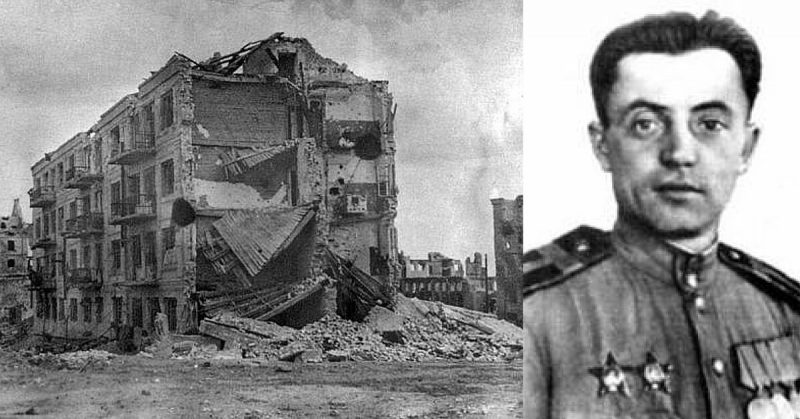
Left:
Pavlov's House. By Unknown - Russian State Military Archive, Public
Domain. Right: Yakov Pavlov, By Soviet military photographer - Public
Domain
The
Battle of Stalingrad might be one of the best-known battles of WWII.
The siege of the city that lasted from 23rd of August, 1942 to the 2nd
of February, 1943 saw several power shifts between confronted sides. The
Soviets declared it their definitive mission to withstand the Axis push
at Stalingrad ― the city that bore the name of their leader, Joseph
Stalin. Hitler saw the symbolic potential too and insisted on capturing
the city, no matter the cost. Street fights raged for months while
snipers scanned the devastated landscape in search of any sign of life.
Every house was a battleground. Apartment buildings were taken and lost
by storm, in a matter of hours, even minutes. Life lost all value on the
streets of Stalingrad as the Soviets believed in their superior numbers
and pushed forward, losing hundreds of thousands of soldiers. On the
strategic chessboard, those were the days when it was all or nothing.
Often viewed as the working class heroes of the Roman society,
the gladiators have surely seen their fair share of screen time in our
modern-day popular media. However, beyond grand spectacles and bloody
feats, the very nature of gladiatorial contests alluded to the ‘institutionalization of violence‘
ingrained in the Roman society since its tribal days. So, without
further ado, let us take a gander at twelve such incredible things you
should know about the Roman gladiators that go beyond the realm of
glitzy fiction to account for brutal reality.
Όσο και αν είναι επώδυνο για μένα, δυστυχώς ανήκω σε αυτήν τη γενιά.
Αναφέρομαι βεβαίως, βεβαίως στη γενιά ανθρώπων που έχουν γεννηθεί στην
Ελλάδα την περίοδο από 1998 και πάνω. Μια γενιά που μεγάλωσε με σύντροφο
την τεχνολογία. Μία γενιά που πήρε τελείως διαφορετικό δρόμο από την
προηγούμενη, μια πορεία που ίσως δεν είναι αναστρέψιμη. Τι συμβαίνει
λοιπόν με αυτή τη νέα γενιά;
Ποιος ή τι ευθύνεται τελικά για αυτήν την κατάληξη; Ευθύνεται η
υπερβολική «δόση» τεχνολογίας που έχουν λάβει τα σημερινά παιδιά, χωρίς
να γνωρίζουν πως να την χειρίζονται και να την αξιοποιούν ώστε να
αποκομίσουν τα οφέλη της; Ή μήπως ευθύνεται η στάση και η διαπαιδαγώγηση
των γονέων προς τα παιδιά; Γιατί σίγουρα δεν φταίει μόνο το διαδίκτυο
και το Facebook για αυτήν τη κατάσταση που επικρατεί σήμερα. Γιατί
πραγματικά είναι τρομακτική… Ας αρχίσουμε λοιπόν…
Σαν σήμερα έγινε η Μαχη στο Κεφαλόβρυσο Καρπενησίου – την νύχτα της
8ης Αυγούστου 1823 – κατά την οποία τραυματίζεται θανάσιμα ο Μάρκος
Μπότσαρης, ο οποίος απετελούσε σύμβολο ενότητας των αγωνιζομένων
Ελλήνων, και πεθαίνει την επόμενη μέρα. Τα τελευταία λόγια του ήταν«Αδέλφια,
εγώ έκαμα το χρέος μου και πεθαίνω ευχαριστημένος. Μείνετε πιστοί στην
Πατρίδα και πιστοί δούλοι του Θεού. Αφήστε με και τρεχάτε εκείνα που εγώ
άρχισα»
Οι Σαμιώτες φημίζονταν για τη ναυπηγική τους τέχνη. Σε κάθε
σαμιώτικο λιμανάκι, στο Πυθαγόρειο, το Κοκκάρι, το Καρλόβασι, στον όρμο
του Μαραθοκάμπου, στον Άγιο Ισίδωρο και σε διάφορα άλλα σημεία του
νησιού, υπήρχε και ένας ταρσανάς όπου ναυπηγούνταν τρεχαντήρια, βάρκες
και καΐκια.
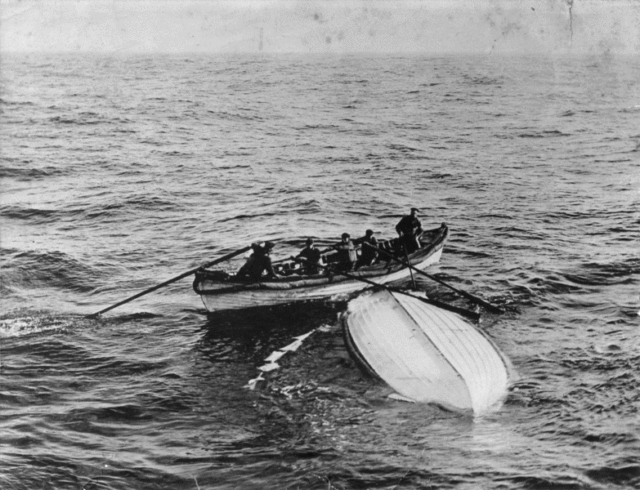
Collapsible
Boat B, found adrift by the ship Mackay-Bennett during its mission to
recover the bodies of those who died in the disaster. sourceReported
in the newspapers as the ‘unsinkable’, the Titanic perished on April
15, 1912 leaving a trail of death and destruction. The unfortunate
disaster took place in the middle of North Atlantic Ocean some 400 miles
south of Newfoundland, Canada.
When
the wreckage of the doomed ship was first discovered in 1985, a new
research commenced into the disaster opening new avenues, uncovering
more details about the disaster. James Cameron’s blockbuster with a
number of academy and Oscars brought the Titanic into the pop culture,
and ever since it has become an integral part of new age.
The
military code of conduct changes over time. During WWI, one would
expect that despite the horrifying circumstances, wounded enemies should
not be shot down like clay pigeons. Nevertheless, that is exactly what
had happened most of the time. Private Henry Tandey thought otherwise.
Henry
Tandey was born into a military family in 1891. On 12 August 1910, he
joined the Green Howards line infantry regiment of the British Army.
Prior to the outbreak of WWI, he was posted in Guernsey and South
Africa.
His achievements made him the
single most decorated private soldier in WWI. In October 1914, he took
part in the battle of Ypres in Belgium, where the British forces
suffered great casualties from the German enemy. The ending scene with
Tandey carrying a soldier wounded in this battle with no clear outcome
was later depicted by an Italian artist, Fortunino Matania. Years later,
this picture will be in the spotlight of an international controversy
that will haunt Tandey for the rest of his life.
Matania’s painting shows Henry Tandey carrying a wounded colleague (Trustees of the Green Howards Museum). Source
Two
years later, in August 1916, he fought in France, in the Second Battle
of Cambrai during the Hundred Days Offensive. His resoluteness in
storming across the no man’s land in order to bomb the German trenches
and the subsequent capturing of 20 prisoners earned him the
Distinguished Conduct Medal. Two weeks later, he repeated the scenario,
returning with a bunch of prisoners yet again. This earned him the
Military Medal.
Queen Elizabeth c. 1592, after Marcus Gheeraerts the Younger
<br />
ANNA WHITELOCK
J
The focus of this “partial” biography is the final two decades of Elizabeth I’s reign. Elizabeth’s biographers have, John Guy claims, tended to examine these years only fleetingly; beyond the Spanish Armada of 1588 they run out of steam or merely accept unquestioningly the image of Gloriana and her enduring popularity and success. That narrative, Guy argues, remains heavily influenced by the work of William Camden, Elizabeth’s first biographer, whose hagiographical Annales (or The History of Elizabeth), completed in 1617, together with Sir John Neale’s highly influential Queen Elizabeth (1934), published more than three centuries later, represent an enduring tradition of uncritically celebrating “Good Queen Bess”. Guy’s intention is to puncture this mythmaking and build directly on the work of Lytton Strachey, whose bestselling Elizabeth and Essex (1928) sought to present a very different, emotionally tortured Queen, whose reign falls into two distinct parts. After twenty-five years of rule, Strachey observed, “the kaleidoscope shifted; the old ways, the old actors, were swept off with the wreckage of the Armada”. It is from where Strachey “blazed a trail” that Guy aims “to strike out”.
AT 5.40pm on July 19, 1916, 100 men from the Oxfordshire and
Buckinghamshire Light Infantry filed out into No Man's Land and lay
down.
Twenty minutes later, with a cheer, they leapt up and threw themselves
on the enemy's trenches. The machine guns mowed down almost all of
them.
Τη νύχτα 2 προς 3 Αυγούστου του 1944, στάλθηκαν μαζικά στους θαλάμους
αερίων οι τελευταίοι 3.000 Ρομά κρατούμενοι στο στρατόπεδο συγκέντρωσης
Άουσβιτς-Μπίρκεναου. Συνολικά, υπολογίζεται ότι στη διάρκεια του
Ολοκαυτώματος θανατώθηκαν από τους ναζί περίπου 250.000 Ρομά (άλλες
εκτιμήσεις ανεβάζουν τον αριθμό στο μισό εκατομμύριο).
Ακολουθεί ένα animation που συνοψίζει την ιστορία των Ρομά:
From the Vatican Virgil (c. 400) (all images courtesy the Vatican Library)
In Rome, around the year 400, a scribe and three painters created an illuminated manuscript of Virgil’s Aeneid, illustrating the ancient hero Aeneas’ journey from Troy to Italy.1,600 years later, the Vatican has digitized the surviving fragments of this manuscript. Known as the Vergilius Vaticanus, it’s one of the world’s oldest versions of the Latin epic poem, and you can browse it for free online.
Περίεργες ιστορίες από την ανασκαφική κρύπτη της ναζιστικής λαίλαπας
Οι
εθνικοσοσιαλιστές ήταν παθιασμένοι όπως ξέρουμε με τις ρατσιστικές
φυλετικές θεωρίες τους και προσπαθούσαν λυσσασμένα να επιστρατεύσουν την
αρχαιολογία ώστε να αποδείξουν τη στρεβλή πεποίθησή τους για την καθαρή
ράτσα των Αρίων αλλά και την πανάρχαια καταγωγή τους.
Πριν από ογδόντα χρόνια οι Ολυμπιακοί Αγώνες στο
Βερολίνο, πρωτεύουσα της ναζιστικής Γερμανίας, εξελίχθηκαν σε ένα μεγάλο
προπαγανδιστικό θέαμα. Ένα βιβλίο φωτίζει τις 16 ημέρες του Αυγούστου
1936.
Ο Χίτλερ βρίσκεται ήδη εδώ και τρία χρόνια στην εξουσία, ωστόσο οι
πινακίδες που απαγορεύουν την είσοδο των Εβραίων στα καταστήματα έχουν
εξαφανιστεί. Αντί για τον ύμνο του Εθνικοσοσιαλιστικού Κόμματος
ακούγονται παντού στο Βερολίνο χαρούμενοι ήχοι σουίνγκ. Και σύμφωνα με
τις οδηγίες της κυβέρνησης προς τα μέσα ενημέρωσης του Γ΄ Ράιχ «δεν θα
πρέπει να θιγεί η ευαισθησία των μαύρων» κατά τη διάρκεια των Ολυμπιακών
Αγώνων του Βερολίνου το 1936.
Η ναζιστική Γερμανία με τον Χίτλερ στην κορυφή της ιεραρχίας, ο
οποίος τον Μάρτιο του 1936 παρήλαυνε θριαμβικά στη Ρηνανία, θέλει να
παρουσιάζεται ως ανοιχτή και ανεκτική χώρα. Ακριβώς αυτή την
καθημερινότητα εκείνης της εποχής καταγράφει στο βιβλίο του «Βερολίνο
1936 – δεκαέξι ημέρες του Αυγούστου» ο Όλιβερ Χίλμες. Ο ιστορικός
παρουσιάζει τις ημέρες των Ολυμπιακών Αγώνων στο Βερολίνο με τη μορφή
ενός ημερολογίου. Αναμιγνύει αρχειακό υλικό με στοιχεία μυθοπλασίας, για
να ανασυγκροτήσει τη «μαρτυρία» ενός αυτόπτη και να προσφέρει στον
αναγνώστη ένα αληθοφανές βίωμα.
The
United States Air Force might deploy the Lockheed Martin F-35 Joint
Strike Fighter to the Baltics for an air-policing role once the new
stealth aircraft becomes operational later this year.
The
United States Air Force might deploy the Lockheed Martin F-35 Joint
Strike Fighter to the Baltics for an air-policing role once the new
stealth aircraft becomes operational later this year. The new fighter is
to enter service with the Air Force with an interim software capability
called Block 3i that offers limited combat capability
Εξήντα
έξι εκατ. χρόνια πριν, ένας αστεροειδής προσέκρουσε στο ανατολικό
Μεξικό και εξαφάνισε τους δεινόσαυρους. Τώρα οι επιστήμονες, χάρις στη
νέα τεχνολογία, έχουν πολύ καλύτερη εικόνα του τι συνέβη εκείνη την
πολύ-πολύ μακρινή ημέρα.
Με
την ένταξη του αρχαίου θεάτρου των Φιλίππων τα μνημεία πολιτιστικής
κληρονομιάς στην Ελλάδα είναι πλέον 18. Η ομορφιά και η σπουδαιότητά
τους είναι μοναδική.
Η
Ελλάδα έχει συνυπογράψει από το 1981 τη Συνθήκη της UNESCO για την
προστασία των μνημείων και χώρων παγκόσμιας κληρονομιάς. Στόχος της
UNESCO είναι η προστασία από κάθε είδους φθορά και καταστροφή,
προκειμένου αυτά να κληροδοτηθούν στις γενιές του μέλλοντος. Με την
ένταξη του αρχαίου θεάτρου των Φιλίππων τα μνημεία πολιτιστικής
κληρονομιάς στην Ελλάδα είναι πλέον 18. Η ομορφιά και η σπουδαιότητά
τους είναι μοναδική.
ΝΑΟΣ ΕΠΙΚΟΥΡΕΙΟΥ ΑΠΟΛΛΩΝΟΣ - ΒΑΣΣΕΣ
(Χρονολογία ένταξης 1986)
Ο
φημισμένος ναός αφιερωμένος στον θεό της ίασης και του ήλιου, χτίσθηκε
στα μέσα του 5ου αιώνα στα απόκρημνα βουνά της Αρκαδίας. Ο ναός, με το
παλαιότερο Κορινθιακό κιονόκρανο, που έχει βρεθεί ποτέ, συνδυάζει τον
Αρχαϊκό ρυθμό με την ρώμη του Δωρικού, με ορισμένα τολμηρά αρχιτεκτονικά
χαρακτηριστικά.
ΑΡΧΑΙΟΛΟΓΙΚΟΣ ΧΩΡΟΣ ΑΚΡΟΠΟΛΕΩΣ
(Χρονολογία ένταξης 1987)
Απεικονίζοντας
τους πολιτισμούς, τους μύθους και τις θρησκείες, οι οποίες άνθισαν στην
Ελλάδα για μια περίοδο μεγαλύτερη των χιλίων ετών, η Ακρόπολη
περιλαμβάνει τέσσερα από τα σπουδαιότερα αριστουργήματα της κλασσικής
Ελληνικής περιόδου, τον Παρθενώνα, τα Προπύλαια, το Ερέχθειο και τον ναό
της Αθηνάς Νίκης, τα οποία μπορούν να θεωρηθούν σύμβολα της ιδέας της
παγκόσμιας κληρονομιάς.
Gurminder K. Bhambra
On the day before the referendum on our continued membership of the
European Union, I was wondering about what the result would be and how I
would respond. While I hoped that Remain would win, I couldn’t say
that, even at that point, it would have felt like a victory given what
it had already cost us. What had been unleashed in the weeks prior to
the vote was the most toxic discourse on citizenship and belonging, and
the rights that pertain as a consequence. This discourse provided a
context for the brutal killing of a socialist and progressive MP before
the vote followed by increasing racist and xenophobic attacks on
migrants and minorities after the decision for ‘Brexit’.
Μια πραγματικά Ελληνική κυβέρνηση θα είχε ήδη
απαιτήσει αποζημιώσεις από την τρόικα για τα εγκληματικά λάθη του ΔΝΤ
επισήμανε σε χθεσινή συνέντευξή του στο ραδιοφωνικό σταθμό Real Fm και
στον Άκη Παυλόπουλο ο Ανεξάρτητος Ευρωβουλευτής Καθηγητής Νότης Μαριάς.
Όπως επισήμανε ο Έλληνας Ανεξάρτητος Ευρωβουλευτής η Έκθεση του
Ανεξάρτητου Γραφείου Αξιολόγησης του ΔΝΤ με την οποία το ίδιο το ΔΝΤ
ξεκάθαρα ομολογεί ότι με τα εγκληματικά του λάθη κατέστρεψε την Ελληνική
οικονομία και προκάλεσε ανθρωπιστική κρίση στην Πατρίδα μας, αποτελεί
ισχυρό όπλο στα χέρια της Ελλάδας προκειμένου να διεκδικήσει από την
τρόικα αποζημιώσεις εκατοντάδων δισ. ευρώ.
Στο πλαίσιο αυτό αξιοποιώντας τη Συνθήκη για την ΕΕ, τη Συνθήκη
Λειτουργίας της ΕΕ αλλά και τη σχετική ρήτρα στη Δανειακή Σύμβαση
Ελλάδας-κρατών ευρωζώνης, η Ελληνική Πολιτεία θα μπορούσε να καταθέσει
ενώπιων του Δικαστηρίου της ΕΕ αγωγή κατά της τρόικας και των δανειστών
για την επιδίκαση αποζημίωσης, τόσο για την αποκατάσταση κάθε θετικής
και αποθετικής ζημίας που έχει υποστεί από τα μνημόνια όσο και για ηθική
βλάβη, όχι μόνο για τις χιλιάδες αυτοκτονίες που προκάλεσαν τα μνημόνια
αλλά και για τη διεθνή δυσφήμηση της χώρας μας. Ο προσδιορισμός του
ύψους της αποζημίωσης προϋποθέτει προετοιμασία του σχετικού φακέλου της
ζημίας.
Γράφει ο Περικλής Κοσκινάς Γεννήθηκα και μεγάλωσα στην Κέρκυρα. Έφυγα
από το νησί στα 19-20 μου χρόνια με μια ανακούφιση γιατί ένιωθα πως πια
δεν με χωράει. Πού να ’ξερα… 15 χρόνια μετά και αφού σχεδόν γύρισα τον
κόσμο κατάλαβα ότι αυτό ήταν και το παιχνίδι της, να καταλάβω πως μόνο
αυτή με χωράει και κανένας άλλος τόπος. Δεν έχω ακόμα καταφέρει να
γυρίσω όπως θα ήθελα, πάω μόνο για διακοπές, μάλλον για να με
τυραννάω... Δεν θα πω για τους χειμώνες και ας μου λείπουν περισσότερο,
αλλά για τα καλοκαίρια στο νησί. Τη λέω νησί και δεν μου αρέσει, δεν
είναι νησί, είναι ο κόσμος όλος.
The British vote by a narrow majority to leave the European Union is not the end of the world — but it does show us how we can get there.
A
major European power, a longtime defender of liberal democracy,
pluralism and free markets, falls under the sway of a few cynical
politicians who see a chance to exploit public fears of immigration to
advance their careers. They create a stark binary choice on an
incredibly complex issue, of which few people understand the full scope —
stay in or quit the E.U.
These
politicians assume that the dog will never catch the car and they will
have the best of all worlds — opposing something unpopular but not
having to deal with the implications of the public actually voting to
get rid of it. But they so dumb down the debate with lies,
fear-mongering and misdirection, and with only a simple majority
required to win, that the leave-the-E.U. crowd carries the day by a
small margin. Presto: the dog catches the car. And, of course, it has no
idea now what to do with this car. There is no plan. There is just
barking.
Like
I said, not the end of the world yet, but if a few more E.U. countries
try this trick we’ll have quite a little mess on our hands. Attention
Donald Trump voters: this is what happens to a country that falls for
hucksters who think that life can just imitate Twitter — that there are
simple answers to hard questions — and that small men can rearrange big
complex systems by just erecting a wall and everything will be peachy.
A group of stranded survivors
of a Japanese vessel sunk by the American military found their way to
the island of Anatahan, 75 nautical miles north of Saipan.
The island’s coast
line is precipitous with landing beaches on the northern and western
shore and a small sandy beach on the southwest shore.
Its steep slopes are furrowed by deep gorges covered by high grass.
This brooding cone
jutting from the sea floor is a large, extinct volcano with two peaks
and a grass covered flat field, the final resting place for a B-29
Superfortress that crashed upon returning from a bombing mission over
Nagoya, Japan on January 3, 1945 killing the aircraft’s crew.
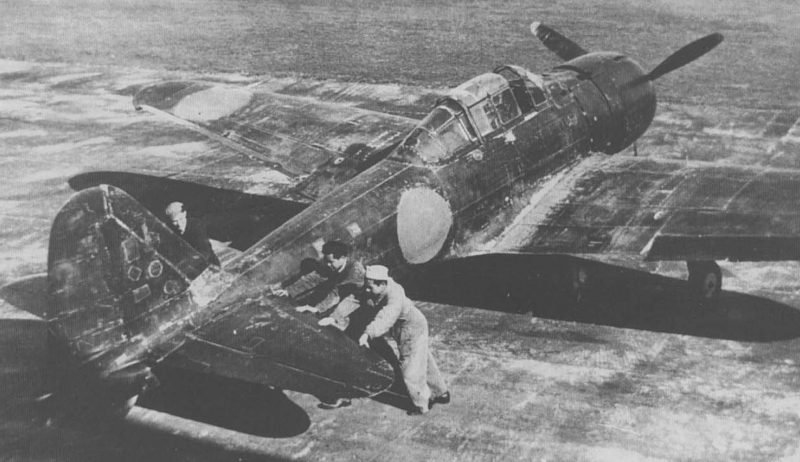
The Russian Geographical Society (RGO) and the Russian Defense Ministry found
a Japanese World War II aircraft during a joint expedition to the Kuril
Islands. The plane was found off the coast of Dvoynaya Bay on Matua
Island.
Υπό τον τίτλο οι φάλαγγες της μαύρης τάξης [*]
απ’ αυτό το τεύχος του Sarajevo, και για όσα τεύχη χρειαστούν, θα
δημοσιευτεί σε συνέχειες μια ερευνητική δουλειά για τις φασιστικές
οργανώσεις στην ελλάδα, απ’ την μεταπολίτευση ως τα τέλη της δεκαετίας
του ‘80. Από πολλές απόψεις πρόκειται για μια γενεαλογία των τωρινών
οργανώσεων, αλλά όχι μόνον αυτό. Υπάρχει ένας γενικά αποδεκτός
(διακομματικά) μύθος ότι η πτώση της χούντας το ‘74 και η φυλάκιση
ορισμένων απ’ τους “πρωταίτιους” στη συνέχεια, διαμόρφωσε στην ελλάδα
μια δημοκρατία “καθαρή”, ένα κράτος επίσης “καθαρό” απ’ την ιστορία όχι
μόνο των 7 χρόνων (της χούντας), αλλά δεκαετιών [1
]. Αν και κανείς δεν θα αρνούνταν ότι υπήρξαν ενεργοί φασίστες και
στη συνέχεια της δεκαετίας του ‘70 ή την δεκαετία του ‘80, είναι πολύ
λιγότερο πιθανό να αναγνωριστούν σ’ αυτήν την “ύπαρξη” δομικά
χαρακτηριστικά του μεταπολιτευτικού ελληνικού κράτους. Ειπωμένο αλλιώς:
να αναγνωριστούν οι λειτουργικές μεταμορφώσεις του ιστορικού ελληνικού
παρακράτους. Η έρευνα και η εξιστόρηση αυτή, λοιπόν, έχει ένα
ιστορικό/πολιτικό νόημα που δεν περιορίζεται σ’ αυτήν καθ’ αυτήν την
ύπαρξη και την δράση φασιστικών οργανώσεων στην ελλάδα. Αφορά, επίσης,
σε μεγάλο βαθμό την συγκρότηση του μεταπολιτευτικού κράτους, απ’ την
οπτική γωνία κάποιων κρυμένων μυστικών του.
Ας πούμε: είναι μια συμβολή στην ιστορική διαύγαση του σήμερα.
Ulpia Traiana Sarmizegetusa (or Colonia Ulpia Traiana Augusta Dacica Sarmizegetusa)
was the capital and the largest settlement in Roman-controlled Dacia
(mainly corresponding to modern Romania and Moldova), with its name
partially derived from Sarmizegetusa – the former religious and
political center of Dacia. Founded during the reign of Trajan, possibly
between 106-107 AD – when the Roman Empire stretched to its greatest extent,
the fortified walls of Ulpia Traiana Sarmizegetusa encompassed an area
of over 32 hectares. And since the city was governed under direct Roman
rule because of its prestigious Ius Italicum status, the
settlement was home to a profusion of Roman-architecture styled
structures, including a forum, amphitheater, temples and even private
houses. Unfortunately, the Roman-Dacian capital was destroyed by the
invading Goths in 4th century. But now like a proverbial phoenix, Ulpia
Traiana Sarmizegetusa is all set to ‘rise’ from its ruins – with a
definitive plan to restore and preserve many significant sections of the
ancient capital.
Proposed reconstruction of the Amphitheater.
The EUR 4.5 million restoration project has apparently scored all the
government approvals, while the documentations for EU funding have also
been successfully submitted. According to Liliana Tolas, director of
the Museum of Dacian and Roman Civilisation (MCDR), the organization
that watches over the eminent archaeological site –
Οι πρωτεργάτες του ελληνικού και βαλκανικού κινηματογράφου
Πρωτοπόρος
κινηματογραφιστής και φωτογράφος στο χώρο των Βαλκανίων ο Μίλτος
Μανάκης, γεννήθηκε στις 9 Σεπτεμβρίου του 1882 στο βλάχικο χωριό Αβδέλα
Γρεβενών. Με το φακό του κατέγραψε πολύ σημαντικές στιγμές στην περίοδο
των έντονων κοινωνικοπολιτικών αλλαγών στα Βαλκάνια.
Chariot racing was massively popular in ancient Rome; so much so
that the world’s highest paid athlete and the first billionaire from
their ranks possibly pertained to one Gaius Appuleius Diocles.
According to classical studies professor Peter Struck (at University of
Chicago), the ancient charioteer’s accumulated prize money equated to
35,863,120 sesterces, which is equivalent of around $15 billion or £9.6 billion. But while popular culture (including Ben-Hur)
has presented the Roman penchant for brutal spectator sports, their
long-time ancient rivals were also interested in chariot races fueled by
skilled competitors and roaring crowds. We are obviously talking about
Carthage – with the Circus of Carthage being the largest sporting arena
outside Rome, built solely for such grand events. And now archaeologists
have come across an advanced technological ambit that rather
complemented the exhilaration of chariot races, and it entailed a nifty
liquid cooling system that aided both horses and chariots.
For long historians were puzzled by the ‘efficiency’ of chariots
(relating to both the horses and the vehicle) in Carthage, since the
city-state was located in North Africa, traditionally known for its hot
and arid climate. Simply put, even horses could have fainted mid-race in
such rigorous conditions. But as a result of a recent excavation at the
site of Circus of Carthage, experts have now identified the use of a
special water resistant mortar in one of the structures of the stadium.
I
identify as a Scythian Cataphract. My preferred pronouns are phract and
cataphractself. Here's some information so you can get educated you
fucking cis-scum.









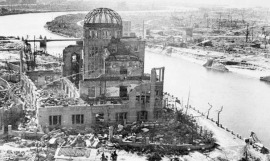 Ώρα 8:15. Το πρωινό της 6ης Αυγούστου για την Ιαπωνική πόλη Χιροσίμα




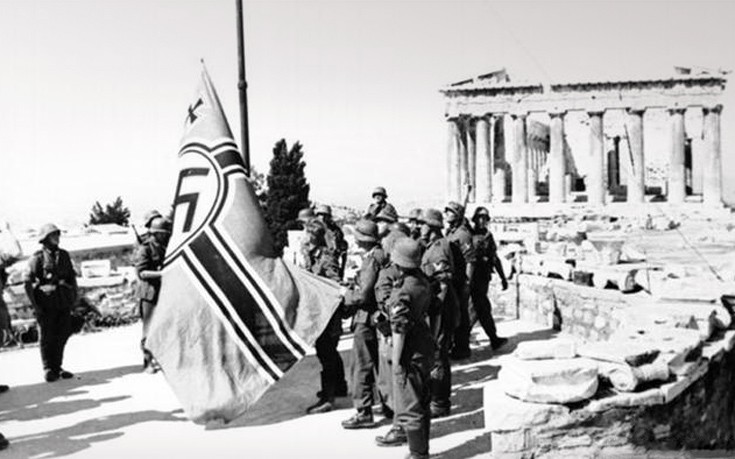


 German Empire






 Ruins of the Roman Amphitheater at Ulpia Traiana Sarmizegetusa,

 Πρωτοπόρος
κινηματογραφιστής και φωτογράφος στο χώρο των Βαλκανίων ο Μίλτος
Μανάκης, γεννήθηκε στις 9 Σεπτεμβρίου του 1882 στο βλάχικο χωριό Αβδέλα
Γρεβενών. Με το φακό του κατέγραψε πολύ σημαντικές στιγμές στην περίοδο
των έντονων κοινωνικοπολιτικών αλλαγών στα Βαλκάνια.
Πρωτοπόρος
κινηματογραφιστής και φωτογράφος στο χώρο των Βαλκανίων ο Μίλτος
Μανάκης, γεννήθηκε στις 9 Σεπτεμβρίου του 1882 στο βλάχικο χωριό Αβδέλα
Γρεβενών. Με το φακό του κατέγραψε πολύ σημαντικές στιγμές στην περίοδο
των έντονων κοινωνικοπολιτικών αλλαγών στα Βαλκάνια.

