Of course it was. After the Allies landed at Normandy and then broke out, General von Rundstedt very correctly said that the proper thing to do next was “End the damned war!” Germany’s situation was already hopeless. All that extending the war could do was kill more people, and most of those people would be Germans. More cities would be bombed: German cities. More and more destruction, devastation and death would be visited on Germany every single day. There was no way out, and at the end of it all, Germany was either going to surrender or be conquered and left a heap of ruins, with several million more dead people.
The Nazis chose to fight to the end, which merely meant all of those ruins, all of those dead people, and an even greater desire for revenge on the part of the Allies, particularly the Soviets.









 της Δρ Άννας Κωνσταντινίδου
 The
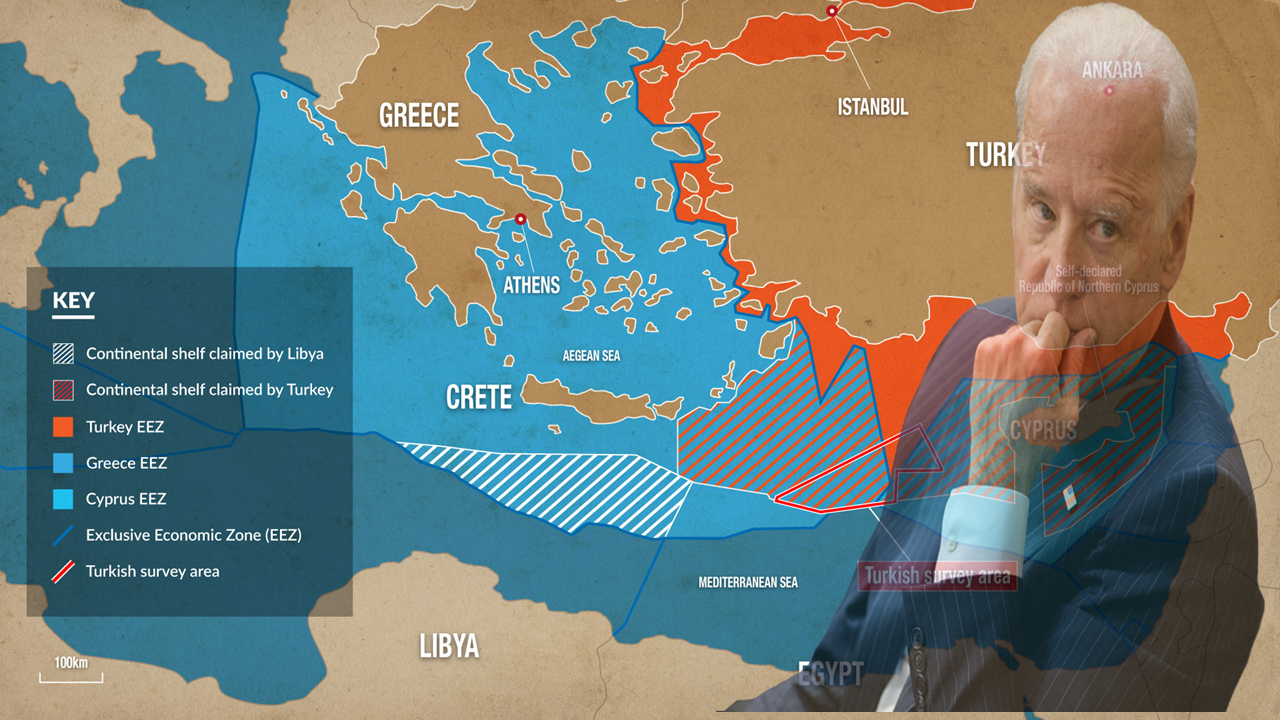
United States has decided: with 306 electoral votes, Joe Biden is
officially the 46th U.S. president. Biden’s victory has been considered a
turning point for a number of policy issues, from the tackling of the
COVID-19 pandemic to racial injustice, and it raises important questions
about the future of the U.S. foreign policy. In the face of four years
of isolationism where the U.S. found itself during Trump’s presidency,
Biden’s geopolitical strategy promises to be more internationalist, with
a greater consideration for multilateral agreements and international
organizations. A greater focus on climate, environment and NATO is
expected. In this context, the recovery of relations with the old
continent will certainly be one of the foreign policy priorities. As for
relations with China, the main dossiers will probably concern human
rights, Taiwan and Hong Kong. The president-elect may also be willing to
defuse tensions with Iran, reducing the sanctions against Tehran and
reviving the nuclear deal.
The
United States has decided: with 306 electoral votes, Joe Biden is
officially the 46th U.S. president. Biden’s victory has been considered a
turning point for a number of policy issues, from the tackling of the
COVID-19 pandemic to racial injustice, and it raises important questions
about the future of the U.S. foreign policy. In the face of four years
of isolationism where the U.S. found itself during Trump’s presidency,
Biden’s geopolitical strategy promises to be more internationalist, with
a greater consideration for multilateral agreements and international
organizations. A greater focus on climate, environment and NATO is
expected. In this context, the recovery of relations with the old
continent will certainly be one of the foreign policy priorities. As for
relations with China, the main dossiers will probably concern human
rights, Taiwan and Hong Kong. The president-elect may also be willing to
defuse tensions with Iran, reducing the sanctions against Tehran and
reviving the nuclear deal.

 Κείμενο: Όμηρος Ταχμαζίδης


 του Κωνσταντίνου Ν. Τσαπάκη*