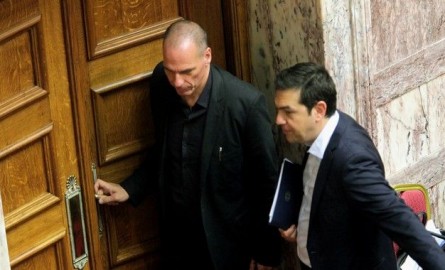
Πληθώρα σχεδίων Β κυοφορούνταν στις τάξεις
της πρώτης κυβέρνησης της Αριστεράς. Ο Αλέξης Τσίπρας είχε συστήσει
μυστική ομάδα ειδικών αποστολών. Μεταξύ αυτών, ήταν η διαπραγμάτευση με
τη Μόσχα για το άνοιγμα πιστωτικής γραμμής, εν γνώσει του Παναγιώτη
Λαφαζάνη αλλά εν αγνοία του Γιάνη Βαρουφάκη.
Αυτό αποκαλύπτει η Καθημερινή, τονίζοντας ότι η ομάδα απασχολήθηκε
και με το πώς θα πληρώνονταν οι υποχρεώσεις του δημοσίου στο σενάριο
κατάρρευσης των διαπραγματεύσεων.
Ο κ. Βαρουφάκης είχε προτείνει – επανειλημμένως- τη χρήση παράλληλου
συστήματος πληρωμών. Το σχέδιο απορρίφθηκε γιατί θεωρήθηκε ότι η
αντίδραση, ιδιαίτερα των συνταξιούχων, σε περίπτωση πληρωμής τους με
IOUs ή ακόμα χειρότερα με πιστώσεις σε ένα παράλληλο ηλεκτρονικό
σύστημα, θα ήταν εκρηκτική. Έτσι επικράτησε, σε πολύ προκαταρκτικό
επίπεδο, η σκέψη να χρησιμοποιηθούν τα αποθεματικά σε ευρώ που
φυλάσσονταν στο Νομισματοκοπείο (μη εγκεκριμένα προς κυκλοφορία από την
ΕΚΤ).
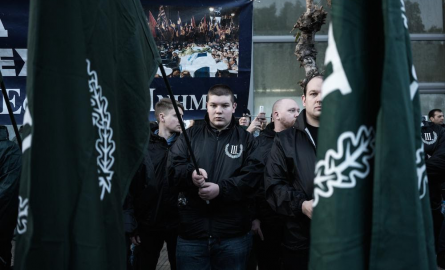
Η συγκέντρωση για τα Ίμια πλασάρεται από τη
ναζιστική οργάνωση ως εκδήλωση τιμής για τους πεσόντες αξιωματικούς στον
παρ’ ολίγο πόλεμο με την Τουρκία. Στην πραγματικότητα, η 30 Γενάρη
αποτελεί μια πρώτης τάξης ευκαιρία για μια ναζιστική φιέστα, με διεθνείς
μάλιστα συμμετοχές.
Ίσως το γεγονός ότι την ίδια μέρα οι εθνικοσοσιαλιστές όπου γης
γιορτάζουν την άνοδο του Χίτλερ στην εξουσία το 1933 να παίζει κι αυτό
τον ρόλο του…
Αν θεωρείτε αυτή την εκτίμηση υπερβολική, δείτε τη συμμετοχή των
Γερμανών νεοναζί στη φετινή συγκέντρωση. Οι ίδιοι οι Γερμανοί νεοναζί
του «Τρίτου Δρόμου» (έτσι λέγεται η νεοναζιστική γκρούπα που προσκλήθηκε
από τη Χρυσή Αυγή και [τις] έφαγε στον Μπαϊρακτάρη) διαφημίζουν την
παρουσία τους στα μέσα κοινωνικής δικτύωσης και στον ιατότοπό τους.
Πρόκειται για την πρώτη δίκη στη χώρα που γίνεται με με βάση τον αντιρατσιστικό νόμο που ψηφίστηκε τον Αύγουστο του 2014
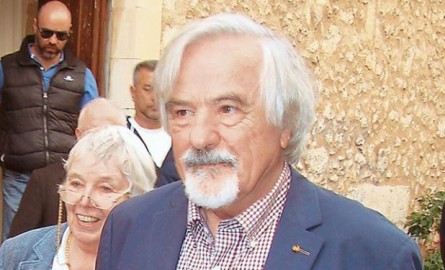
Με τις αγορεύσεις των συνηγόρων του κ. Ρίχτερ, Α. Αναγνωστόπουλου και
Κ. Καλλίρη αλλά και την πρόταση του Εισαγγελέα για απαλλαγή του
καθηγητή Ρίχτερ, ολοκληρώθηκε χθες στο Μονομελές Πρωτοδικείο Ρεθύμνου η
τελευταία ακροαματική διαδικασία πριν την τελική απόφαση του
δικαστηρίου.
Η επόμενη δικάσιμος έχει οριστεί για την Τετάρτη 10 Φεβρουαρίου,
οπότε και αναμένεται να ανακοινωθεί η απόφαση από τον πρόεδρο της έδρας.
Ήταν μια ατέλειωτη χρονιά, όπως συνήθως
γίνεται όταν οι στιγμές είναι ιστορικές. Η 25 Ιανουαρίου 2015 έφερε την
ελπίδα βαθιάς κοινωνικής αλλαγής και την προσδοκία πληρέστερης
προσωπικής ζωής. Η χαρά αποτυπώθηκε έντονα στα πρόσωπα τη βραδιά εκείνη.
Ένα χρόνο αργότερα κυριαρχεί η απογοήτευση και ο θυμός. Η ηγεσία του
ΣΥΡΙΖΑ συνετρίβη στις διαπραγματεύσεις, υπέγραψε το Τρίτο Μνημόνιο κι
εφαρμόζει την πολιτική που κατακεραύνωνε από το 2010 και μετά.
Υπάρχουν βέβαια και οι επίσημες διακηρύξεις, ότι ο πόλεμος δεν
τελείωσε, έγινε μια υποχώρηση, θα δοθούν κι άλλες μάχες μέχρι την τελική
νίκη. Η κυβερνητική πλευρά ισχυρίζεται ότι η Αριστερά συνεχίζει τον
αγώνα με οποιουσδήποτε όρους. Ο πικρός συμβιβασμός καμιά φορά είναι
αναπόφευκτος, όπως του Λένιν στο Μπρεστ Λιτόβσκ το 1918 με τους Πρώσους
στρατοκράτες για να σωθεί η Ρωσική Επανάσταση. Ο λαός το λέει
διαφορετικά, για τη μυλωνού και τον άντρα της …
Η πανωλεθρία που υπέστη ο ΣΥΡΙΖΑ από τους δανειστές είναι
αναντίρρητη. Υπάρχουν μόνο δύο ερωτήματα: γιατί συνέβη και ποια θα είναι
η πορεία των πραγμάτων από δω και πέρα.
Ειδοποιητήρια σε 2 εκατ. οφειλέτες θα σταλούν
από τις τράπεζες εντός του Φεβρουαρίου, προκειμένου να τακτοποιήσουν
τις υποχρεώσεις τους. Σε διαφορετική περίπτωση, κινδυνεύουν με
κατασχέσεις
Παύουν να είναι στο απυρόβλητο οι κάτοχοι πιστωτικών καρτών με
καθυστερούμενες οφειλές και αντιμετωπίζουν πλέον και αυτοί τον κίνδυνο
κατασχέσεων και πλειστηριασμών, εάν δεν σπεύσουν να τακτοποιήσουν τα
χρέη τους.
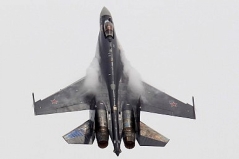
Α)Ο Πούτιν έστειλε τα ολοκαίνουργια Su-35 στην μάχη κατά των Τζιχαντιστών και Τουρκίας…Τσιμουδια ο Ερντογαν
Τα
Su-35 θα επιχειρήσουν για να προστατέψουν ρωσικά αεροσκάφη αν και όποτε
αυτό χρειαστεί, δηλώνει ο εκπρόσωπος της ρωσικής αεροπορίας στην Συρία.
«Τα δύο Su-35 jets θα δημιουργούν ασπίδα προστασίας 400 χιλιομέτρων γύρω από το κάθε ρωσικό αεροσκάφος», σημειώνει.
Σόιμπλε… δεν ξεχνάμε, δεν είμαστε Τσίπρας! Σπάνιο υλικό απο τις ναζιστικές θηριωδίες το 1945 (Προσοχή σκληρές εικονες)…
Φωτογραφίζοντας ναζιστικές θηριωδίες
Στις πύλες της… κόλασης: Η Απελευθέρωση του Μπέργκεν Μπέλσεν-, 15 Απρ 1945
1945. Πρώην φρουροί και φύλακες του Μπέργκεν Μπέλσεν μεταφέρουν τα πτώματα κρατουμένων υπό την φρούρηση των Βρετανών στρατιωτών.
Με τα μελανότερα γράμματα καταγράφεται η
κατάσταση στην ελληνική κοινωνία σήμερα σύμφωνα με την μεγάλη έρευνα του
Ινστιτούτου Μικρών Επιχειρήσεων της ΓΣΕΒΕΕ για το εισόδημα και τις
δαπάνες των νοικοκυριών για το 2015. Η έρευνα που πραγματοποιήθηκε τον
περασμένο μήνα σε συνεργασία με την Marc σε δείγμα 1000
αντιπροσωπευτικών νοικοκυριών στο σύνολο της ελληνικής επικράτειας δεν
αφήνει πολλά περιθώρια για αισιοδοξία. Το news247 παρουσιάζει σήμερα τα
πιο τρανταχτά ευρήματα της έρευνας:
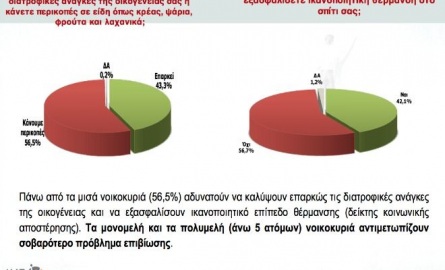
70,1% των νοικοκυριών δηλώνει ότι θα αντιμετωπίσει σοβαρό οικονομικό
πρόβλημα αν αυξηθούν οι τιμές στα είδη διατροφής που καταναλώνει.
94,2% των νοικοκυριών παρουσίασε σημαντική μείωση των εισοδημάτων
μετά το ξέσπασμα της κρίσης, με σαφέστατη την τάση διεύρυνσης της
ανισότητας υπέρ του 1% του πληθυσμού. Μάλιστα, μείωση εισοδημάτων
καταγράφηκε και μέσα στο 2015 για το 77,9% των νοικοκυριών.
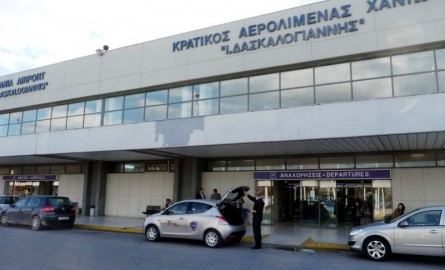
Η παραχώρηση των 14 κερδοφόρων Περιφερειακών Αεροδρομίων στην
εταιρεία Fraport, ήταν μια από τις δεσμεύσεις που ανέλαβε η ελληνική
κυβέρνηση να υλοποιήσει στα πλαίσια του 3ου Μνημονίου. Σήμερα, η σύμβαση
αυτή έρχεται στην δημοσιότητα και αποκαλύπτονται όροι που αφορούν τόσο
το δημόσιο συμφέρον, όσο και τους εργαζόμενους. Σύμφωνα με όσα
περιλαμβάνονται στην σύμβαση, που όπως θα δείτε φέρει τις υπογραφές των
υπουργών Υποδομών, Μεταφορών και Δικτύων κ. Σπίρτζη, Οικονομικών
Ευκλείδη Τσακαλώτου και Εθνικής Άμυνας, Πάνου Καμμένου, του ΤΑΙΠΕΔ αλλά
και της Fraport, το Δημόσιο θα πληρώνει τα έξοδα και η Fraport θα
εισπράττει
Όπως θα δείτε παρακάτω, στις 295 σελίδες που δημοσιεύει το ThePressProject,
η εταιρεία έχει την δυνατότητα να μειώσει το μίσθωμα που έχει
συμφωνηθεί, αν χρειαστούν βελτιωτικά έργα στα αεροδρόμια που αποκτά,
απαλλάσσεται από ΕΝΦΙΑ, δημοτικά τέλη και έξοδα περιβαλλοντικών μελετών.
Ακόμη, θα δικαιούται αποζημίωση σε περίπτωση που το κράτος αποφασίσει
να κάνει αλλαγές στην νομοθεσία του οι οποίες θα επηρεάζουν τα έξοδά
της, όμως για παράδειγμα στις συμβάσεις εργασίας. Θα λαμβάνει
αποζημιώσεις για τυχόν ζημιές σε μηχανήματα που μεταβιβάσθηκαν (ιμάντες
αποσκευών, κλιματιστικά), ή για καθυστερήσεις έργων λόγω αρχαιολογικών
ευρυμάτων. Η Fraport θα μπορεί να αναβάλει την πληρωμή του μισθώματος
για λόγους ανωτέρας βίας ή να παρατείνει την διάρκεια της 40ετούς
σύμβασης σε περίπτωση που το δημόσιο χρωστά αποζημιώσεις ύψους 5.000.000
ευρώ.
Με το βλέμμα στραμμένο στη συνάντηση των
Τεμπών, όπου και αναμένεται να καθοριστεί ο τρόπος κλιμάκωσης των
κινητοποιήσεων, βρίσκονται σήμερα οι άνθρωποι του πρωτογενούς τομέα που
έχουν στήσει μπλόκα σε όλη την Ελλάδα.
Σύμφωνα με το Αθηναϊκό-Μακεδονικό Πρακτορείο, ορισμένα μπλόκα θα
προχωρήσουν σε κλείσιμο των δρόμων όπου έχουν κατασκηνώσει, ενώ υπάρχουν
και άλλοι που αποφάσισαν να τηρήσουν στάση αναμονής.
Πάντως, καθημερινά ενισχύονται τα μπλόκα των αγροτών και πλέον
καταγράφονται περισσότερα από 7.000 τα τρακτέρ που είναι παρατεταγμένα
σε κομβικά σημεία της Εγνατίας και της εθνικής οδού στην κεντρική και
δυτική Μακεδονία. Πληθαίνουν μέρα με τη μέρα και τα μπλόκα που στήνουν
άνθρωποι του πρωτογενούς τομέα και σήμερα ανέρχονται σε συνολικά 13
μπλόκα στην κεντρική και δυτική Μακεδονία. Υπενθυμίζεται ότι από την
προσεχή Κυριακή 24 Ιανουαρίου στα αγροτικά μπλόκα θα βρίσκονται και
φορτηγατζήδες και νταλικέρηδες, ενώ τα εμπορικά καταστήματα σε διάφορους
νομούς των προαναφερόμενων περιοχών, εξετάζουν να κατεβάσουν τα ρολά
την ημέρα του πανελλαδικού συλλαλητηρίου που διοργανώνεται στη
Θεσσαλονίκη στις 28/1, ημέρα εγκαινίων της Agrotica.
April
30, 1945 – the Soviet Army moves quickly through the city of Berlin,
the capital of Germany and the home base of the Third Reich. Beyond the
city’s limits are the Allied forces, sweeping through the rest of the
country, waging and winning battles as the Nazi army is brought to its
knees.
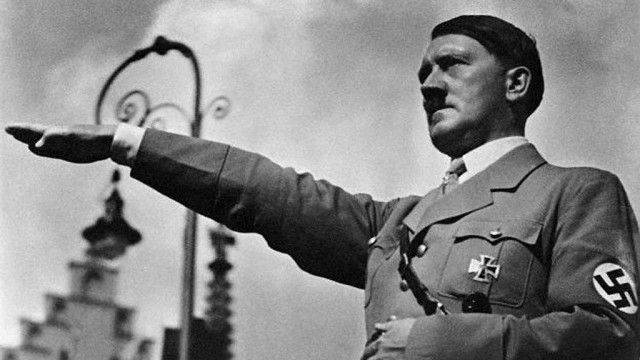
Adolf
Hitler still rules Germany, still holds the title of Fuhrer over the
Third Reich, but this day will be his last. By this date, the Nazi
regime was collapsing, and its leader would not see the month of May –
or the end of World War II.
Earlier
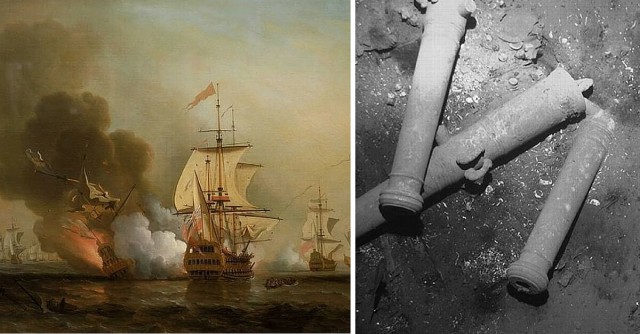
this month, Colombia’s president announced that a research team had
located the shipwreck of the 300-year-old galleon, the San José.
He announced that they thought it was worth $4 – $17 million due to the
gold and jewels that are thought to be left in the wreckage.
The
goods are said to have been collected in the mines in Peru and were
being taken back to Spain in the early 1700s. Unfortunately, the galleon
was stopped in its tracks when it got into a battle with the British
Navy off the coast of Colombia.
The president announced that the
wreckage had been found at the end of November, while many other parties
have also laid claim to the wreckage, including a US firm that claims
it already found it years before, and a team working for Spain’s
government.
Scipio
Africanus was only of the most talented generals in the ancient world.
He was barely an adult when Hannibal invaded Italy. He fought in some of
the most epic battles of the war and lost his father, uncle and
father-in-law in the first few years of the war. Taking his first
command in Spain, Scipio succeeded in defeating Carthaginian forces that
together had nearly three times as many men.
After securing Spain
Scipio, being an ardent patriot, sought to end the war with total
victory rather than simply seeking terms as most of the war-weary senate
desired. With Hannibal still in Italy with a veteran army Scipio
proposed an invasion of Africa to end the war. From Livy, this is
Scipio’s plea to the senate:
“Italy has suffered long; let her for
a while have rest. It is Africa’s turn to be devastated by fire and
sword. It is time a Roman army threatened the gates of Carthage, rather
than that we should again see from our walls the rampart of an enemy
camp. Let Africa be the theater of war henceforward; for fourteen years
all the horrors of war have fallen thick upon us, terror and defeat, the
devastation of our farms, the desertion of our friends; it is her turn
now to suffer the same”
During
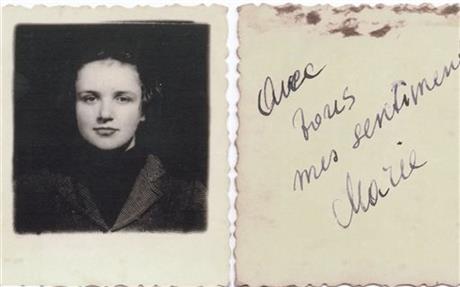
World War II, there was one Japanese tourist who did the unthinkable.
When Europeans were seeking shelter from the Nazis, Tatsuo Osako was
there to help. Nearly 75 years later, he said that he helped seven
refugees find shelter.
As
a show of appreciation and gratitude, the refugees gave Osako
photographs of themselves. After the photos had appeared on the
internet, four of them were identified. The photos given to Osako were
from the one man and six women he had helped between the years of 1940
to 1941.
Historians and researchers investigated WWII archives and
looked at passenger manifests to verify the story. These months spent
looking through the archives turned up affirmations that stated that
those refugees had just barely escaped. The files also showed that the
refugees traveled by trains and ships. What is most important of all is
that these archives revealed that many Japanese people had offered help
to the Jews and other civilians to flee from Europe.
We’ve
flipped through the pages of aviation history to bring you ten of the
biggest, heaviest, weirdest and most astounding aircraft ever built.
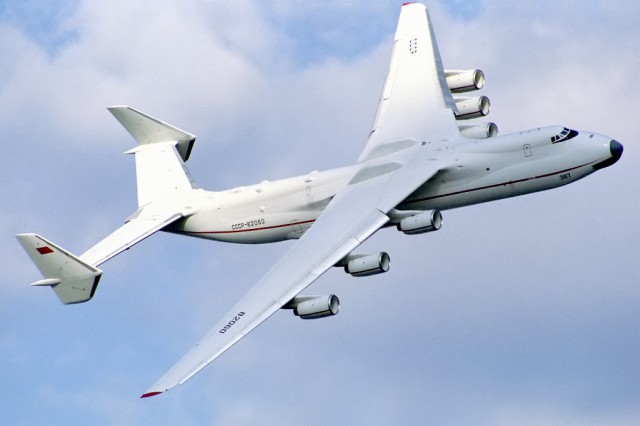
Antonov An-225 Mriya
With
an overall length of 84 metres and a maximum takeoff weight of 640
tonnes, the An-225 is officially the longest and heaviest aircraft ever
built. The An-225 was originally designed by the Antonov Design Bureau
as a transport for the Buran spaceplane, but after the end of the Buran
program, the An-225 became a commercial cargo aircraft.
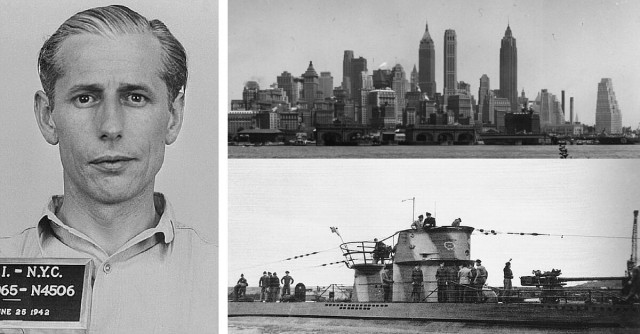
Although
most people know Japanese soldiers invaded Alaska during World War II,
most do not know Germany sent two groups of saboteurs to wreak havoc on
utilities and industry on American soil.
These
men sailed aboard U-boat submarines across the Atlantic, well trained,
well equipped, but without any true heart and fervor for the mass
destruction they had been sent to accomplish. The title Operation Pastorius was given in honor of a noted German, who settled in America.
Each
of the operatives chosen to participate had immigrated to the United
States after World War I. Several obtained American citizenship and all
were well acquainted with the U.S.A. However, as the Third Reich
appeared to be bringing Germany to its former glory, the men took
advantage of an offer from Germany to have their passage paid to return
to the fatherland. These men were picked from the records of the Ausland
Institute, the financial backer of the thousands of German expatriates
who returned to Germany.
Life
with amputated legs can prove difficult for even the most mundane of
tasks require extra effort. But trying taking on the German Luftwaffe
and Prisoner of War camps without any legs and then we can talk about
what exactly it takes to overcome adversity.
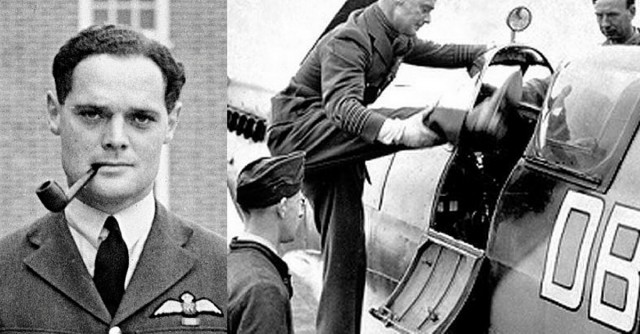
Sir
Douglas Robert Bader was an RAF pilot who lost both legs in a 1931
flying accident where his wing touched the ground while conducting
flying acrobatics. One leg was amputated above the knee and the other
below which one would have assumed would have ended his career as a
pilot.
However, this pilot would overcome adversity and doubts
about his capability on his way to downing 22 German aircraft as a pilot
and as a German POW conduct so many escape attempts that the Germans
threatened to take away his prosthetic legs.
Winning Over the Royal Air Force Brass
Sir
Douglas Robert Bader was born in 1910 London and would prove early his
life both an exceptional athletic ability combined with a tendency to
bend the rules when necessary or just when he pleased.
He excelled
at all sports to include Rugby growing up, and when he joined the RAF
as an officer candidate in 1928, he was almost kicked out after too many
late nights out. He became a commissioned pilot in 1930 where he would
frustrate the RAF brass by conducting various acrobatic moves at low
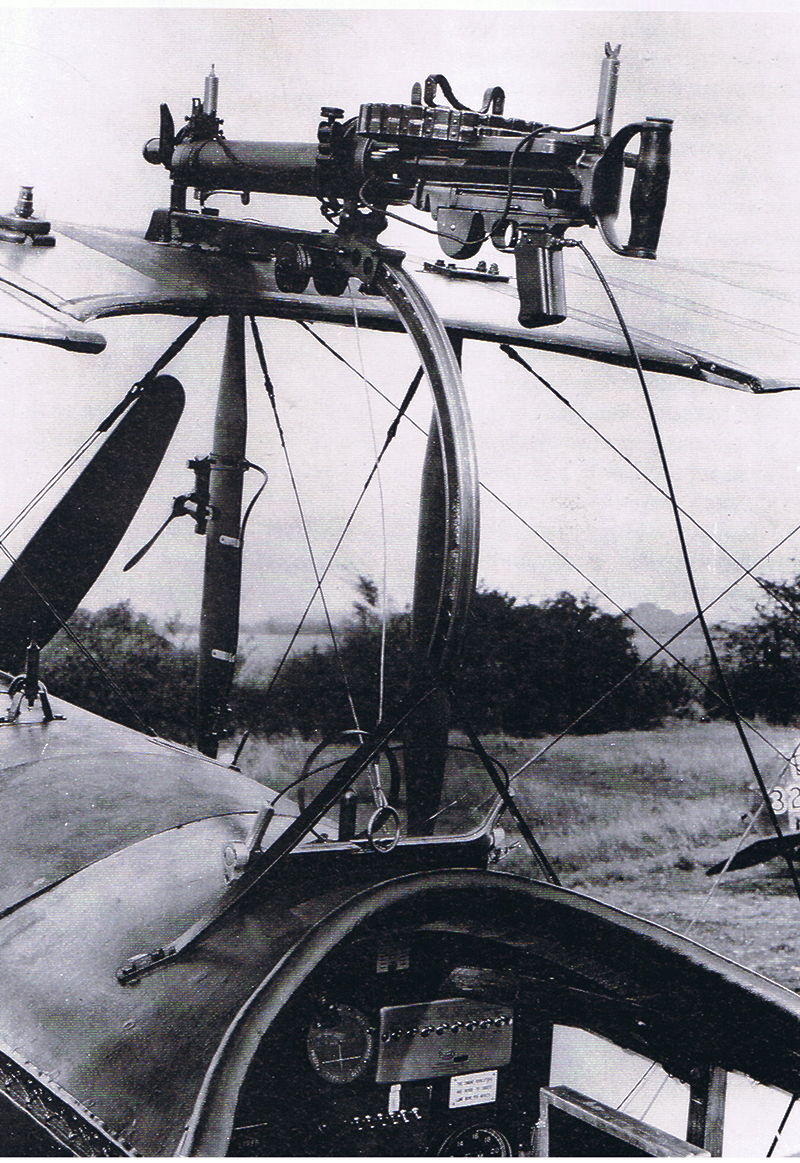
altitudes in his bi-plane. Foster Mounted Lewis Gun on an Avro504 Bi-Plane via commons.wikimedia.orgIn
what might prove to be a hard lesson to learn in peace time, one of
Bader’s attempts at low altitude acrobatic moves during the Henderson
Air Show resulted in the crash that would take both of his legs. After a
long recovery, he was fitted with prosthetics and then made his bid to
return to the skies with the RAF. Despite being able to demonstrate
competency, he was denied an opportunity to return in 1932.
However,
as the winds of war began to gather in Europe, the RAF was more open to
Bader’s repeated requests but only offered him ground jobs. But with a
little help from high-ranking officials, he was finally given his
opportunity to return to the skies, missing legs and all.
In late
1939, Bader would conduct flight tests on various plane models before
being assigned to the No. 19 RAF Squadron where he would get a chance to
fly the famed and beloved Spitfire. He would conduct various training
flights in the Spitfire between January and May of 1940 where he
demonstrated an ability to excel at high-speed maneuvers.
Many
thought it was his ability to withstand high G turns due to his missing
legs. When most pilots conducted such extreme turns, they might black
out as the blood from the brain rushes to the extremities, primarily the
legs. But missing his, Bader could stay conscious longer and make
sharper and faster turns than his opponents.
Time for Action
Not only would Bader’s
missing legs prove an asset, but so would his fearless and audacious
attitude in the face of danger. Sure that philosophy might have taken
his legs in 1931, but such an approach to life was often helpful in
war. He would first see action in June of 1940 as his squadron was
tasked with providing air cover at Dunkirk to support the evacuation of
British troops after the Germans began their blitz through France.
By
the time the Battle for France was over, Bader had already established
himself as a Fighter Ace and was well on his way to moving up throughout
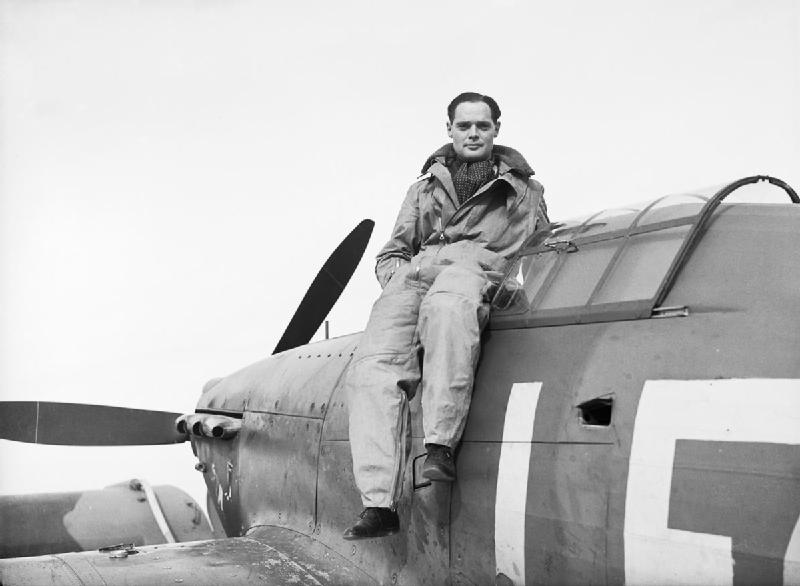
the ranks. Douglas Bader sitting on his Hawker Hurricane via commons.wikimedia.orgHe
was assigned to be the Squadron Leader for the No. 242 Squadron RAF,
which flew the Hawker Hurricane and was comprised mostly of Canadians.
This squadron would play a pivotal role in the Battle of Britain as
their Hurricanes took to the skies to defend Britain against the
onslaught of the constant German bombing of both civilian and military
targets.
In
December of 1940, he was awarded the Distinguished Flying Cross for his
actions during the Battle of Britain. He would then be assigned as wing
commander for squadrons tasked with taking the fight to the Germans.
Bader’s units would conduct bomber escorts over Western Europe in an
attempt to draw out and kill the Luftwaffe. Bader would continue to
raise his kill count that now topped 20, and he gained attention as a
national icon during the war.
The RAF brass considered pulling
Bader from operational duty due to his status and insistence on inviting
danger, but it doesn’t appear anyone wanted to have that conversation
with the outspoken pilot. Between March and August of 1941, Bader
conducted 62 fighter missions over France with unparalleled success.
However, his streak of luck would come to an end on August 9th, 1941.
A POW Who Wouldn’t Stay Put
In
August of 1941, Bader was conducting a mission over France when his
plane was taken out. Accounts conflict as to whether he collided with
an enemy bomber was shot down by an enemy fighter, or even shot down by
friendly fire. However, Bader would find himself attempting to bail out
when one of his prosthetic legs became trapped in the Spitfire.
Falling for some time, he eventually released the parachute where the
force ripped the straps of the prosthetic leg off.
After
landing with just one leg intact, Bader was captured by the Germans.
Perhaps due to his reputation, the Germans actually treated Bader with a
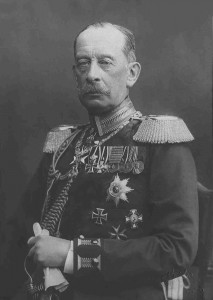
certain amount of respect. German flying ace General Adolph Galland
actually notified the British command about Bader’s missing leg and
arranged a lane of safe passage to parachute down a new leg for him.
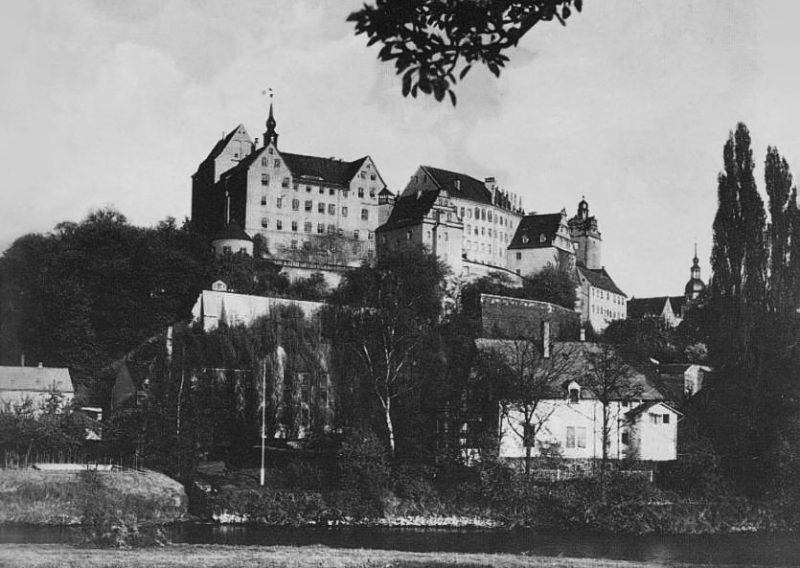
On August 19th, 1941 the British parachuted down a new leg. Picture of Colditz Castle used as a German POW camp via commons.wikimedia.orgWith
this new found mobility, Bader did all he could to make life hard on
his German captors as he saw it his duty to continue the fight as a
POW. He escaped from the hospital by tying bedsheets together and
making a rope down the side of the building.
Once in a POW camp,
he made so many escape attempts that the Germans threatened to take away
his legs. He was finally sent to Colditz Castle, which was deemed to
be escape proof in 1942. There he remained until the allies liberated
him on April 15th, 1945.
A fascinating war experience
for a man who was defiant from beginning to end and did it all missing
two legs. In a final act of victory and defiance to adversity, Bader
was given the honor of leading a victory flypast of 300 aircraft over
London in June of 1945.
It is a story that warrants a unique place
in the historical as well as for each of us to look down at our
functional legs and ask what is holding us back from making our own
chapter in history.
www.warhistoryonline.com
Many
probably don’t realize that what they’ve learned about history,
especially when it comes to WWI, is not necessarily true. Here are the
top 10 misconceptions about WWI:
The Schlieffen plan allowed Germany to invade Belgium and France
Von Schlieffen, who gave his name to the German invasion plans.Although
it is true that the Germans intended to use what was called the
Schlieffen plan, in practice, the plan was changed by the strategy of
Helmuth von Moltke. Keeping the right flank strong was the focus of
Schlieffen’s strategy, which would demolish the Allied forces in the
north while luring the French into undefended German territory and
directly into envelopment from the strong right flank.
Moltke,
however, drew forces away from the right flank to reinforce German
territory and defend it from an attack from the west, which divided
forces into two weaker flanks instead of one strong one.
The Battle of Crete (German: Luftlandeschlacht um Kreta; Greek: Μάχη της Κρήτης)
was fought during World War II on the Greek island of Crete. It began
on the morning of 20 May 1941, when Nazi Germany launched an airborne
invasion of Crete under the code-name Unternehmen Merkur (Operation Mercury). Greek and Allied forces, along with Cretan civilians, defended the island.
After
one day of fighting, the Germans had suffered very heavy casualties,
the Allied troops were confident that they would prevail against the
German invasion. The next day, through miscommunication and the failure
of Allied commanders to grasp the situation, Maleme airfield in western
Crete fell to the Germans, enabling them to fly in reinforcements and
overwhelm the defenders. The battle lasted about 10 days.
The Battle of Crete was unprecedented in three respects: it was not only the first battle where the German paratroops (Fallschirmjäger)
were used on a massive scale, but also the first mainly airborne
invasion in military history;the first time the Allies made significant
use of intelligence from the deciphered German Enigma code; and the
first time invading German troops encountered mass resistance from a
civilian population. Because of the heavy casualties suffered by the
paratroopers, Adolf Hitler forbade further large-scale airborne
operations. However, the Allies were impressed by the potential of
paratroopers and started to build their own airborne formations.
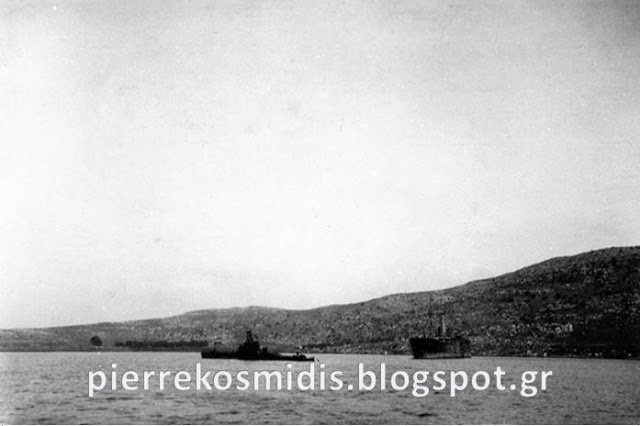
In this rare and previously unpublished photo, dated April 1941, HMS Rover is seen in Souda Bay, CreteFew
are aware of the fact that Souda Bay in Crete, a large naval base used
by the British in early WW2, is in a way similar to Pearl Harbor, Scapa
Flow, and Truk Lagoon.
Used
as an allied naval base, Souda was the target of both Nazi German as
well as Fascist Italy raids in the early part of WW2, which resulted in a
large number of shipwrecks, axis aircraft shot down and extensive
damage in the facilities around Souda.