
Αναλύσεις και σχόλια για Ιστορία, Εξ. πολιτική και άλλα ζητήματα
Τετάρτη 12 Οκτωβρίου 2016
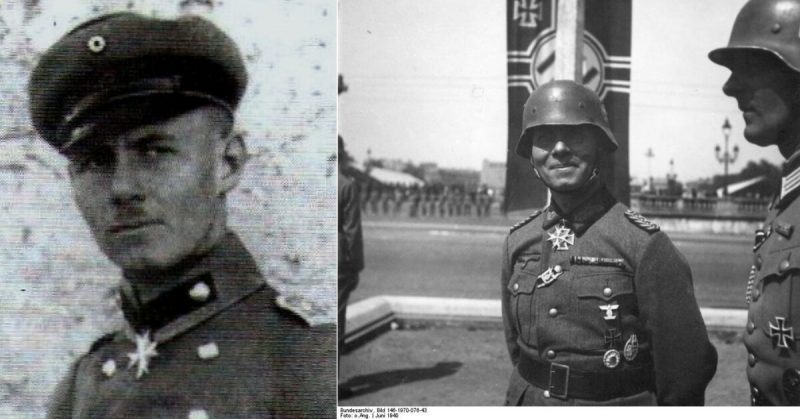
How Erwin Rommel Earned Germany’s Highest Honor, as a Mere Lieutenant!


Τρίτη 11 Οκτωβρίου 2016
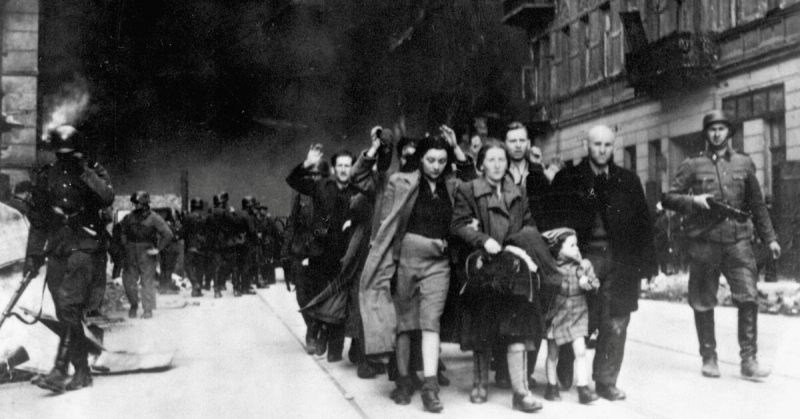
These Jews Took Up Arms Against Nazi Germany & Fought Back Without Hope
SHARES
| FacebookTwitter |
Yet in one ghetto, the Jewish residents held within its walls refused to accept the terrible fate the Germans planned for them. In 1942, Warsaw Ghetto decided to fight back against the execution of its people, and the Warsaw Ghetto uprising became the largest revolt of Jewish people to occur during World War II.
Unfortunately, the uprising led to the total destruction of the ghetto and the deaths of so many of its residents – but before its buildings burned and smoke filled the streets, its people made history.
Δευτέρα 10 Οκτωβρίου 2016
The Revolutionary War Veterans Who Lived Long Enough To Have Their Pictures Taken
Photography was invented in the 1820s and 1830s, and the Revolutionary War ended decades before, in 1783. This meant that most Revolutionary War veterans didn’t live long enough to have their photographs taken. That being said, there were a few war veterans who did live long enough to be immortalized in portraits.
In 1864, a full 81 years after the war ended, Reverend E. B. Hillard and two photographers went to New England to interview and photograph the six men known to have survived. All of the veterans were over 100 years old. These amazing photographs were made into a book called The Last Men of the Revolution. This is a fascinating look into history that we’re lucky to have.
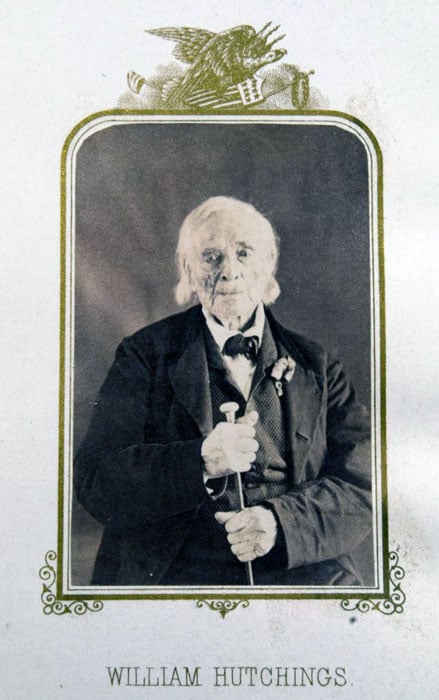
WILLIAM HUTCHINGS
Κυριακή 9 Οκτωβρίου 2016
VB-107 Attacks U-848 Off Ascension Island, South Atlantic
wwii0202.jpg

Caption:
U-848
is bracketed by five depth charges dropped by United States Navy PB4Y-1
Privateer "107-B-4" flown by Lieutenant Samuel K. Taylor of Patrol
Bombing Squadron VB-107. Lieutenant Taylor attacked from seventy feet
(21 meters) at 225 knots (415 kilometers per hour). This ninth attack in
one day on U-848 was followed by another run by Lieutenant Taylor, who
destroyed the U-Boat with two depth charges. U-848, a Type IXd2 U-Boat,
was commissioned on February 20, 1943 under the command of
Korvettenkapitan Wilhelm Rollman (August 5, 1907 - November 5, 1943).
Rollman was a U-Boat ace who sank over 100,000 tons while the commander
of U-34.
Σάββατο 8 Οκτωβρίου 2016
Oh Yes! Inside the Panzer VII Maus – It Has a Massive 44 Litre Engine!
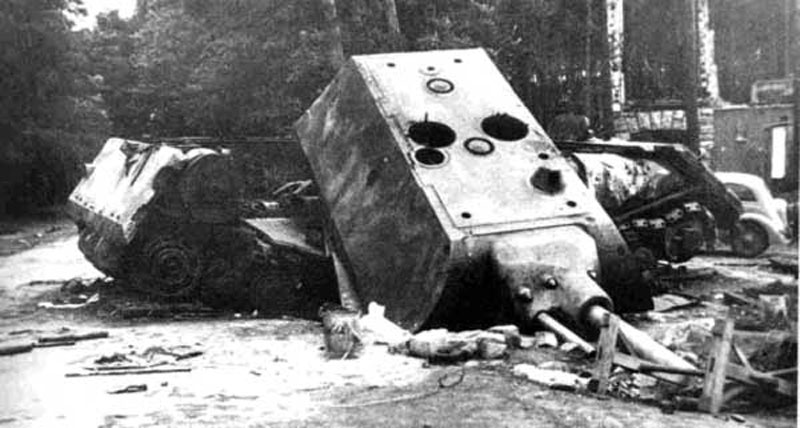
These two prototypes – one with, one without turret – underwent trials in late 1944. The complete vehicle was 33 ft 6 inches long, 12 ft 2 inches wide, and 11.9 ft high. Weighing 188 metric tons, the Maus’s main armament was the Krupp-designed 128 mm gun. This 128 mm gun was powerful enough to destroy all Allied armored fighting vehicles then in service, some at ranges exceeding 3,800 yards.
Παρασκευή 7 Οκτωβρίου 2016
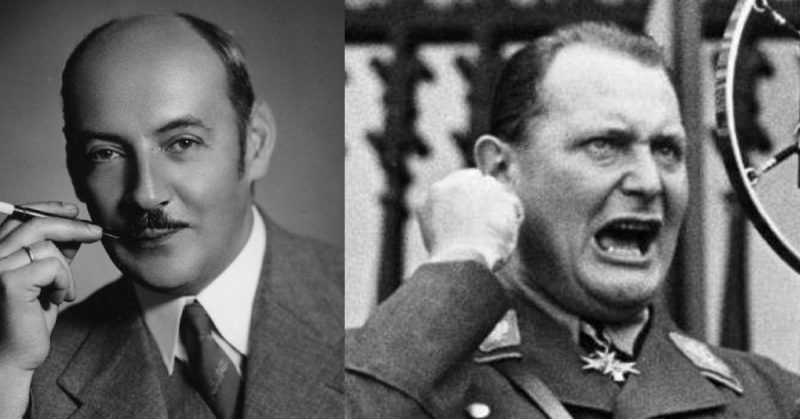
While His Maniac Brother was Busy Killing Jews, Albert Goring Worked Tirelessly to Save Them
Πέμπτη 6 Οκτωβρίου 2016
German Ace Stumbled Across a Crippled a B-17 and Escorted It Back to England. The Pilots Are Friends Now!
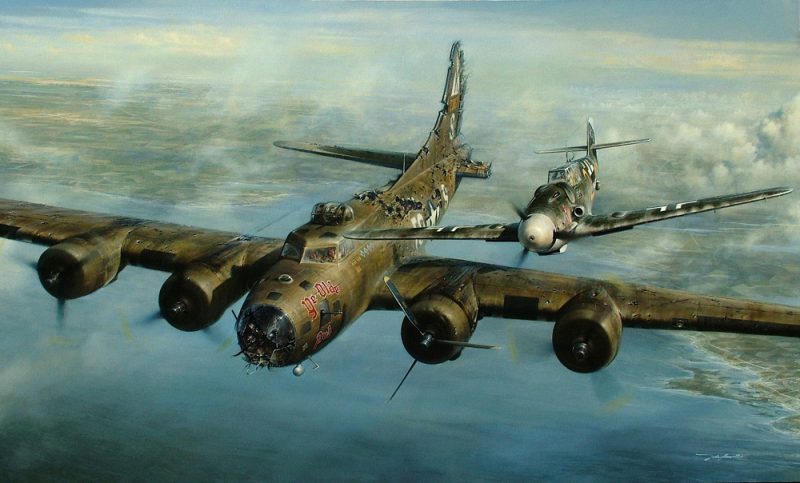
Charlie Brown of the USAAF was a Lt. flying his first mission as an aircraft commander flying a B-17, “Ye Olde Pub” on a bombing run over Bremen. Brown’s bomber occupied the especially dangerous left of the formation, sometimes called the Purple Heart Corner. Bremen was defended by a large contingent of fighters and well-manned flak guns. Two B-17s were quickly struck by heavy flak, and many went down. Brown’s bomber was hit at least once in the left wing. The crew had to shut down an engine which took them out of the formation. Soon they were met by about eight enemy fighters.
The B-17 was sometimes referred to as the flying porcupine and Ye Olde Pub sure lived up to The name. the gunners took out at least one of the fighters and as many as three, all on their own. The remaining fighters were still able to take the fight to the bomber, however, and bullets tore through Ye Olde Pub.
Τετάρτη 5 Οκτωβρίου 2016
This Rogue Nazi General Committed High Treason To Stop The Reign of Terror in Croatia
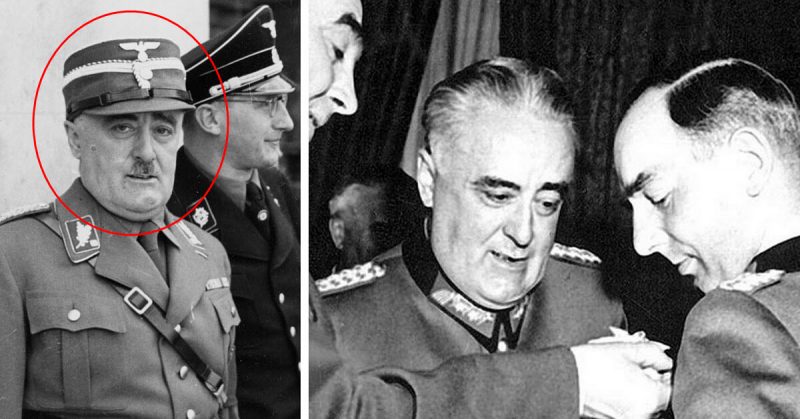 One man in particular fought back from within the Nazi Party, reporting its atrocities and plotting to bring them down from the inside. That man was Edmund Glaise-Horstenau, a general within the Austrian military and respected Nazi leader. Though so many of his fellow Nazis facilitated the concentration camps and various other horrors conducted during the war, Glaise-Horstenau did not – he wanted the reign of terror to end, even if he had to die to make this dream a reality. |
Τρίτη 4 Οκτωβρίου 2016
The Black Dispatches From the Civil War Spies
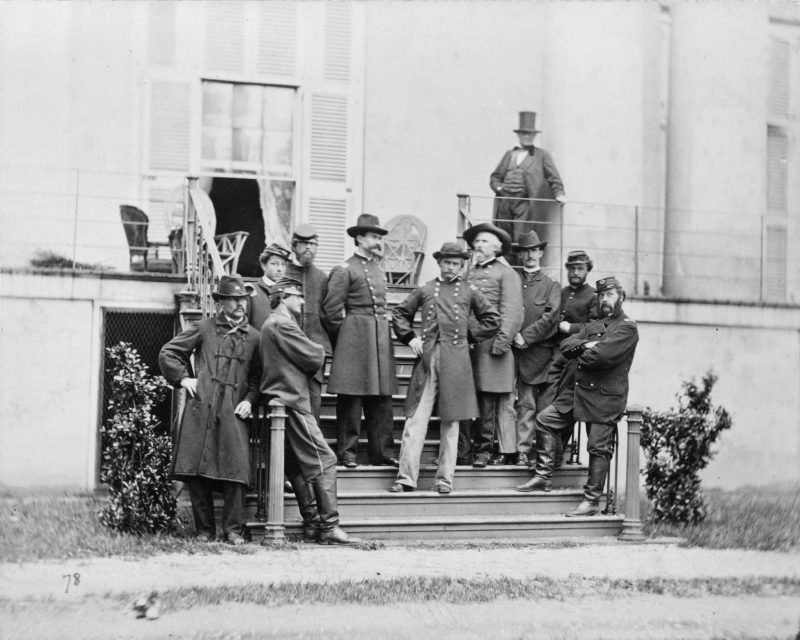
The black men and women that provided information to the Union did so at extreme peril and risk that they would never outlive, even long after the war was over. They did this gambling that the pay-off would be winning the war and trusting that they would hopefully gain their freedom. There would be no accolades or acknowledgment. Such attention, even long after the South fell, would put them in danger of retaliation from disgruntled former Confederates.
Δευτέρα 3 Οκτωβρίου 2016
Made from parts from B-25s, B-29s & a Waco glider, we give you the ‘Flying Crane’
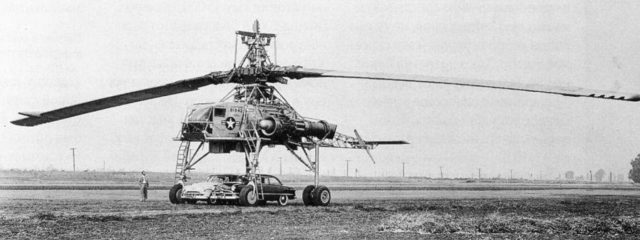
Scroll down for video
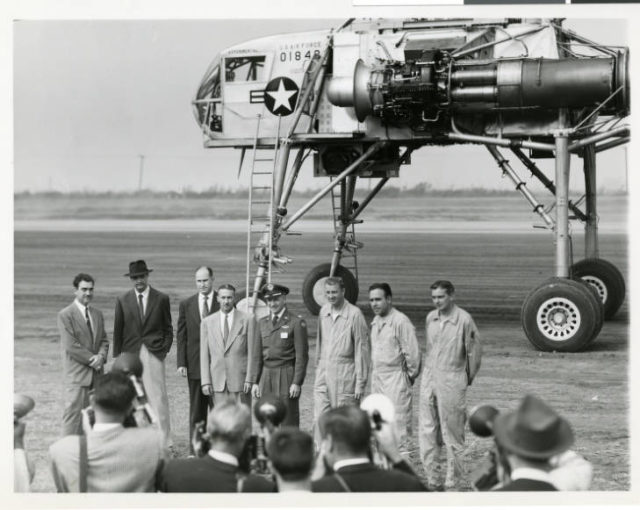
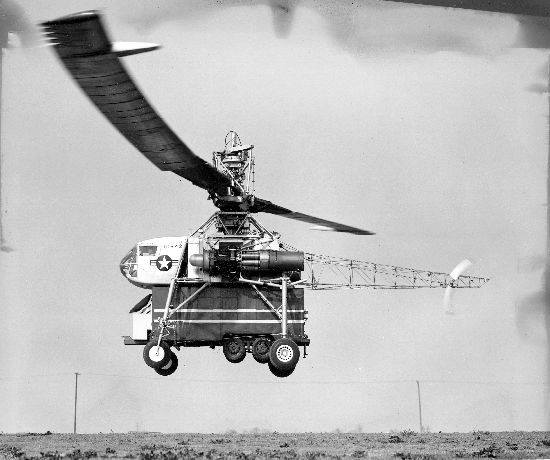
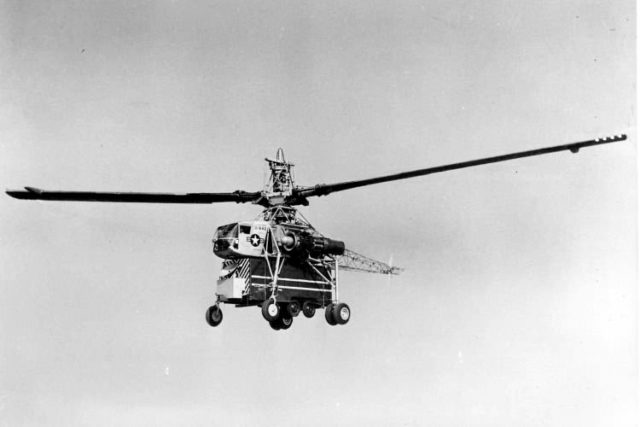
The prototype was finished in 1949, ahead of schedule and one of the reasons being that it was made from parts poached from WWII warbirds. The XH-17 was a heavy-lift rotorcraft that was designed to lift loads in excess of 15 metric tons.To speed construction, parts of the XH-17 were scavenged from other aircraft. The front wheels came from a B-25 Mitchell and the rear wheels from a C-54 Skymaster. The fuel tank was a bomb bay-mounted unit from a B-29 Superfortress. The cockpit was from a Waco CG-15and the tail rotor from a Sikorsky H-19 was used for yaw control.
In the late 1940s, Hughes developed an interest in helicopters. In August 1947, helicopter manufacturer Kellett sold his design for the giant XH-17 Sky Crane to Hughes, who commissioned the development of the XH-17 Flying Crane research vehicle. In 1948, the XH-17 began to take shape. The giant helicopter was tested in Culver City, California over a three-year period beginning in 1952. The XH-17 flew in 1953 at a gross weight in excess of 50,000 pounds (23,000 kg). It still holds the record for flying with the world’s largest rotor system. Only one unit was built, since the aircraft was too cumbersome and inefficient to warrant further development.
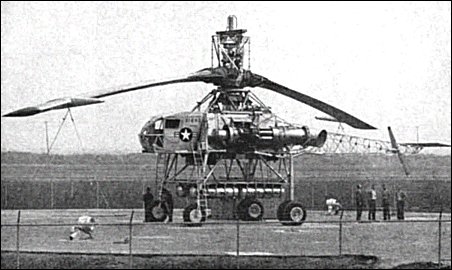
Weight fully loaded: 52,000 lb
Cruising speed: 60 mph
Range: 40 miles
Number of seats: 2. source
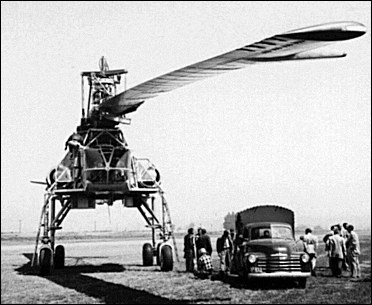 The XH-17 employed an unusual gas-turbine and rotor-tip combustion combination to provide power to spin the gigantic rotors.
Thus, the XH-17 had a very small tail rotor compared to its main rotor. This drive system was inefficient, limiting the test aircraft to a range of only 40 miles. Finally, having received the Air Force serial 50-1842, the XH-17 was first flown by Gale Moore at Culver City on 23 October, 1952. That flight, however, had to be cut short after the XH-17 had been airborne for barely a minute as directional control forces were excessive. While correction of this deficiency could be made quickly, difficulties uncovered later in the trials required more time. In particular, high vibratory stresses in the main rotor blades were difficult to correct and the XH-17 was repeatedly grounded while modifications were incorporated. The off and on test programme ended when the rotor blades reached their design life in December 1955 writes aviastar.org
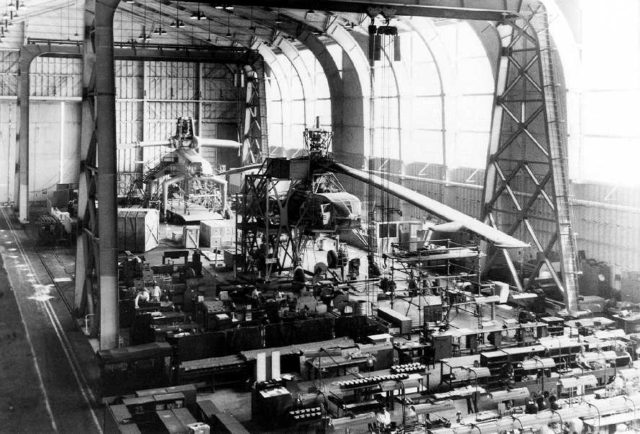
In the end it became a bit of an engineering cul-de-sac. One derivative, the XH-28, an even larger version, was proposed. But it never got further than a wooden mock-up. The sole XH-17 prototype was eventually scrapped, and sadly nothing remains of this unusual giant except for photos and some video footage.

Κυριακή 2 Οκτωβρίου 2016
Η Ελλάδα στο χάρτη του Ισλαμικού Χαλιφάτου
Δείτε τι τύπωσε και μοίρασε στους «μαχητές» του το «Ισλαμικό Κράτος» -
Με μαύρο χρώμα αποτυπώνονται οι περιοχές που θεωρεί το ISIS ότι θα
πρέπει να εμπεριέχονται στην ίδρυση ενός μελλοντικού ισλαμικού
χαλιφάτου.
Ντοκουμέντο: Ο χάρτης που τύπωσε και μοίρασε στους «μαχητές» του το «Ισλαμικό Κράτος» και κυκλοφόρησε στο Διαδίκτυο. Με μαύρο χρώμα αποτυπώνονται οι περιοχές που θεωρεί το ISIS ότι θα πρέπει να εμπεριέχονται στην ίδρυση ενός μελλοντικού ισλαμικού χαλιφάτου. Μεταξύ αυτών των περιοχών συμπεριλαμβάνονται τόσο η Ελλάδα όσο και η Κύπρος. Τα σύνορα του χαλιφάτου φτάνουν μέχρι τον Ατλαντικό στα δυτικά, έως την Αυστρία στα βόρεια, συμπεριλαμβάνουν ολόκληρη την Αφρική βόρεια της Σαχάρας, την Αραβική Χερσόνησο, την Ινδία, μέρος της Κίνας και το σύνολο των χωρών των λεγόμενων τουρκόφωνων περιοχών της Ασίας
Made from parts from B-25s, B-29s & a Waco glider, we give you the ‘Flying Crane’
Scroll down for video
The prototype was finished in 1949, ahead of schedule and one of the reasons being that it was made from parts poached from WWII warbirds. The XH-17 was a heavy-lift rotorcraft that was designed to lift loads in excess of 15 metric tons.To speed construction, parts of the XH-17 were scavenged from other aircraft. The front wheels came from a B-25 Mitchell and the rear wheels from a C-54 Skymaster. The fuel tank was a bomb bay-mounted unit from a B-29 Superfortress. The cockpit was from a Waco CG-15and the tail rotor from a Sikorsky H-19 was used for yaw control.
In the late 1940s, Hughes developed an interest in helicopters. In August 1947, helicopter manufacturer Kellett sold his design for the giant XH-17 Sky Crane to Hughes, who commissioned the development of the XH-17 Flying Crane research vehicle. In 1948, the XH-17 began to take shape. The giant helicopter was tested in Culver City, California over a three-year period beginning in 1952. The XH-17 flew in 1953 at a gross weight in excess of 50,000 pounds (23,000 kg). It still holds the record for flying with the world’s largest rotor system. Only one unit was built, since the aircraft was too cumbersome and inefficient to warrant further development.
Weight fully loaded: 52,000 lb
Cruising speed: 60 mph
Range: 40 miles
Number of seats: 2. source
The XH-17 employed an unusual gas-turbine and rotor-tip combustion combination to provide power to spin the gigantic rotors.Thus, the XH-17 had a very small tail rotor compared to its main rotor. This drive system was inefficient, limiting the test aircraft to a range of only 40 miles. Finally, having received the Air Force serial 50-1842, the XH-17 was first flown by Gale Moore at Culver City on 23 October, 1952. That flight, however, had to be cut short after the XH-17 had been airborne for barely a minute as directional control forces were excessive. While correction of this deficiency could be made quickly, difficulties uncovered later in the trials required more time. In particular, high vibratory stresses in the main rotor blades were difficult to correct and the XH-17 was repeatedly grounded while modifications were incorporated. The off and on test programme ended when the rotor blades reached their design life in December 1955 writes aviastar.org
In the end it became a bit of an engineering cul-de-sac. One derivative, the XH-28, an even larger version, was proposed. But it never got further than a wooden mock-up. The sole XH-17 prototype was eventually scrapped, and sadly nothing remains of this unusual giant except for photos and some video footage.
Σάββατο 1 Οκτωβρίου 2016

P.1000 Ratte – Was It a Paper Tiger or a Nazi Super tank?
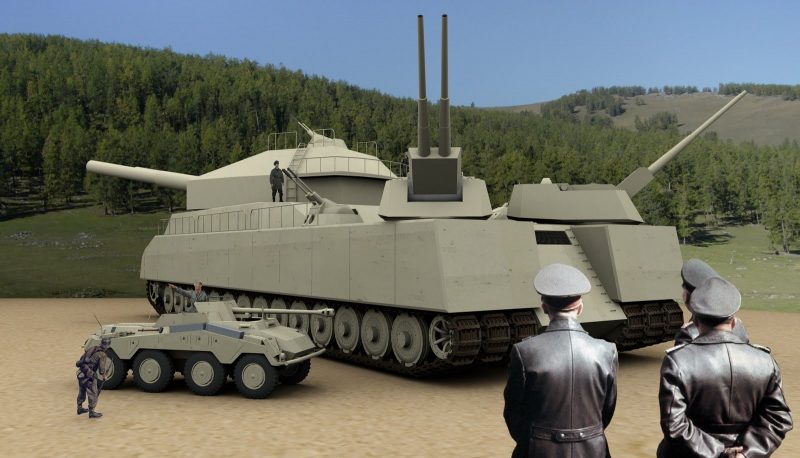
It was supposed to be more than five times heavier than its predecessor, Panzer VIII Maus, a super tank, built in late 1944. About 1,000 metric tons was the predicted weight, 35 meters long, 11 meters high and 14 meters wide it was to be the biggest land war machine ever created.




Παρασκευή 30 Σεπτεμβρίου 2016
CHINA
Ο Christos Voulgaris κοινοποίησε τη δημοσίευσή του.

To gain an edge here on Earth, China is pushing ahead in space
popsci.com
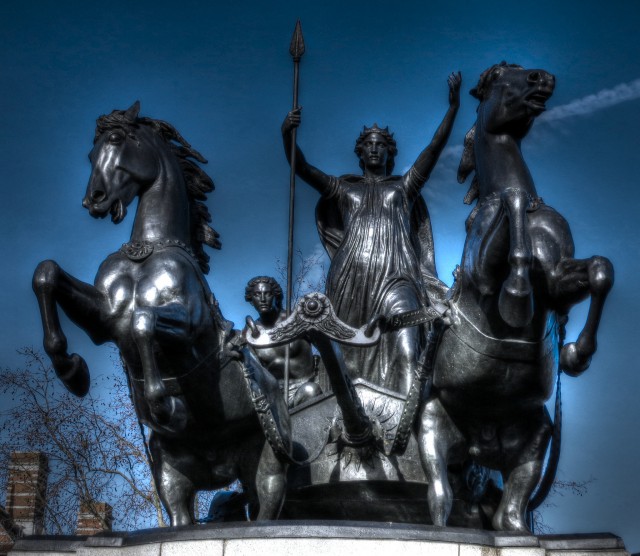
9 Reasons Why Boudica Almost Kicked The Romans Out Of Britain
Weak Initial Response
Πέμπτη 29 Σεπτεμβρίου 2016
The U.S. Army Wanted Its Own Jump Jets
But the Air Force intervened

by JOSEPH TREVITHICK
When
one thinks of the U.S. Army, one generally doesn’t think of squadrons
of jets flying around the battlefield. But at the height of the Cold
War, the ground combat branch had its sights set on buying a fleet of
jump jets.
Though
the Pentagon turned the U.S. Air Force into a separate service shortly
after World War II, its ground-pounding cousins remained interested in
helicopters and other flying machines. A decade later, Army aviators
were hard at work with aircraft makers to cook up special craft that
could land and take off like helicopters, but fly like normal planes.
“While
the 1947 National Security Act created an independent United States Air
Force, this did not halt the expansion of Army organic aviation, or the
Army’s increasing use of the helicopter,” Dr. Ian Horwood wrote in Interservice Rivalry and Airpower in the Vietnam War.
“[But] in the early 1950s, such ‘convertiplanes’ appeared to offer more
potential for Army surveillance and air mobility tasks than
helicopters.”
In the end, the Air Force scuttled the plans — and buried decades of work.


By
1950, the idea of combining features from helicopters and traditional
aircraft was hardly new. Spanish engineer Juan de la Cierva invented the
autogyro, which blends a free-spinning rotor and a conventional
forward- or rear-mounted engine, nearly three decades earlier.
As
world settled into the Cold War, major air arms became fascinated by
the idea a jump jet that wouldn’t necessarily need a long runway. During
World War II, Allied forces bombarded Nazi Germany’s air bases and
limited the Luftwaffe’s ability to fight back.
On
both sides of the Iron Curtain, military commanders realized that
nuclear war would only speed up the destruction of normal airstrips. By
the time Berlin fell, Hilter’s weaponeers had already started work on
various alternatives, such as rocket planes that could shoot straight up
into the sky from a small launch rail right into enemy bomber
formations
Τετάρτη 28 Σεπτεμβρίου 2016
7 Conflicts That Happened After the Fall of USSR

Some of the conflicts were motivated by ethnic and religious differences, while others were triggered by historical disputes that had been haunting the regions throughout the 20th century. Furthermore, the power vacuum created by the fall of the centralized government reflected in the rise of new political elites, nationalism and crime. We offer you an overview of the conflicts that shaped the territories of the former Soviet Union.
Τρίτη 27 Σεπτεμβρίου 2016
Τranslated Ancient Egyptian texts reveal family disputes and domestic concerns, just like modern times
 A part of the 'Book of the Dead' funerary text.
In contrast to their ancient Greek and Roman counterparts, the
ancient Egyptian texts are generally not accessible to the public, on
account of lack of translated works. But a Cambridge academic and
Egyptologist, Toby Wilkinson has sought to redress this ‘historical’
issue, with his compiled work that translates many of the hieroglyphic
writings (from rock faces and papyri) into modern English. In that
regard, while ancient Egypt tends to fuel our reveries of massive
pyramids, monumental temples and ostentatious pharaohs, Wilkinson’s work
reflects the more relatable ‘humane’ side of affairs in the ‘land of
the Nile’. Simply put, beyond grand facades, his translations mirror how
the ancient Egyptians viewed life and expressed their insights (and
tribulations) through their rich tradition of writing for over 3,500
years.
As Wilkinson made it clear –
As Wilkinson made it clear –
What will surprise people are the insights behind the well-known facade of ancient Egypt, behind the image that everyone has of the pharaohs, Tutankhamun’s mask and the pyramids.For example, one of the translation collections, titled aptly as The Will of Naunakht, tells the story of an elderly Egyptian woman and her will. Reflecting the relatively high social and economic status of most free women in Egyptian society, Naunakht decided how not all of her eight children would be recipients of her estate. In other words, some of the children were disinherited due to their lack of caring shown to her in her old age. From the historical angle, Naunakht probably lived in Thebes during the late New Kingdom period, and she was married twice – first to a scribe and then to a tomb worker. Her last will was drawn in November of 1147 BC. A part of it proudly reads –
Εγγραφή σε:
Σχόλια (Atom)