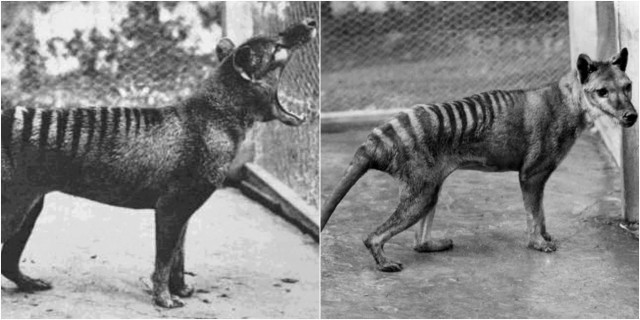
Thylacine, commonly known, as the Tasmanian tiger
(because of its striped lower back), once native to continental
Australia, Tasmania, and New Guinea, it is believed to have become
extinct in the 20th century.
Surviving
evidence suggests that it was a relatively shy, nocturnal creature with
the general appearance of a medium-to-large-size dog, except for its
stiff tail and abdominal pouch (which was reminiscent of a kangaroo) and
a series of dark transverse stripes that radiated from the top of its
back (making it look a bit like a tiger). Like the tigers and wolves of
the Northern Hemisphere, from which it obtained two of its common names,
the thylacine was an apex predator.
The royal city of Amarna was a relatively ‘new’ settlement if
viewed from the perspective of Ancient Egyptian history. Built almost
1,200 years after the Great Pyramid (circa 1346 BC), the entire city was
actually constructed on a virgin site, on the orders of the Pharaoh
Amenhotep IV – who was later known as Akhenaten. And while this
urban scope was situated almost midway between Cairo (Giza) and Luxor,
on the east bank of the Nile River (presently in the Egyptian province
of Minya), the city both inspired and instigated various sections of the
Egyptian elite – since it was dedicated to Aten, a solar deity
who was proclaimed by the Pharaoh to be above the other Egyptian gods.
In essence, Akhenaten declared a monotheistic (or possibly henotheistic)
mode of religious affiliation across all of Egypt, with the worship
centered around Aten. Such a radical promulgation had deep reaching
effects in the Egyptian society, and ultimately resulted in
counter-implementations of the traditional pantheon system – with the
legacy of Akhenaten being intentionally wiped out by his successors after the defiant pharaoh’s death.
A weapon hunt has ultimately led to what is termed as a
‘priceless’ archaeological discovery (of a different kind). In a recent
effort from the Italian police to search and locate an illegal stash of
weapons inside a house near the Sicilian city of Enna, officers came
across a hoard of artifacts all neatly packed in cardboard boxes and
plastic crates. According to later assessment, all of these antediluvian
objects – totaling around 254 pieces, date from between the 5th – 2nd
centuries BC, thus suggesting their origins in Magna Graecia, a
conglomeration of originally Greek settlements (later Romanized)
situated by the coastline of southern Italy.
Among the ‘unforeseen’ find, the officers identified variant
artifacts, ranging from vases, oil lamps to terracotta figures.
Interestingly enough, preliminary analysis has revealed some degree of
salt incrustation on their surfaces, which alludes to how they were
possibly snatched from beneath the seas. Simply put, they were probably
smuggled after being located underwater, to be ultimately sold in the
antiques black market. In fact, the house itself belonged to a man who
had been previously charged for various felonies. But fortunately
because of the chance discovery, the ancient Greek artifacts are now
handed over to the cultural heritage authority in Enna.
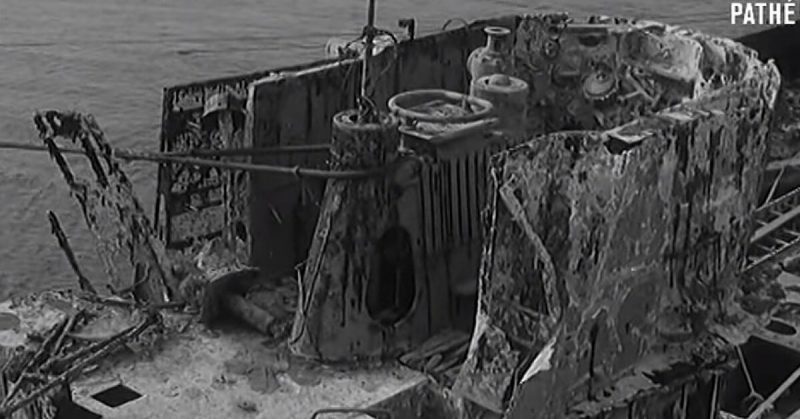
German
submarine U-843 was a Type IXC/40 U-boat. The submarine was laid down
on 21 April 1942 at the DeSchiMAG AG Weser yard in Bremen, launched on
15 December 1942, and commissioned on 24 March 1943 under the command of
Kapitänleutnant Oskar Herwartz.
After
training with 4th U-boat Flotilla in the Baltic Sea, U-843 was
transferred to 2nd U-boat Flotilla on 1 November 1943 for front-line
service, and was transferred to 33rd U-boat Flotilla on 1 October 1944.
She carried out three war patrols, sinking one ship, and was sunk by a
British aircraft in April 1945. In
She carried out three war
patrols, sinking one ship, and was sunk by a British aircraft in April
1945. In 1958 the wreck was raised, and then broken up at Gothenburg.
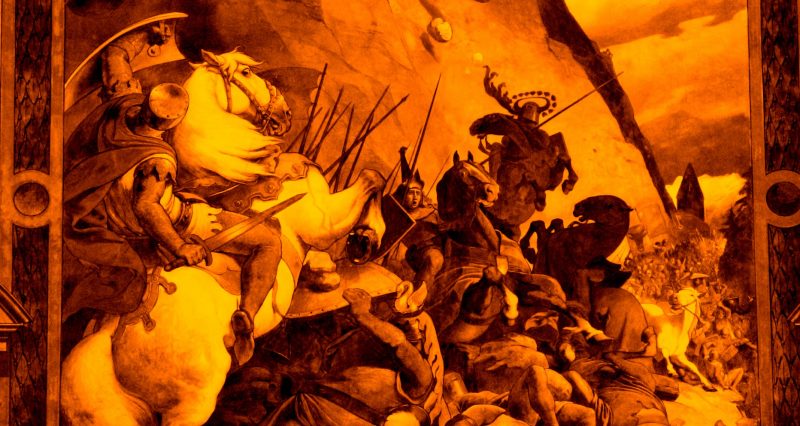
The
supremacy of heavy cavalry and mounted knights on the battlefield came
to an end one cold November morning in 1315, and it began with a single
arrow – a single arrow and a note.
The
letter had been lashed to the shaft with coarse twine, and the arrow
shot from the rocky bluff above the Swiss camp. At the bottom of the
page, the signature of one Henry Huenenberg was printed in black ink.
Perhaps
the Austrian knight was of a remarkably chivalrous disposition, or
perhaps the prospect of crushing an army as small as the Swiss
Confederates’ was beneath him. Whatever his motivation, Sir Henry chose
to deliver a message to his enemies – go home, the letter urged, you cannot win this battle and you cannot win this war.
Το άρθρο που ακολουθεί δημοσιεύτηκε στο τεύχος Μαΐου Ιουνίου 2015 (περίπου ένα χρόνο πριν) του ηλεκτρονικού περιοδικού του Geopolitics and Daily News
——————————————————————————-
«Αν
κάποιος θέλει να προβλέψει το μέλλον, πρέπει να συμβουλευτεί το
παρελθόν, καθώς τα γεγονότα του σήμερα μοιάζουν με του παρελθόντος. Αυτό
συμβαίνει, επειδή δημιουργούνται από ανθρώπους που πάντοτε ωθούνταν και
θα ωθούνται από τα ίδια πάθη και έτσι αναγκαστικά επιφέρουν τα ίδια
αποτελέσματα.» Μακιαβέλι
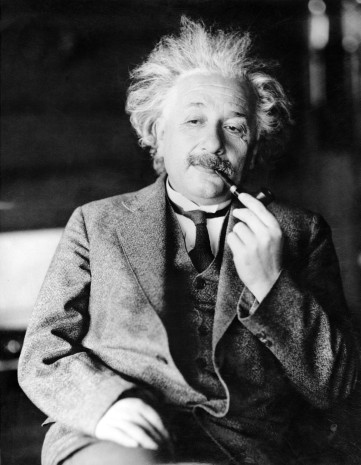
Ο
Άλμπερτ Αϊνστάιν ίσως είναι ο μεγαλύτερος επιστήμονας που γνώρισε ποτέ ο
κόσμος. Βραβευμένος με Νόμπελ και εμπνευστής της θεωρίας της
σχετικότητας πέθανε ακριβώς πριν από 60 χρόνια στις 18 Απριλίου του 1955
σε ηλικία 76 ετών αφού πρώτα έθεσε τις βάσεις της μοντέρνας φυσικής και
αφού άλλαξε την οπτική που είχαμε για το διάστημα, τον χρόνο, την
ενέργεια. Όμως πόσοι ξέρουν ότι ήταν εθισμένος στα τηγανιτά αυγά; Οι παραξενιές
Το μαλλί του τρελού επιστήμονα προέκυψε από την τσιγκουνιά. Ο Αϊνστάιν δεν ήθελε να δώσει λεφτά στον
μπαρμπέρη. Μάταια προσπάθησε η δεύτερη σύζυγός του, η Elsa Loewenthal, η
οποία ήταν και ξαδέλφη του, να τον πείσει να κόψει τα μαλλιά του σε
κουρείο.
Όταν μεγάλωναν πολύ τα μαλλιά του η σύζυγός του δεν το άντεχε και τον κυνηγούσε με ένα ψαλίδι.
Back in March, we talked aboutPalaio Faliro
(or Παλαιόν Φάληρον, translated to ‘ Old Phalerum’) – the ancient port
city of Athens, which is also known for its extensive network of old
graves that contain around 1,500 skeletons. And the researchers were
seriously puzzled by the discovery of skeletons that were shackled and
unceremoniously deposited in mass graves. Well now a team led by Stella
Chrysoulaki, an archaeologist at the Department of Antiquities of the
Hellenic Ministry of Culture in Greece, may have some answers regarding
the presence of these grisly evidences inside the cemetery compound. To
that end, some of these shackled skeletons might have belonged to the
supporters of Cylon, a tyrant who tried to overthrow the leader of
ancient Greece as part of a coup in 632 BC.
Γράφει ο Γιάννης Σιατούφης
Πριν εκπνεύσει ο 7ος αιώνας μ.Χ. μία νέα θρησκεία
ιδρύεται, το Ισλάμ, διακριτή από τον Ιουδαϊσμό και το Χριστιανισμό. Οι
αραβικές πηγές που αφηγούνται τη ζωή του Μωάμεθ είναι μεταγενέστερες.
Για παράδειγμα ο πρώτος βιογράφος του Προφήτη έγραψε γι’ αυτόν έναν
αιώνα μετά το θάνατό του.
Το πιο ασαφές κομμάτι της ζωής του Μωάμεθ είναι τα πρώτα χρόνια της
ζωής του. Αναφέρεται ότι γεννήθηκε στη Μέκκα, μια πόλη της δυτικής
Αραβίας, μάλλον το 570 μ.Χ. . Η οικογένειά του ανήκε στη φυλή των
Κουραΐς, των οποίων τα μέλη ήταν έμποροι που είχαν συνάψει συμφωνίες με
τις ποιμενικές φυλές γύρω από τη Μέκκα, αλλά είχαν και σχέσεις με τη
Συρία και τη νοτιοδυτική Αραβία. Λέγεται μάλιστα ότι συνδεόταν με το
ιερό της πόλης Κάαμπα, όπου φυλάσσονταν οι εικόνες των τότε τοπικών
θεών.
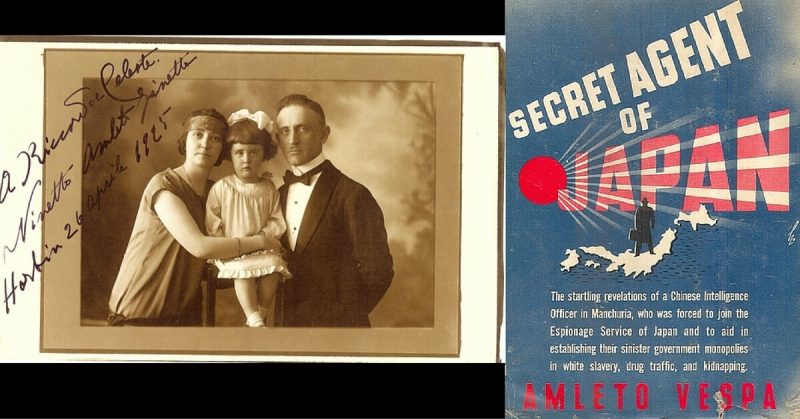
Amleto
Vespa was one of the genuine adventurers of the first half of the
twentieth century. It is important to stress that almost all sources of
Vespa’s life come from his sensationalist autobiography titled Secret Agent of Japan: A Handbook to Japanese Imperialism that
was published in 1938. The book is to be read with some caution, but
nevertheless brings an interesting insight into the relationship between
crime and the secret services during the Japanese occupation of China.
Born
to a poor Italian family in L’Aquilla, Abruzzo region, he abandoned his
family home to become a soldier of fortune in the Mexican Revolution
where he fought Emiliano Zapata’s rebels. The revolution occurred in
1910 and it lasted for ten years. After Mexico, he embarked on a journey
to China in 1920, where he worked for a Chinese warlord called Zhang
Zuolin. Zhang was indeed a powerful warlord who controlled Manchuria
prior to the Japanese invasion.
By some, Zhang was the link
between China and Japan as he served as a Japanese proxy for their
interests in Manchuria. Apart from Japanese sponsorship, he financed his
war effort through gun running and the drug trade, which became Vespa’s
responsibility.
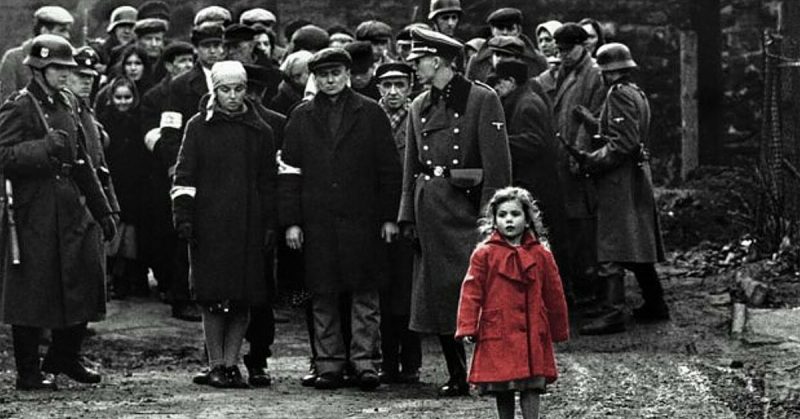
Here are 25 things you probably didn’t know about the making of this cinematic masterpiece:
1.
One of the 1,200 Jews Schindler saved from the Nazi, emigrated to the
United States in 1948. After opening a luggage store in Beverly Hills,
he spent 40 years trying to make a film about his saviour. In 1951 he
approached director Fritz Lang but it didn’t work out. Later on he
convinced Thomas Keneally, an Australian author, to write the novel
“Schindler’s Ark”, in 1982.
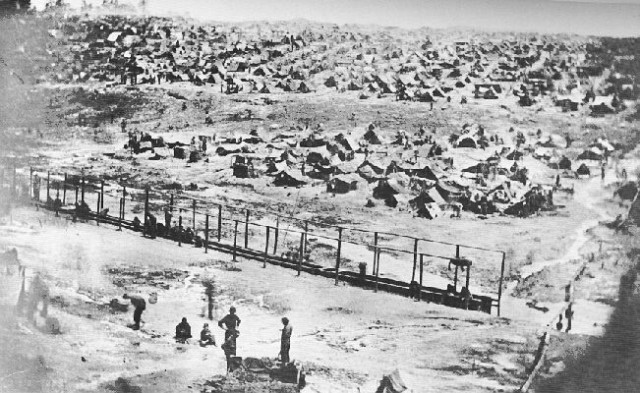
“Hang Him” and “Remember Andersonville” were epithets screamed by former Union prisoners of war at the hanging, on 10th
November 1895, of one of America’s most notorious and controversial
civil war criminals. So who was this devil in disguise? He was
Heinrich Hartmann Wirz, better known as Henry Wirz, the commandant of
the notorious Confederate concentration camp, Camp Sumter, or
Andersonville as it was known to Union soldiers.
Henry
Wirz was born on the 25th of November in 1823 to Caspar Wirz and Sophie
Barbara Philip in Zurich, Switzerland. He was educated to secondary
school level and dreamed of becoming a doctor, but his parents could not
afford the medical school fees, so he became a merchant. In August of
1845, he was sentenced to four years imprisonment for failing to pay his
debts, but was given the option of having his sentence commuted to
twelve years of enforced emigration, which he chose.
Wirz went
first to Russia in 1848 and then in the following year he moved on to
the USA where he held several positions, ending up in Louisiana where he
worked as a plantation overseer and doctor near Fort Levin.
The
newly created AC-130J Ghostrider awaits takeoff for its first official
sortie Jan. 31 at Eglin Air Force Base, Fla. The Air Force Special
Operations Command MC-130J arrived at Eglin in January 2013 to begin the
modification process for the AC-130J, whose primary mission is close
air support, air interdiction and armed reconnaissance. A total of 32
MC-130J prototypes will be modified as part of a $2.4-billion AC-130J
program to grow the future fleet. (U.S. Air Force photo/Sara Vidoni)
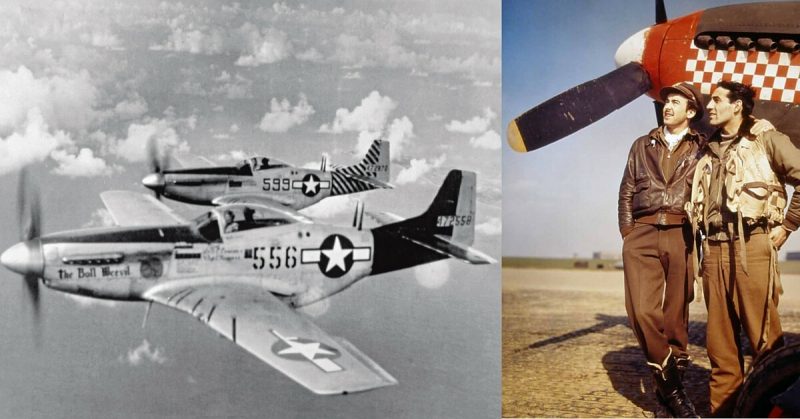
Celebrate 75 years of the iconic World War II warbird that helped win the war and flew into the heart of American life.
From
D-Day to the Battle of the Bulge, through reconnaissance missions and
combat, fighting flying bombs and Me 262 Stormbird jets, P-51 Mustang
pilots saw it all during World War II. P-51 Mustang celebrates the 75th
anniversary of the most iconic American warbird written by Cory Graff,
lead curator at the Flying Heritage Collection–one of the world’s most
important collections and sites for warbird restoration.
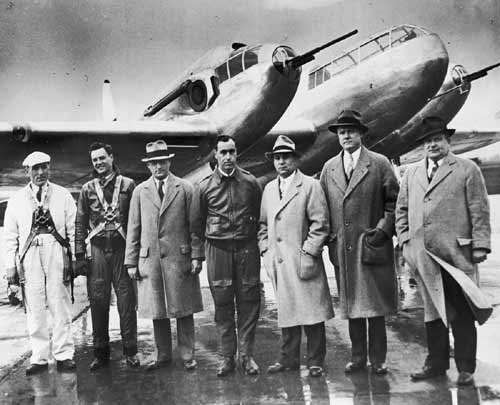
During one of the test flights of the first FM Airacuda, on September 28, 1939 one of the turbo-superchargers exploded. source“Flying
the Bell Airacuda was a new experience for me, since it was the first
pusher aircraft I’d ever flown. Its handling characteristics were
foreign to anything I had ever had my hands on. Under power it was
unstable in pitch, but stable with power off. While flying straight and
level, if a correction in pitch was required, a forward push on the
control resulted in the airplane wanting to pitch over even more. Pitch
control became a matter of continually jockeying the controls, however
slightly, even when the aircraft was in proper trim. The same applied if
pulling back on the control. It would tend to continue pitching up,
requiring an immediate corrective response. The same happened in a turn
with power off, the Bell became stable in pitch. This was fortunate
because during approach and landing, it was very stable, and a nice
flying airplane.” – Test pilot Erik Shilling
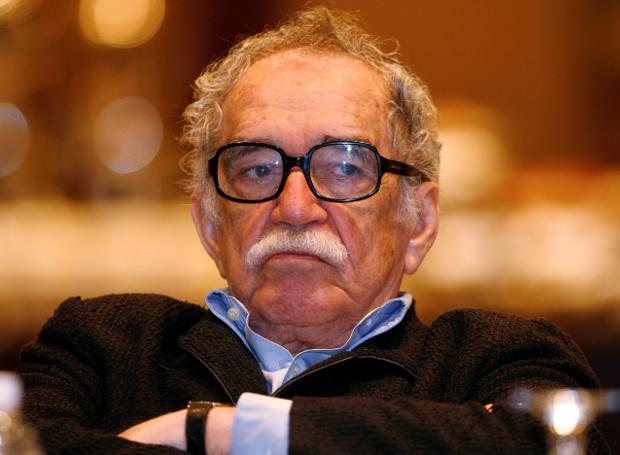
Κολομβιανός
συγγραφέας, δημοσιογράφος και σεναριογράφος. Από τους σημαντικότερους
μυθιστοριογράφους του 20ου αιώνα και ίσως ο σπουδαιότερος συγγραφέας της
ισπανόφωνης λογοτεχνίας μετά τον Θερβάντες. Από τους κριτικούς
εντάσσεται στο λογοτεχνικό ρεύμα του μαγικού ρεαλισμού. Το 1982 τιμήθηκε
με το Νόμπελ Λογοτεχνίας για το αριστούργημά του «Εκατό χρόνια
μοναξιάς».
Ο Γκαμπριέλ Γκαρσία Μάρκες (Gabriel García Márquez) γεννήθηκε στις 6 Μαρτίου
του 1927 στην πόλη Αρακατάκα της Κολομβίας. Ήταν γιος του φαρμακοποιού
Γκαμπριέλ Γκαρσία και της Λουίζα Μάρκες, κόρης στρατιωτικού. Ο μικρός
Γκάμπο, όπως ήταν το χαϊδευτικό του, μεγάλωσε με τον παππού του, τον
συνταγματάρχη Νικολάς Ρικάρντο Μάρκες και τη γιαγιά του Τρανκιλίνα έως
τα δέκα του χρόνια, ακούγοντας τις ιστορίες της γιαγιάς του για
φαντάσματα και τις ατέλειωτες διηγήσεις του παππού του για τους
εμφύλιους πολέμους, ιστορίες που αποτελούν το υλικό των μετέπειτα
μυθιστορημάτων του.
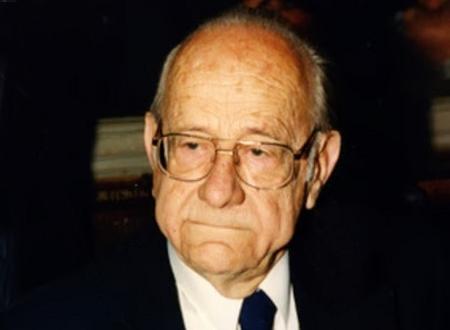
Πολυβραβευμένος
έλληνας ποιητής, με διεθνή αναγνώριση. Στα 70 και πλέον χρόνια της
ενασχόλησής του με την ποίηση, συγκέντρωσε τις περισσότερες ίσως
διακρίσεις, που έχουν δοθεί σε έλληνα ποιητή. Θεωρείται ένας από τους
σημαντικότερους λυρικούς ποιητές της μεταπολεμικής περιόδου. Ο
νομπελίστας Οδυσσέας Ελύτης
τον είχε χαρακτηρίσει «Ευρωπαίο ποιητή μιας σπάνιας ευαισθησίας και
βαθύ γνώστη της λυρικής τέχνης, που αξίζει τον έπαινο, όχι μόνο της
ιδιαίτερης πατρίδας του, αλλά και των καλλιεργημένων ανθρώπων όλου του
κόσμου».
Ο Τάκης Βαρβιτσιώτης γεννήθηκε στις 17 Απριλίου
1916 στη Θεσσαλονίκη. Σπούδασε στη Νομική Σχολή του Αριστοτελείου
Πανεπιστημίου και εργάστηκε ως δικηγόρος. Την πρώτη του ποιητική
εμφάνιση την έκανε σε ηλικία είκοσι ετών, στο πρωτοποριακό περιοδικό
«Μακεδονικές Ημέρες», με την εκδοτική ομάδα του οποίου συνδέθηκε στενά.
Έκτοτε, αφιερώθηκε στην ποίηση με πάθος και συνέπεια.
Φιγούρα
των κινουμένων σχεδίων, που γεννήθηκε στα στούντιο της Warner το 1937.
Πρόκειται για μία υστερική μαύρη πάπια, που έφερε την τρέλα στον κόσμο των καρτούν. Μέχρι τότε, στη θεματική των κινουμένων σχεδίων κυριαρχούσαν καθημερινοί χαρακτήρες, όπως ο Μίκυ Μάους.
Ο
Ντάφυ Ντακ (Daffy Duck) είναι δημιούργημα του μεγάλου αμερικανού
καρτουνίστα Τεξ Έιβερι, που μπόλιασε με τις σουρεαλιστικές πινελιές του
τον μικρόκοσμο των χάρτινων ηρώων. Στο σχεδιασμό του έπαιξε σημαντικό
ρόλο και μια άλλη μεγάλη προσωπικότητα των κινουμένων σχεδίων, ο Μπομπ
Κλάμπετ (Μίκι Μάους, Πόρκι Πιγκ). Τη φωνή του στον ήρωα «δάνειζε» μέχρι το 1989 ο Μελ Μπλανκ (Μπαγκς Μπάνυ), ο κορυφαίος φωνητικός ηθοποιός στις ΗΠΑ.
Ο Ντάφι έκανε το κινηματογραφικό του ντεμπούτο στη μαυρόασπρη ταινία μικρού μήκους του Τεξ Έιβερυ Porky's Duck Hunt, η οποία βγήκε στις αμερικανικές αίθουσες στις 17 Απριλίου
1937. Ο ρόλος του ήταν μικρός, αλλά γρήγορα ξεχώρισε και τα επόμενα
χρόνια ήταν από τους πρωταγωνιστές στις σειρές κινουμένων σχεδίων Loony Tunes και Merry Melodies, ως αντίπαλο δέος του καλοκάγαθου Πόρκι Πιγκ, με τον οποίο αργότερα έγιναν φίλοι.
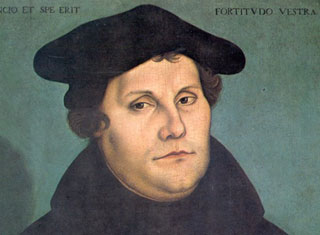
Ο
γερμανός θεολόγος Μαρτίνος Λούθηρος, που με τις 95 θέσεις του χώρισε
την Ευρώπη σε καθολικούς και διαμαρτυρόμενους, αφορίζεται από την
Καθολική Εκκλησία.
Άγγλος
ηθοποιός και σκηνοθέτης του βωβού κινηματογράφου, που απέκτησε διεθνή
φήμη ενσαρκώνοντας τον Σαρλό, και σκόρπισε και σκορπά άφθονο γέλιο σε
μικρούς και μεγάλους.
Ο Τσαρλς Σπένσερ «Τσάρλι» Τσάπλιν (Charles Spencer «Charlie» Chaplin) γεννήθηκε στις 16 Απριλίου
1889 στο Λονδίνο από γονείς θεατρίνους. Τα παιδικά του χρόνια κάθε άλλο
παρά γελαστά κι ευτυχισμένα ήταν. Μετά τον πρώιμο χωρισμό των γονιών
του πέρασε τη νηπιακή ηλικία του ανάμεσα σε μπουλούκια θεατρίνων,
συνοδεύοντας τη μητέρα του στις περιοδείες της ανά την αγγλική
επικράτεια. Όταν, όμως, βρέθηκε ορφανός από πατέρα και με μητέρα άνεργη,
η ζωή του μικρού Τσάρλι άρχισε να μοιάζει ολοένα και περισσότερο
βγαλμένη από τις σελίδες του Ντίκενς. Για να κερδίσει το μεροκάματο της
οικογένειας αυτοσχεδιάζει μικρά χορευτικά στους δρόμους του κακόφημου
Λονδίνου και μαζεύει τις πενταροδεκάρες των περαστικών.
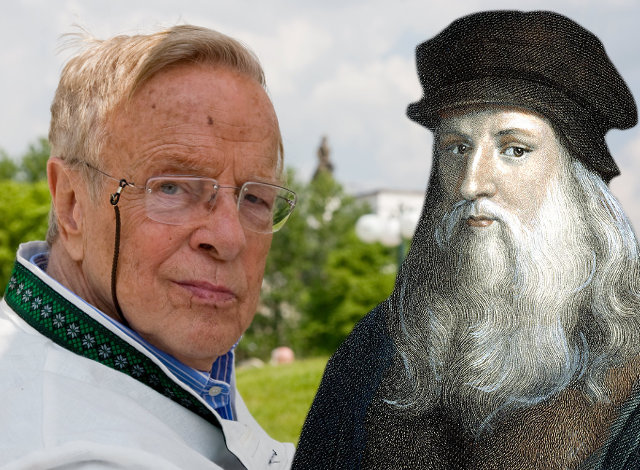
Ιταλοί ερευνητές ισχυρίζονται πως ανακάλυψαν τους ζώντες συγγενείς του σπουδαίου καλλιτέχνη της Αναγέννησης Λεονάρντο ντα Βίντσι.
Παρά
το γεγονός ότι το σώμα του έχει εξαφανιστεί εδώ και αιώνες και δεν
υπήρχε υλικό για DNA, δύο ιταλοί ιστορικοί, ο Αλεσάντρο Βετσόζι και ο
Ανιέζε Σάμπατο, δήλωσαν σε συνέντευξη Τύπου στη Φλωρεντία πως εντόπισαν
τους σύγχρονους συγγενείς του καλλιτέχνη, μηχανικού και μαθηματικού του
15ου αιώνα. Μεταξύ αυτών και ο Ιταλός σκηνοθέτης Φράνκο Τζεφιρέλι.
Η πλήρης έκδοση της ημερομηνίας αυτής περιλαμβάνει 122 Γεγονότα, 35 Γεννήσεις και 19 Θανάτους.
Για να δείτε την πλήρη έκδοση ή να ενεργοποιήσετε τα φίλτρα θα πρέπει πρώτα να συνδεθείτε.
Δεν είστε ακόμα συνδρομητής; Μάθετε περισσότερα!
H Πλήρης Έκδοση διατίθεται και ως eBook στο Κατάστημα!
μ. Χ.
1821
Ο
πλοίαρχος Νικόλαος Παπαδόπουλος Σκλάβος από την Κεφαλλονιά περισυλλέγει
στη θαλάσσια περιοχή της Κωνσταντινούπολης το σώμα του οικουμενικού
πατριάρχη Γρηγορίου Ε', που απαγχονίστηκε με διαταγή του Σουλτάνου στις 10 Απριλίου 1821, ως αντίποινα για τον ξεσηκωμό των Ελλήνων.
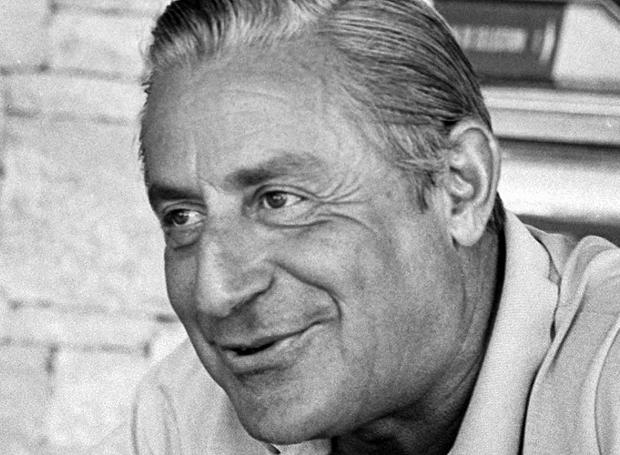
Από
τους δυναμικότερους και πιο επιτυχημένους επιχειρηματίες του 20ου
αιώνα, με διεθνή αναγνώριση και καταξίωση. Εφοπλιστής, από τους
θεμελιωτές του μεταπολεμικού ελληνικού θαύματος στη ναυτιλία. Η
«βεντέτα» του σε προσωπικό και επιχειρηματικό επίπεδο με τον σύγγαμβρό
του Αριστοτέλη Ωνάση τροφοδότησε τις στήλες των εφημερίδων όλου του κόσμου και διαμόρφωσε μέρος του προσωπικό του μύθου.
Recently
in the UK there was a programe on TV that had caused outrage in the
academic world and beyond. Channel 5 had been accused of ‘disrespecting’
the war dead, after it decided to show a controversial TV series that
has already been scrapped for being too distasteful. Nazi War Diggers
was cancelled by the National Geographic channel in 2014, and by Foxtel
in Australia this year, after archaeologists slammed its gruesome
content.
The
series follows two metal-detecting enthusiasts, a Polish relic hunter
and an American military antiques dealer as they excavate battlegrounds
across Eastern Europe.According to Clearstory, the London production
company which made the show, it aims to ‘recover battlefield
artefacts…and bury the dead with honour’.However, respected
archaeologists and campaigners are furious over the way they approach
the excavations. A preview video posted on the National Geographic
website showed presenters removing body parts from a grave in Latvia. At
one point, the men mistook a leg bone for an arm bone, after wrenching
it from the ground. ‘It comes across as ghoulish,’ said Dr Tony Pollard,
director of the centre for Battlefield Archaeology at Glasgow
University, who was one of a number of leading academics who called for
the show to be scrapped.
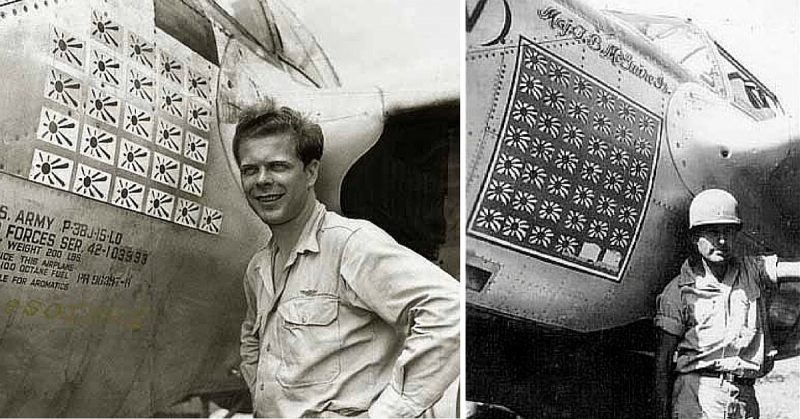
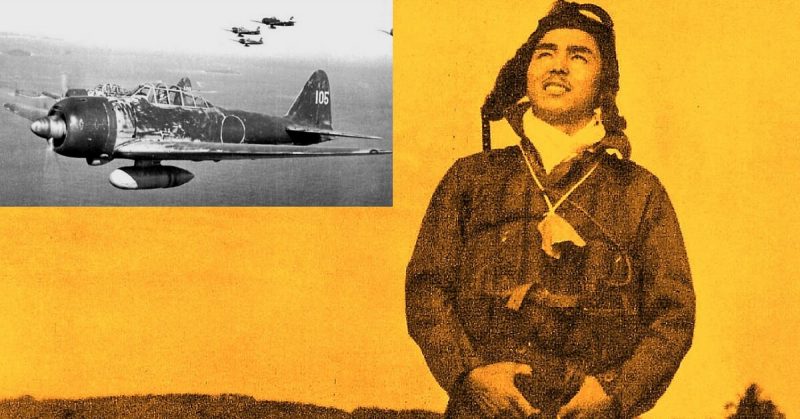
Hiroyoshi Nishizawa earned himself many names, but he's probably best known as The Devil of Rabaul (Wikipedia)
“In the ocean of the military, reflective of all distinguished pilots, an honored Buddhist person.”
So
translates the name awarded to Japanese pilot Hiroyoshi Nishizawa
following his death in 1944. His passing was sudden, unexpected; an
anticlimactic end to a remarkable tale. In death, his superiors honoured
him with a Zen Buddhist moniker; Bukai-in Kohan Giko Kyoshi. In life,
however, he earned himself a very different title.
The Devil of Rabaul, they called him, and not without good reason.
For
his enemies this young man bore a terrifying reputation. The Second
World War encompassed all corners of the world, but in the east, where
the Allies faced the deadly power of the Japanese air force, much of the
combat was defined by the rise of the aces.
Skilled pilots on
both sides fought terrifying aerial battles, carried out daring raids
against the enemy and engaged with combatants in the air, on the land
and on the sea. Yet even amongst the many outstanding Japanese aces,
there was no one quite like Nishizawa.
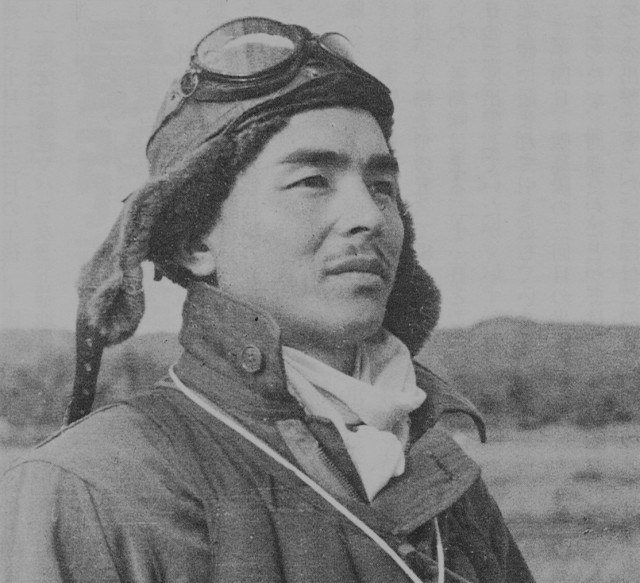
Hiroyoshi
Nishizawa was arguably the greatest Japanese ace in history, with some
historians attributing more than 100 kills to this one man (Wikipedia)
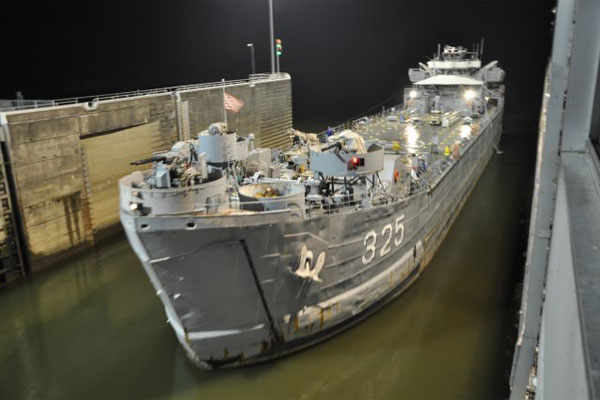
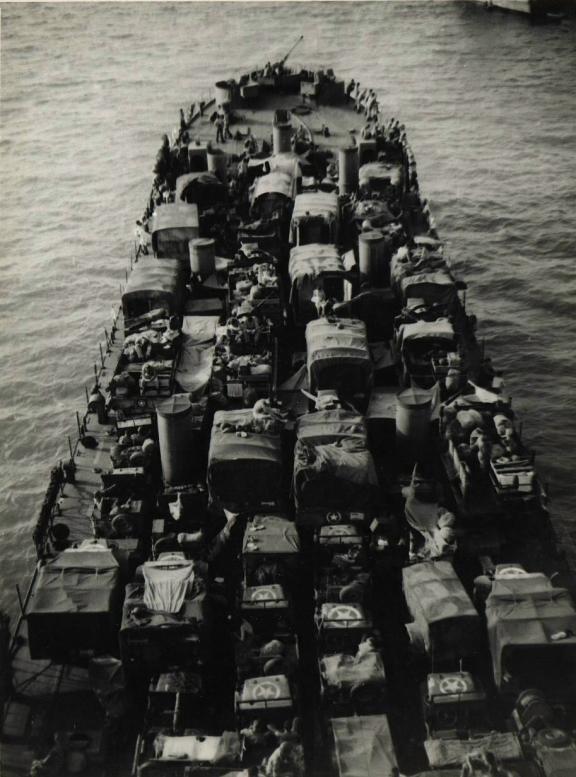
After the Second World War, many ships that were not sold for scrap metal, were transferred to allied countries.
One of those vessels, the LST-325 (Landing Ship Tank), which was built
in 1943, was given to Greece in 1964 and remained until decommissioning
in 1993 in the ranks of the Hellenic Navy.
Knights Templar (or simply Templars), mysteries and warfare –
these three avenues had an obscured connection when it came to the
mercurial times of the medieval Crusades. In fact, their full name ‘Poor
Fellow-Soldiers of Christ and of the Temple of Solomon’ (or Pauperes commilitones Christi Templique Salomonici
in Latin) directly pertains to the enigmatic Temple of Solomon. And
while the Templars did exhibit their fanatical martial prowess on the
battlefields (a ‘quality’ conducive to Crusades), the moniker of ‘Poor
Fellow-Soldiers of Christ’ didn’t really do the organization any
justice. That is because by 13th century AD, the Order administered an
incredibly well-managed economic infrastructure throughout Christendom
while also making innovations in early European banking systems. However
there was more to the Templars than deep fortunes and fervent warfare
tactics. So without further ado, let us take a gander at ten fascinating
facts you should know about the Templars.
1) From praying to fighting –
It is quite a well known fact that the Templars took a vow to defend
their fellow Christians from ‘foreign’ intrusions, especially in the
Outremer (the conglomeration of Crusader States in Levant). But
interestingly enough, their proclivity towards martial pursuits was only
developed as a reactionary measure, rather than a (starting) ideology
that dictated religious warfare. To that end, historically, in the
aftermath of the First Crusade, some of the Christians warriors actually
decided to put away their swords in favor of a monastic lifestyle based
around the Church of the Holy Sepulcher.
Τείχη για τους εργαζόμενους, ανοικτά σύνορα για την
απρόσκοπτη κυκλοφορία του κεφαλαίου. Αυτό είναι το κυρίαρχο δόγμα του
σύγχρονου καπιταλιστικού καθεστώτος, που βρίσκει τη πλήρη εφαρμογή του,
στο προεκλογικό πρόγραμμα του ακροδεξιού μπλοκ των ΗΠΑ, με επικεφαλής
τον Donald Trump.
Καθώς το κυρίαρχο επίδικο της προεκλογικής ατζέντας του Trump αφορά
στην στοχοποίηση των μεταναστών, ως τη κύρια αιτία των κοινωνικών και
οικονομικών προβλημάτων των ΗΠΑ. Ενδεικτικό αυτής της επιλογής που
συμπορεύεται με τις επιδιώξεις ακροδεξιών πολιτικών και οικονομικών
κύκλων, είναι η πρόθεσή του να κατασκευαστεί ένα τείχος τριών χιλιάδων
χιλιομέτρων στα σύνορα με το Μεξικό, ώστε να αποτραπεί η διέλευση των
μεξικάνων που αναζητούν εργασία στις ΗΠΑ.
Πρόκειται για ένα σχέδιο που παρουσιάστηκε με τη μορφή άρθρου στην εφημερίδα “The Washington Post”1,όπου ο Trump -πέραν των υπολοίπων-κάνει
σαφή τη πρόθεσή του, η χρηματοδότηση της κατασκευής του τείχους, να
προέλθει από τη παρακράτηση των εμβασμάτων που οι μεξικάνοι εργαζόμενοι
αποστέλλουν στις οικογένειές τους. Απαιτεί δηλαδή, ο Trump, οι μεξικάνοι εργαζόμενοι να χρηματοδοτήσουν από τα πενιχρά εισοδήματά τους, το μοντέλο εγκλεισμού και αποτροπής που προωθoύν οι ακροδεξιές καπιταλιστικές ελίτ.
By Andrew GelmanApril 15
Debates about economics often represent debates about politics.
Within the United States, we see arguments pitting Democratic-leaning,
high-tax states, such as New York and California, against
Republican-led, low-tax states, such as Texas.
When it comes to cross-national comparisons, the United States is
often pitted against the social democratic countries of Northern Europe.
The latest shot
in this battle comes from Ryan McMaken of the Mises Institute in
Alabama, who argues that European countries are in fact poorer than
almost every state in the United States.
According to McMaken, much of the discussion turns on how wealth or
poverty is measured. In particular, simple comparisons of GDP per capita
don’t capture the distribution of income, so when comparing different
states or countries on standards of living, maybe it makes more sense to
use the median. McMaken writes:
President Killary Με αυτόν τον τίτλο -που με ελαφρό αναγραμματισμό, θα σήμαινε
Πρόεδρος Φόνισσα- ο Δρ. Πωλ Γκραιγκ Ρόμπερτς, επί Ρέιγκαν υπουργός
Οικονομικών, αργότερα αρχισυντάκτης της Γουώλ Στρητ Τζέρναλ και
παγκόσμια γνωστός συγγραφέας, δημοσίευσε το κατωτέρω κατατοπιστικό
άρθρο. ΜετάφρασηΜιχαήλ Στυλιανού
«Αυτό είναι η αγγλική μετάφραση άρθρου που έγραψα για το γερμανικό
περιοδικό Compact. Με παρώθησε η υψηλής ευφυΐας προσφορά αυτού του
περιοδικού στους αναγνώστες του. Αν είχαν και οι ΗΠΑ περισσότερους
ανθρώπους ικανούς να φθάσουν πέρα από την ψυχαγωγία στην κατανόηση του
ποιες δυνάμεις επιδρούν στη μοίρα τους, τότε θα μπορούσε να υπάρξει
κάποια ελπίδα για την Αμερική.
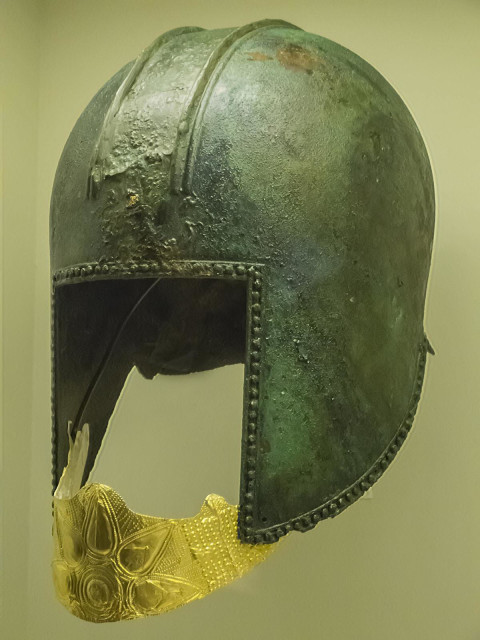
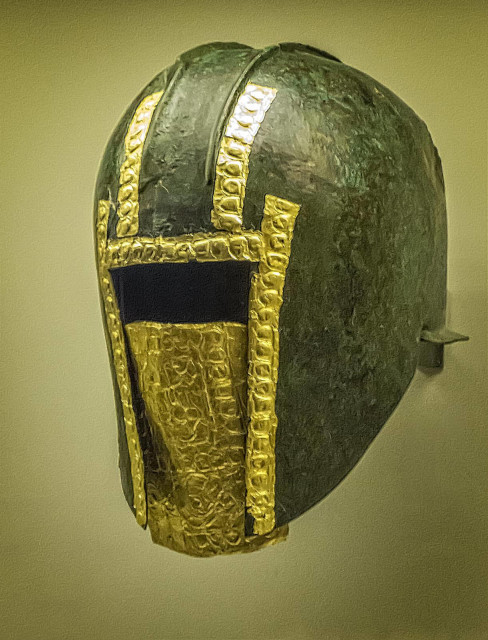
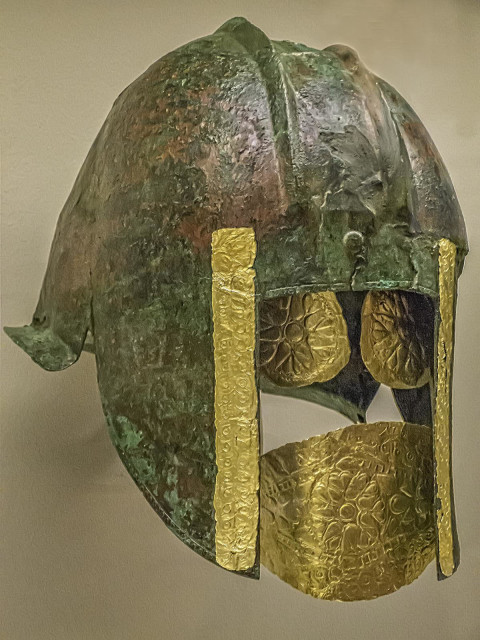
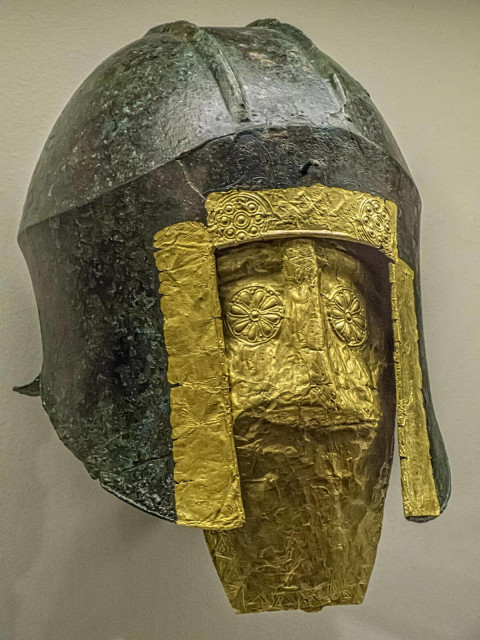
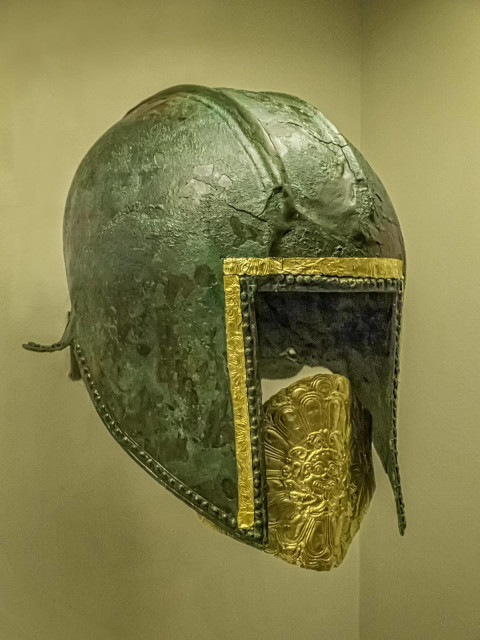
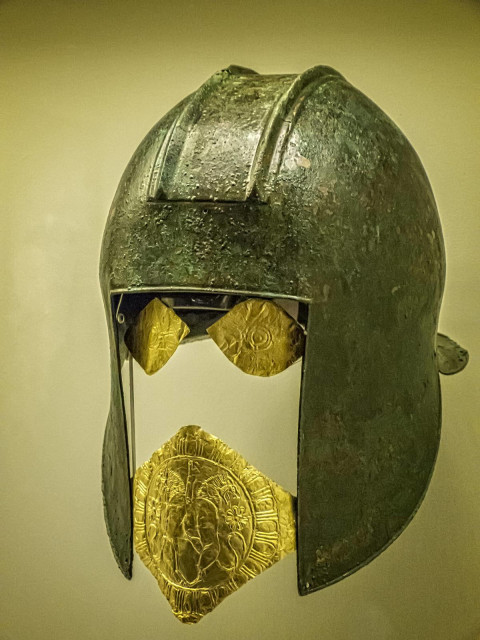
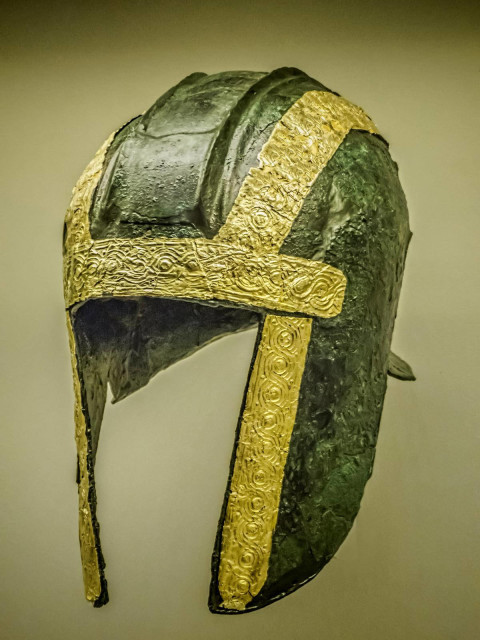
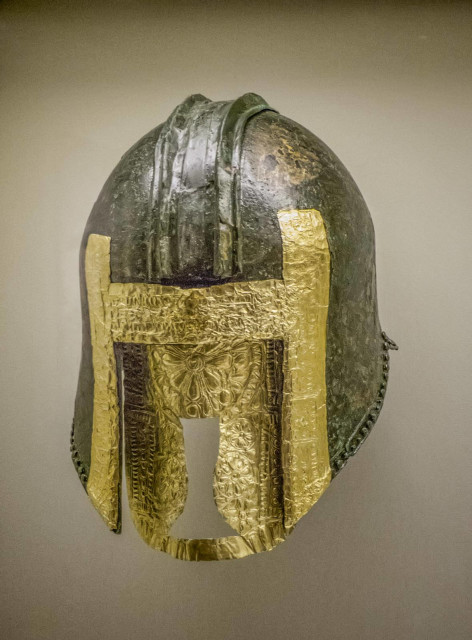
The
“Illyrian” or “Greco-Illyrian” type helmet is a style of bronze helmet,
which in its later variations covered the entire head and neck, and was
open-faced in all of its forms. Helmets of this type have been
discovered in many sites in Albania, Bosnia, Croatia (near the coast),
Macedonia, Kosovo, and Serbia. Illyrian helmets are found more
abundantly in Illyrian graves because of their higher status. Its
earliest styles were first developed in ancient Greece, specifically in
the Peloponnese, during the 8th and 7th centuries BC (700–640 BC).
Accurate representations on Corinthian vases are sufficient to indicate
that the “Illyrian” type helmet was developed before 600 BC. The helmet
was misleadingly named as an “Illyrian” type due to a large number of
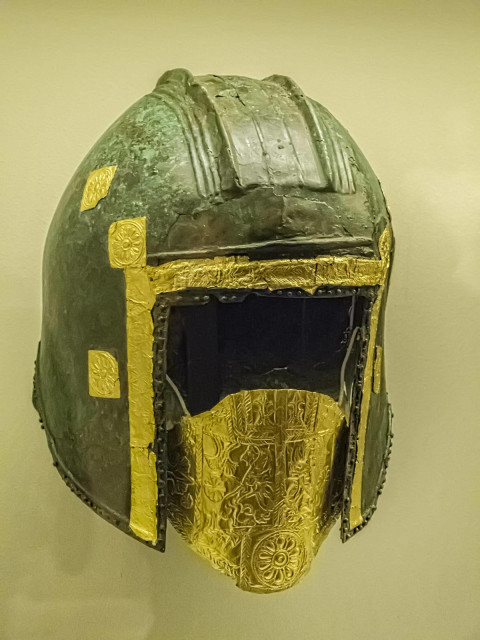
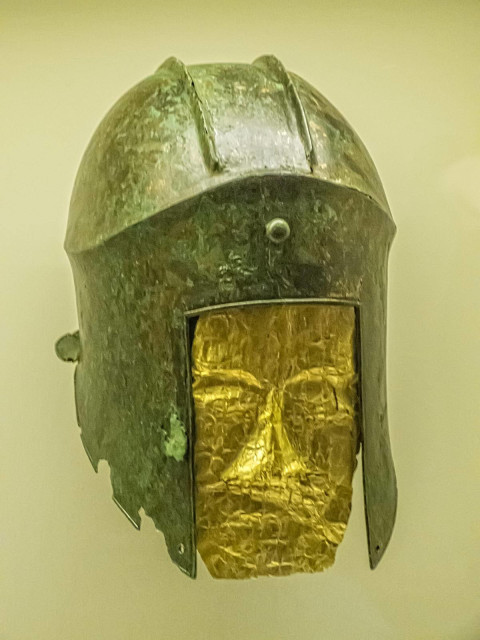
early finds coming from Illyria. Bronze
Funerary Helmet with gold foil mouthpiece depicting two heraldic lions
to indicate the valor of the deceased hero from the necropolis at
Archontiko, Greece 560-550 BCE. This helmet is from one of the earliest
burials in the cemetery’s central grave cluster. Funerary
bronze helmet with gold mask from the necropolis at Archontiko Greek
525-500 BCE. The bronze nail on the front of this helmet would have been
used to secure the crest. The small holes on the tips of the cheek
guards were used for lacing the helmet. The otherwise undecorated mask
includes open eyes and other facial features and is the most
naturalistic of the eight death masks excavated at the Archontiko
necropolis. Funerary
bronze helmet with gold mouth piece from the necropolis at Archontiko
Greek 560-550 BCE. The gold mouthpiece is decorated with an embossed
star. Embossed dots of various sizes in simple geometric forms cover the
remaining surface.According to
archaeological evidence, the “Illyrian” type helmet evolved from the
Kegelhelm (or Kegel type) of the Archaic Period found in Argos. The
earliest “Illyrian” type helmets were developed in a workshop located in
the northwestern Peloponnese (possibly Olympia), although the first
Type II “Illyrian” helmets were created in Corinthian workshops. The
first Type III helmets were created in workshops situated somewhere on
the Illyrian coast of the Adriatic. The “Illyrian” type helmet did not
obstruct the wearer’s critical senses of vision though the first two
varieties hampered hearing. Funerary
bronze helmet with gold mask from the necropolis at Archontiko Greek
after 530 BCE. The gold mask has two heraldic lions surrounded by
geometric and plant motifs representing the “king of the animals.” Funerary
bronze helmet with gold eye and mouth pieces from the necropolis at
Archontiko Greek 540-530 BCE. The deceased warrior was found lying on
his back holding a gilded sword in his right hand, which bore a gold
ring. A large embossed rosette, or the sun, decorates the center of its
gold mouth and eyepieces. Funerary
bronze helmet with gold mask from the necropolis at Archontiko Grave
279 Greek mid 6th century BCE. This warrior’s grave also included a
bronze shield, iron swords, spear points, gold ornaments, a chariot
model, figures, and more. This is one of the earliest gold funerary
masks found so far in northern Greece. It appears that the mask was
pressed against the deceased’s face so as to render the relief of the
nose, brows, and lips. Part of the permanent collections of the
Archaeological Museum of Pella. Funerary
bronze helmet with gold mouth piece from the necropolis at Archontiko
Greek mid-6th century BCE. This helmet features three narrow gold bands
with embossed plant motifs. A multi-petalled rosette surrounding the
hideous face of a Gorgon (a mythical creature) seals the lips of the
deceased warrior. Embossed lines and plant motifs cover the remaining
surface.There were four types of these
helmets and all were open faced: Type I (c. 700–640 BC) left the neck
unprotected and hampered hearing. Type II (c. 600 BC) offered neck
protection and again hampered hearing. Type III (c. 550 BC) offered neck
protection and allowed better hearing. Type IV (c. 500 BC) was similar
to Type III but hearing was not impaired at all.
Funerary
bronze helmet with gold eye and mouth pieces from the necropolis at
Archontiko Greek 550-525 BCE. Lacking any decoration apart from the
crest, this is one of the simplest helmets found in the necropolis of
Archontiko. The two embossed heraldic lions – symbols of power – on the
lozenge-shaped mouthpiece indicate the dead warrior’s valor. The
concentric circles embossed into the gold plaques over the eyes indicate
that the warrior’s eyes would forever gaze into the beyond. This
warrior was also buried with a black-glazed kantharos – a sumposium
vessel par excellence – with an incised inscription reading dolos e o
kalios (I [the kantharos] am a sly trap.)Funerary
bronze helmet with gold mask from the necropolis at Archontiko Greek
550-540 BCE. The burial was one of the richest at Archontiko. The helmet
was made with an unusual technique that involved hammering a thick
sheet of bronze, then adding a central band to support a crest. The mask
features plant motifs around the cut-out for the nose and mouth. A
complex rosette within a large embossed circle rises like a star over
the center of the face.The Illyrian type
helmet was used by the ancient Greeks, Etruscans, Scythians, and became
popular with the Illyrians who later adopted it. A variety of the helmet
had also spread to Italy based on its appearance on ivory reliefs and
on a silver bowl at the “Bernardini” tomb at Praeneste. The helmet
became obsolete in most parts of Greece in the early 5th century BC.
These helmets were a privilege limited to the minority of warriors who
could afford or obtain them. Its use in Illyria had ended by the 4th
century BC.
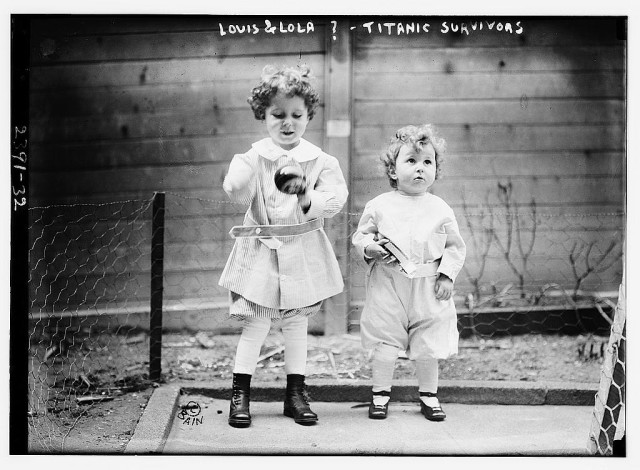
We
cannot even imagine how it was for Michel (4) and Edmund (2) to be
alone on a ship, surrounded by hysteria and terror, without being aware
that they will never see their father again who just had placed them on
the last lifeboat. Michel Marcel Navratil, Jr. (12 June 1908 – 30
January 2001).along with his brother, Edmond (1910–1953), were known as
the “Titanic Orphans”, having been the only children rescued without a
parent or guardian.
SourceMichel, Edmond, and their father boarded the Titanic
at Southampton , England on 10 April 1912, as second-class passengers.
For the journey, Mr. Navratil assumed the alias “Louis M. Hoffman”, and
the boys were booked as “Lolo and Momon”. On board the ship, he led
passengers to believe that he was a widower. He let the boys out of his
sight only once, when he allowed a French-speaking woman, Bertha
Lehmann, to watch them for a few hours while he played cards.
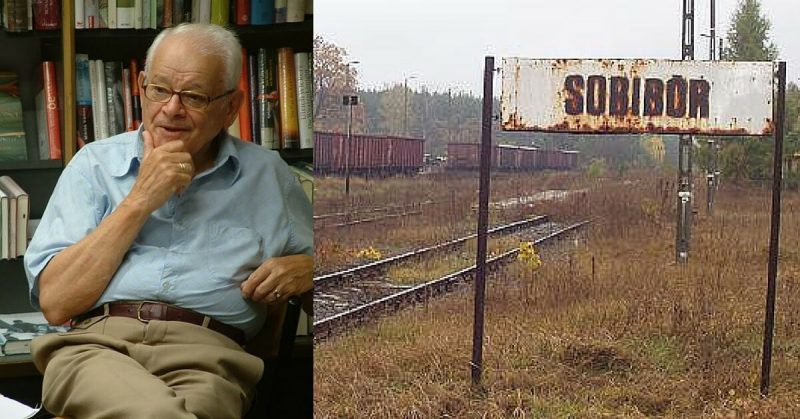
Jules
Schelvis, on of the last Dutch survivors of Sobibor, one of three Nazi
death camps in occupied Poland, has passed away at age 95.
After World War II ended, Schelvis documented what had occurred at Sobibor.
Approximately
a quarter million people, most of them Jews, were killed at Sobibor
between 1942 and 1943. Over 34,000 of the victims were from the
Netherlands. The victims were mostly killed in gas chambers. However,
many more were killed by the guards, deliberate starvation, disease, and
overwork.
Many local Jews were killed at Sobibor. Foreign Jews
from all over Europe were brought to the camp. The Nazis often told them
they were being resettled and they initially treated them well, only
for them to be delivered to the gas chambers in Sobibor.
Der
Fuehrer’s Face (originally titled Donald Duck in Nutzi Land) is a 1943
American animated propaganda short film produced by Walt Disney
Productions and released in 1943 by RKO Radio Pictures. The cartoon,
which features Donald Duck in a nightmare setting working at a factory
in Nazi Germany, was made in an effort to sell war bonds and is an
example of American propaganda during World War II.
The
film was directed by Jack Kinney and written by Joe Grant and Dick
Huemer from the original music by Oliver Wallace.The film is well known
for Wallace’s original song “Der Fuehrer’s Face”, which was actually
released earlier by Spike Jones.
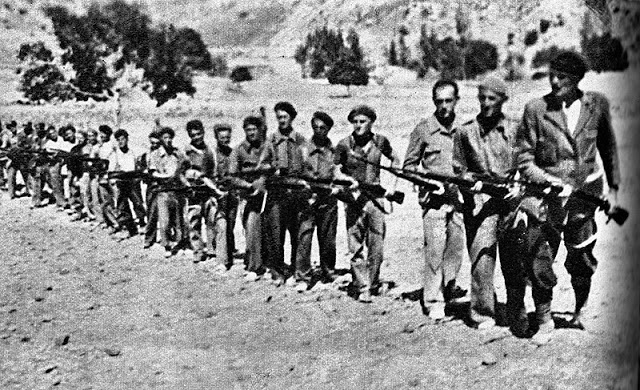
Yugoslavs,
who fought as volunteers in the Spanish Civil War on the Republican
side, are called “Spanish fighters” or “Yugoslav Spaniards.”
Belgrade
Association of Spanish troops is in possession of information that
there were 1.755 volunteers from Yugoslavia in international brigades
and other units of the Spanish Republican Army, of which 595 were killed
in Spain, and 116 were killed later in the National Liberation
Struggle.




 Ο
Άλμπερτ Αϊνστάιν ίσως είναι ο μεγαλύτερος επιστήμονας που γνώρισε ποτέ ο
κόσμος. Βραβευμένος με Νόμπελ και εμπνευστής της θεωρίας της
σχετικότητας πέθανε ακριβώς πριν από 60 χρόνια στις 18 Απριλίου του 1955
σε ηλικία 76 ετών αφού πρώτα έθεσε τις βάσεις της μοντέρνας φυσικής και
αφού άλλαξε την οπτική που είχαμε για το διάστημα, τον χρόνο, την
ενέργεια. Όμως πόσοι ξέρουν ότι ήταν εθισμένος στα τηγανιτά αυγά;
Ο
Άλμπερτ Αϊνστάιν ίσως είναι ο μεγαλύτερος επιστήμονας που γνώρισε ποτέ ο
κόσμος. Βραβευμένος με Νόμπελ και εμπνευστής της θεωρίας της
σχετικότητας πέθανε ακριβώς πριν από 60 χρόνια στις 18 Απριλίου του 1955
σε ηλικία 76 ετών αφού πρώτα έθεσε τις βάσεις της μοντέρνας φυσικής και
αφού άλλαξε την οπτική που είχαμε για το διάστημα, τον χρόνο, την
ενέργεια. Όμως πόσοι ξέρουν ότι ήταν εθισμένος στα τηγανιτά αυγά;