Ετικέτες

Παρασκευή 30 Οκτωβρίου 2015

Gandhi’s Letters to Adolf Hitler


Untitled design (1)
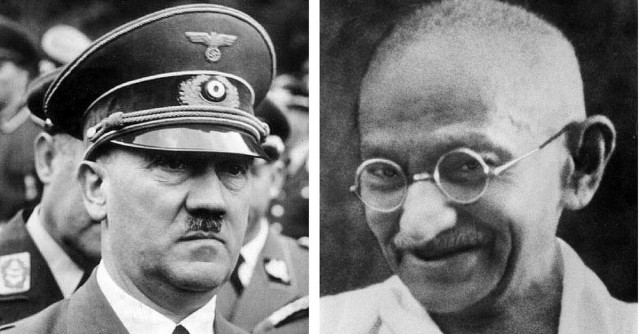
Mahatma Gandhi believed he could achieve his objectives through non-violent means. Adolf Hitler believed in the exercise of military might and the power of rhetoric. The two men could not have been more opposite in terms of philosophy, yet in 1939 as the storm clouds gathered in Europe Gandhi felt it necessary to do something.
On the 23rd of July in 1939, Gandhi wrote to Hitler, saying that he (Hitler) was “the one person in the world who can prevent a war which may reduce humanity to a savage state”. He went on to ask if Hitler would listen to the appeal from one who had “deliberately shunned the method of war not without considerable success”.

‘Just’ 10 Japanese Atrocities From World War II


On the eve of VJ Day and with Japan’s PM Shinzo Abe expressing ‘profound grief’ for WWII. We are going to look at just 10 Japanese Atrocities From World War II by listverse.com

Laha Airfield Massacre
February 1942

013
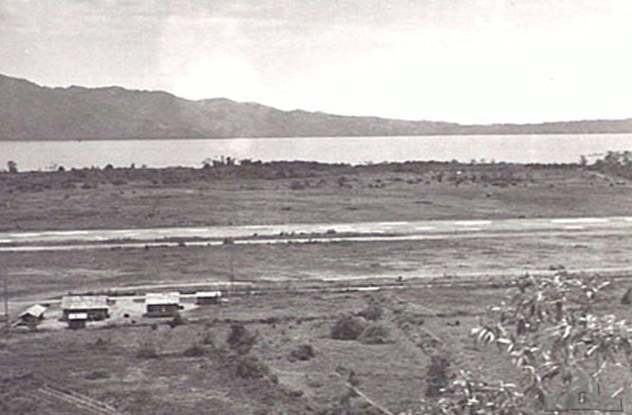
This ghoulish event, which killed more than 300 Australian and Dutch POWs, followed the Japanese capture of the Indonesian island of Ambon. Allegedly as an act of reprisal after the Allies destroyed one of their minesweepers, the Japanese randomly selected prisoners and executed them via beheading and bayonet near the island’s airfield. They then repeated the process three more times during the month.
The magnitude of this atrocity was enough for an Australian military tribunal to prosecute more than 90 Japanese officers and soldiers after the war in one of the biggest war crime trials in history. The tribunal sentenced four of the accused to death and handed out a range of sentences for the others. Unfortunately, they never got to try the mastermind, Rear Admiral Hatakeyama. The Japanese officer died while awaiting his trial.

Real Life Air America: The CIA’s Covert Airline Used for Everything, including Drug Smuggling


Untitled design (1)
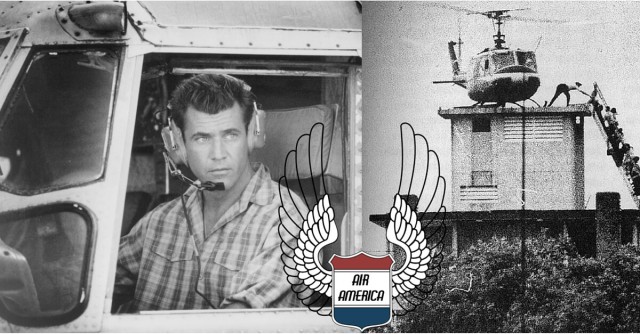
Air America was an American passenger and cargo airline covertly owned by the US government in 1950 as a dummy corporation for Central Intelligence Agency (CIA) operations in China. The CIA did not have enough work to keep the asset afloat and the National Security Council farmed the airline out to various government entities that included the USAF, US Army, USAID and for a brief time the French Republic.
Essentially, Air America was used by the US government covertly to conduct military operations, posing as a civilian air carrier, in areas the US armed forces could not go due to treaty restraints contained in the 1954 and 1962 Geneva Accords.

The Man Who Refused To Launch Nuclear Missiles During The Cuban Missile Crisis – Saving The World!


2.41k
SHARES
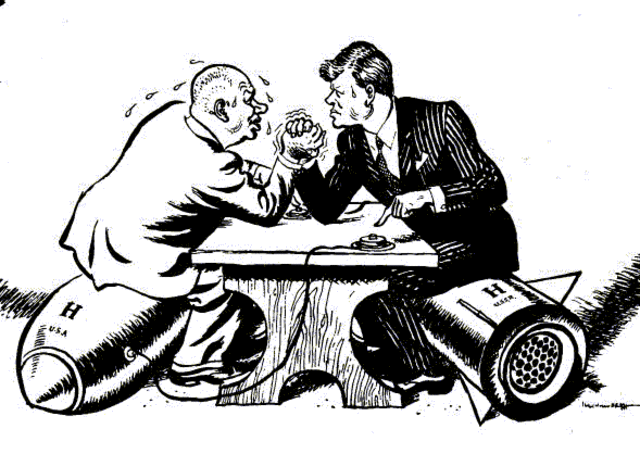
Kennedy and Kruschev bring the world close to nuclear war over Cuba
The fact that you can read this is because of a man who said “no” due to an accident. In doing so, he literally saved the world. And his reward? To be insulted.
On 15 October 1962, President Kennedy went ballistic at the discovery that the Soviets were trying to balance out NATO by building a nuclear missile site in Cuba. The Cuban Missile Crisis began the next day, ending 13 days later to a collective sigh of relief. Everyone believed that nuclear annihilation had been averted through diplomatic means.
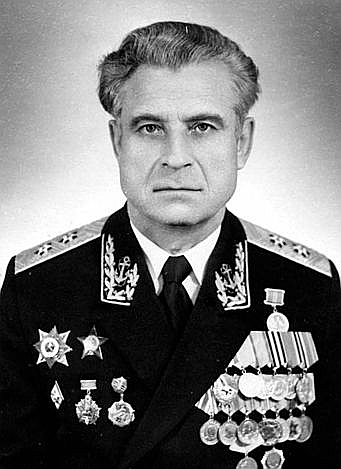
But it’s actually Deputy Commander Vasili Alexandrovich Arkhipov we have to thank.
Captain Valentin Grigorievitch Savitsky
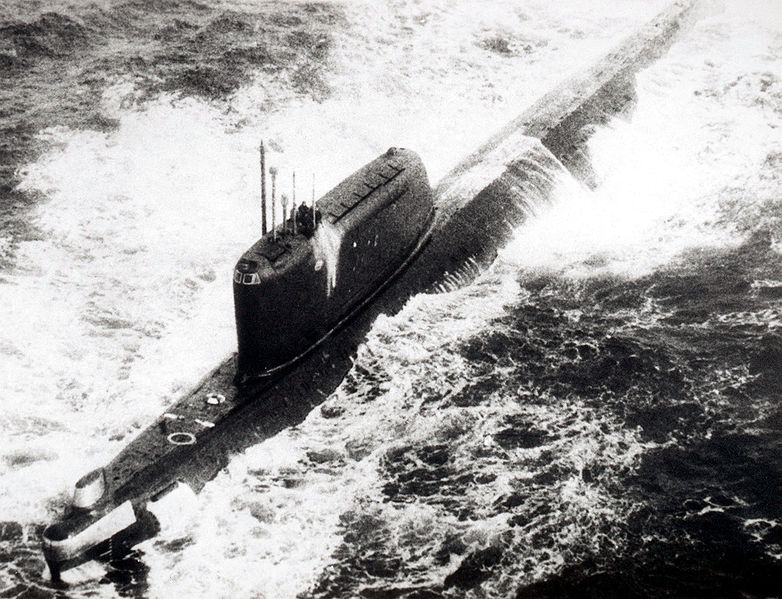
It all started on 4 July 1961. Arkhipov was aboard a new Hotel-class ballistic missile submarine K-19, when its radiant cooling system developed a leak. To prevent a nuclear catastrophe, the captain ordered the crew to contain the reactor.
A Soviet Hotel II class nuclear-powered ballistic missile submarine
Eight sailors died within days from radiation sickness, causing a near mutiny, but Arkhipov backed his captain and the disaster was contained. For his loyalty, bravery, and calm, he was given a medal.
Fast forward to 1 October 1962. Four Foxtrot submarines armed with nuclear missiles are ordered to leave their Arctic base and head to Cuba. Each has its own captain, but all submit to the authority of their flotilla commander, Arkhipov.

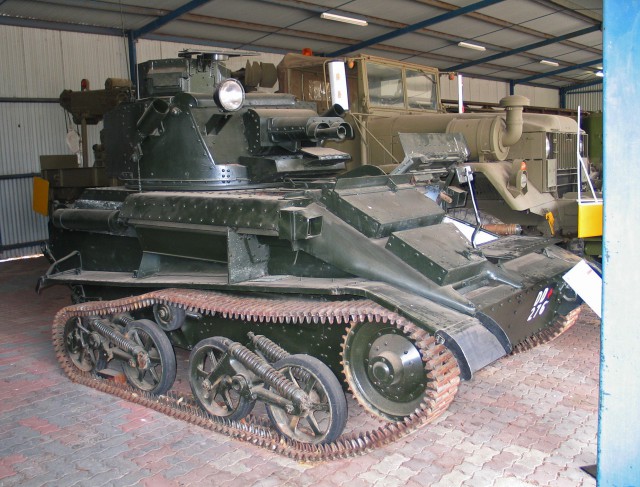
The Vickers Light MKVI B – Quite Useless As A Fighting Tank


Puckapunyal-Vickers-Light-MkVIA-2
The first mass-produced British tank.
Being, in terms of numbers, the Vickers Light was the most significant British tank at the outbreak of war, the Mark VIB saw service with the British Expeditionary Force in France, the Eighth Army in North Africa and in various subsidiary theatres. As a reconnaissance vehicle it was satisfactory, as a fighting tank quite useless since armour protection was minimal and the armament ineffective against enemy tanks.
When the Battle of France began in May 1940, the majority of the tanks possessed by the British Expeditionary Force were Mark VI variants; the seven Royal Armoured Corps divisional cavalry regiments, the principal armoured formations of the BEF, were each equipped with 28 Mk VIs.The 1st Armoured Division, elements of which landed in France in April, was equipped with 257 tanks, of which a large number were Mk VIB and Mk VICs. The 3rd Royal Tank Regiment, which formed part of the division’s 3rd Armoured Brigade, possessed by this time 21 Mark VI light tanks.
  www.warhistoryonline.com
The Mk VIB was also used in the North African campaign against the Italians late in 1940 with the 3rd Hussars and the 7th Armoured Division. Late in 1940 the British had 200 light tanks (presumably the Mk VIB) along with 75 cruiser tanks (A9, A10, A13) and 45 Matilda IIs. An attack by the 3rd Hussars on 12 December 1940 resulted in the tanks getting bogged down in salt pans and severely mauled. The 7th Armoured Division had 100 left on 3 January 1941 and 120 tanks on 21 January at which time they were used in flanking far into the rear and gathering up scattered Italian troops, sometimes joining or leaving the main attacks to the Cruiser and Matilda II tanks. The 2nd RTR continued to battle the Italians with light tanks as late as 6 February 1941.
Being widely used by the British Army, the tank participated in several other important battles. The Mk VIB made up a significant amount of the tanks sent over to the Battle of Greece in 1941, mostly with the 4th Hussars. Ten Mk VIB tanks fought with the 3rd The King’s Own Hussars during the Battle of Crete. The same armoured unit had previously embarked three MK VIB tanks for the Norwegian Campaign but they were lost in transit to a German aircraft attack.

New eye-witness account sheds light on who killed the Red Baron


1.03k
SHARES
The Red Baron (1)
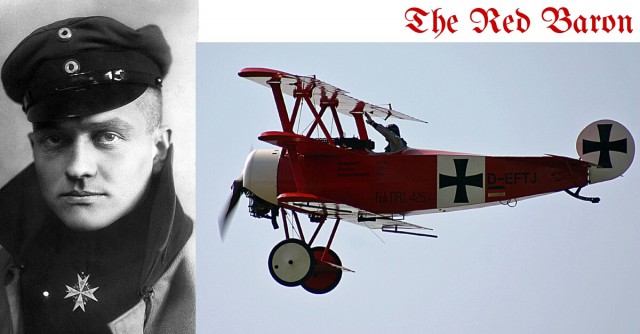
Manfred Albrecht Freiherr von Richthofen, also known as the Red Baron, was a feared and celebrated German fighter pilot during WWI. He was considered an ace-of-aces in the war and has been officially credited with 80 air combat kills. Over the years, there has been a mystery surrounding his death. Who actually took the fatal shot that killed the Red Baron?
After nearly a hundred years, an eye-witness account that sheds light on Richthofen’s final moments is now on sale at Bonhams in New York.
On April 21, 1918, Richthofen’s famous red Fokker plane was chasing a British Sopwith Camel at very low altitude near Amiens, France. As the planes came in close to the Allied camp, another Camel, with two Lewis light-machine guns and another machine gun, joined in the chase. The two Camels fired simultaneously on the Red Baron’s plane.

New York suburb reveals its Nazi past through discriminatory housing bylaws requiring that homeowners have German ancestry


Nazi
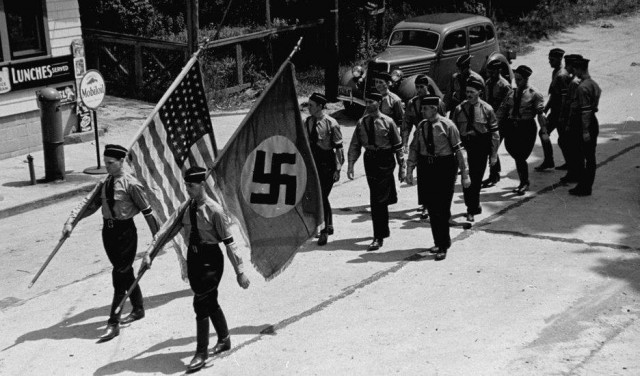
The 1930s was a decade that saw the rise of Adolf Hitler and the Nazi party in Germany. In the small suburb of Yaphank, NY, Nazi-supporters threw parades and took to the streets to cheer Hitler. Though times have changed, that ideology is apparently still ingrained within some of the residents of Yaphank.
When Philip Kneer and Patricia Flynn-Kneer tried to sell their house, they uncovered the discriminatory bylaws enforced by the organization that owns the land.
According to the couple, the German American Settlement League (GASL) has violated federal laws by requiring that homeowners have German ancestry.

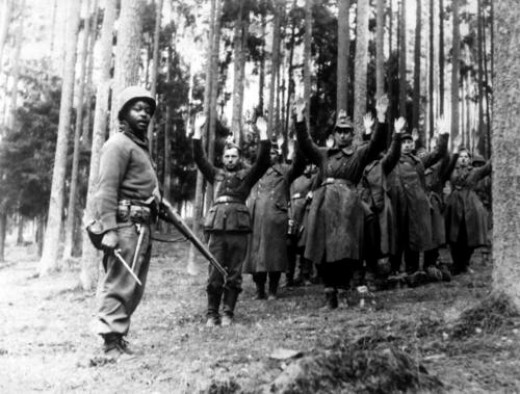
All 11 were tortured, beaten and shot dead. The Story of the 333rd Field Artillery Battalion and the Wereth 11 By CJ Kelly


8372438_f520
A big thank you to Chris Kelly for this article.
On December 16, 1944, the Germans launched their last great offensive against the Western Allies through the Ardennes Forest of eastern Belgium. It would become known as the Battle of the Bulge. Three German Armies attacked a long a 50-mile front. American troops manning the line were thrown into confusion. Even the high command was stunned. Stabilizing the line was first priority and many of the units available were African American. One of them was the 333rd Field Artillery Battalion.
From the battle emerged a multitude of heroes and villains. The brutality rivaled that of the Eastern Front; no quarter was given. Incidents like the Malmedy Massacre became well-known. On the afternoon of December 17, 1944, over 80 GIs who had been taken prisoner were gunned down by men of the 1st SS Panzer Division. Some escaped to spread the story, which led to a steely resolve on the part of American troops. But later that night another massacre occurred that received little attention during or after the war.
Eleven men from the 333rd Field Artillery Battalion were taken prisoner after taking refuge in a Belgian village. They surrendered peacefully to a squad from the 1st SS, and marched out of the village. Upon arriving in a large field along the main road, the men were beaten and finally executed. After the battle, the massacre was investigated but in the whirlwind of post-war politics, it was quickly forgotten. Why was such a horrific act brushed aside? Was it race? All of the men were black. Was it Cold War politics? Taking revenge might anger our former enemies. The reasons are many but when one goes back to examine the massacre, a light begins to shine on the much forgotten role of African American troops during the conflict.

Last of the German Troops to Surrender – May 13th 1945


4.79k
SHARES
Nazi Troops
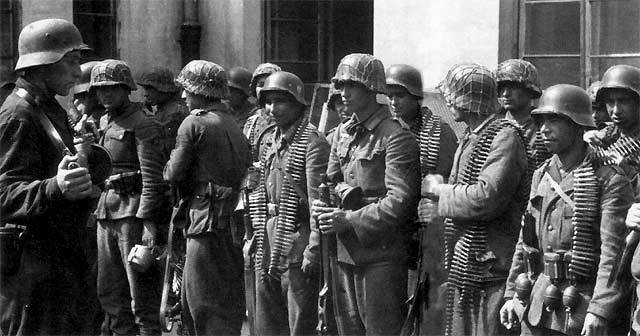
Generaloberst Alfred Jodl, commander of Germany’s Wehrmacht, signed the surrender agreement with Allied forces on 7th May, 1945. The agreement declared that all Nazi troops of Germany’s land, air and naval forces should put down their arms and stop fighting.
Most of Germany’s troops obeyed, but a few regiments continued to fight until their last man, including thousands of German troops stuck in the Soviet area of Poland. These soldiers continued to fire on Soviet troops in the coastal city of Danzig, and what was left of the German 4th Army fought on at Heiligenbeil, East Prussia. A few pockets of German troops on the Greek Islands also continued to wage war until the following day.
Five days after the surrender had been agreed upon, the Wehrmacht and SS troops in Czechoslovakia continued to fight, as did troops in Poland’s Hel Peninsula. The final German troops surrendered their weapons on 13th and 14th May.

Did You Know This? The SECOND Raid On Pearl Harbor – Operation K


Untitled design (1)
Everyone knows about the First Pearl Harbor Attack by the Japanese Imperial Navy. But few are aware of the 2nd Raid that the Japanese launched on Pearl Harbor. This raid was codenamed Operation K. It was a Japanese naval operation in WWII intended as a reconnaissance mission of the US Naval base at Pearl Harbor.

Operation K was Intended to Delay the US Navy Fleet’s Salvage Operations
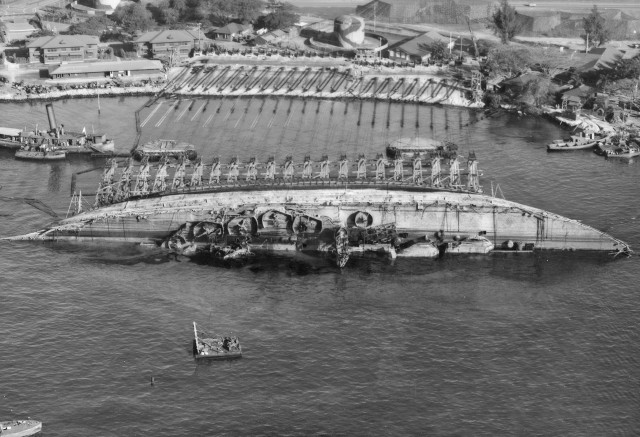
USS Oklahoma - An aerial view of salvage operations on 19 March 1943, looking toward Ford Island, with ship in 90 degree position.
USS Oklahoma – An aerial view of salvage operations on 19 March 1943, looking toward Ford Island, with ship in 90 degree position.
During the Pearl Harbor attack, the Japanese had missed out on destroying the Oil Storage facilities near Pearl Harbor Naval Air Station and the Naval Yard. So, they aimed to bomb these facilities in Operation K. Also, the Japanese aimed to disrupt the repair and salvage operations that were going on in full swing. This was, perhaps, the longest bombing sortie by two planes without fighter escort in WWII.
The Japanese Used Extra-Large Flying Boats to Disrupt the US Navy’s Salvage Operations
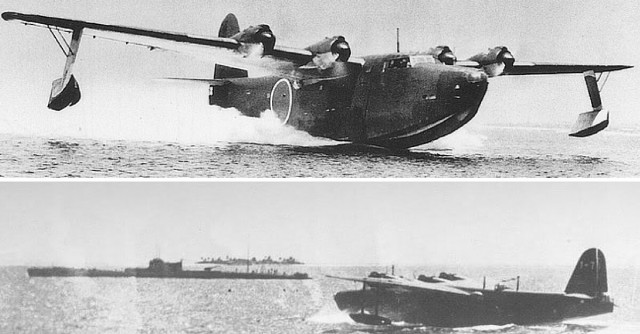
IJN_Kawanishi_H8K3
A H8K3 (work number 597) in running, 26 December 1942.
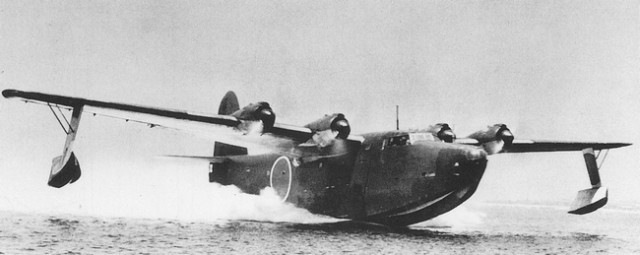
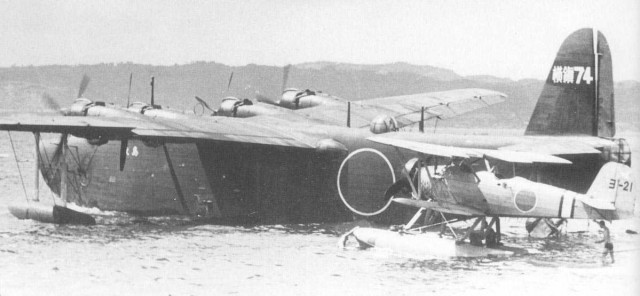
Operation K culminated on March 4, 1942. Two , nicknamed “Emily,” carried out an unsuccessful attack on Pearl Harbor. These flying boats were huge with a gross takeoff weight of 71,650 lb (32,500 kg) and a wingspan of 124 ft (38 m). Four 1,850 hp engines powered this flying boat. Its top speed was 296 mph, and it had a crew of 10. Named “the Flying Porcupine” by Allied pilots, this flying boat was defended by 10 machine guns and an equal number of 20mm cannons. The H8K flying boat was capable of undertaking long missions that lasted up to 24 hours. Each flying boat could carry eight 550 lb bombs.
 
Imperial Japan’s Navy Wanted to Exploit the Kawanishi H8K Flying Boats’ Long-Range Capabilities
HIJMS_Akitsushima_and_Kawanishi_H8K1_in_1942
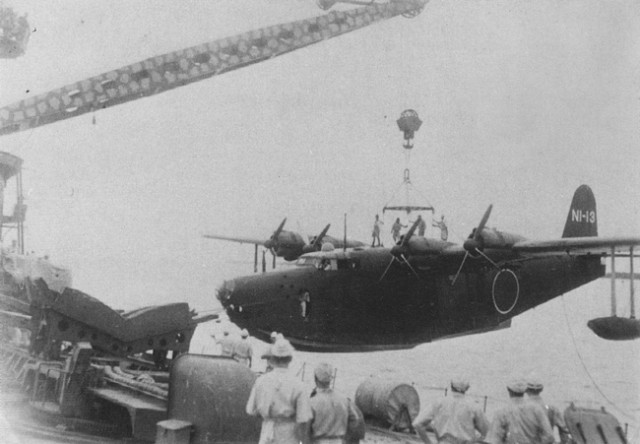
H8K1 N1-13 of the 802nd Kōkūtai and seaplane tender Akitsushima, Shortland Island in 1942.
Initial plans of the Japanese Navy’s high command called for the use of 5 H8K aircraft. They were to fly to French Frigate Shoals, the biggest atoll in the Northwestern tip of the Hawaiian Islands. Here, they’d be refueled by submarines before heading to Pearl Harbor. More raids would be undertaken if the first raid was successful.
The Japanese Started Operation K with Only 2 Flying Boats Instead of 5
Japanese Kawanishi H8K "Emily" Navy flying boat used for maritime patrol duties.
Japanese Kawanishi H8K “Emily” Navy flying boat used for maritime patrol duties.
On mission day, only two of the planned 5 flying giants were available. The first H8K aircraft was flown by Pilot Lieutenant Hisao Hashizume, the commander of the mission. Ensign Shosuke Sasao was flying the second H8K. The mission started at Wojte Atoll (Marshall Islands). Each aircraft was loaded with four 550 lb (250 kg) bombs. From Wojte, the flying boats flew 1,900 mi (3,100 km) to French Frigate Shoals. After refueling here, the planes set off for Pearl Harbor that was 560 mi (900 km) away.

Πέμπτη 29 Οκτωβρίου 2015

A Country for a Company – The 1954 US Backed Guatemalan Coup To Support United Fruit Company


Untitled design (2) (1)
The United Fruit Company (UFC) was once so powerful that the US government destroyed democracy in a country for it.
It started in 1931 when Jorge Ubico became Guatemala’s president. By then, UFC had a monopoly on the country’s coffee and banana trade. It also owned Guatemala’s docks, railroads, and communications, so Ubico exempted them from taxes, gave them 200,000 hectares of land, and let them execute bothersome workers.
He was ousted in the October Revolution of 1944, which installed Prof. Juan José Arévalo Bermejo as Guatemala’s first democratically-elected president. Arévalo established minimum wage, built hospitals and schools, set up health and safety standards, and began cracking down on the labor practices of big companies.

To the US government, that made him a communist.

Forging, then Forgetting, – The Alliance Between Serbia and France in WWI


Untitled design (6) (1)
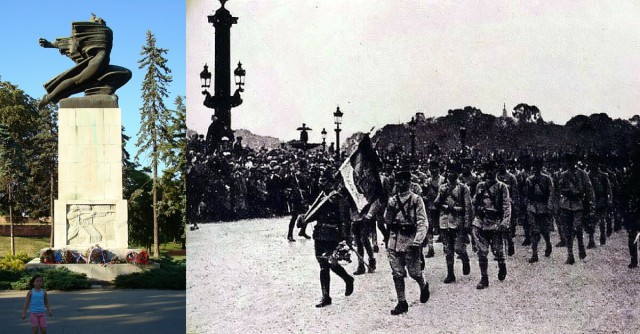
On the banks of the Danube and Sava rivers stands a statue of a woman, her hands balled into fists, underneath which a plaque contains the words; “Let us love France as she loved us”.
Over a century has passed since World War 1, and the once-strong and jovial partnership that had existed between Serbia and France has all but been forgotten. But the grand Monument of Gratitude, designed as a “thank you” to France for its assistance in WW1, still stands to this day, in recognition of what was once a great partnership.
Stanislav Stretenovic, historian of the Belgrade-based Institute of Contemporary History, believes the statue is unique in its intention. “As far as I know, it is the world’s only monument dedicated to a foreign country, and not just a leader or a people.”

Ο ήρωας του Ρούπελ που σκότωσε 232 Γερμανούς


ιτσιοςΣτις 6 Απριλίου του 1941 εκδηλώθηκε στις 5:15 το πρωί -45 λεπτά πριν από την προβλεπόμενη ώρα σύμφωνα με τη γερμανική διακοίνωση- η επίθεση της ναζιστικής Γερμανίας κατά της χώρας μας, στα οχυρά της Θράκης και της Ανατολικής Μακεδονίας.


Η γερμανική διακοίνωση είχε επιδοθεί νωρίτερα στον Πρωθυπουργό Αλέξανδρο Κορυζή από τον Γερμανό πρεσβευτή στην Αθήνα, πρίγκιπα Έρμπαχ. Ο Κορυζής είπε το δεύτερο ΟΧΙ, αυτή τη φορά στην ιταμή ναζιστική πρόκληση. Η γερμανική επίθεση κατά της Ελλάδας αποτελεί συνέχεια του ελληνοϊταλικού πολέμου, που ξεκίνησε την 28η Οκτωβρίου 1940 με την ιταλική επίθεση στα ελληνοαλβανικά σύνορα.

Βασίλης Τσιαβαλιάρης – Ο πρώτος νεκρός του Ελληνοϊταλικού πολέμου – Α Θ Α Ν Α Τ Ο Σ


tsiavaliaris_vasilis
Ήταν 28 Οκτωβρίου 1940. Ελληνοαλβανικά σύνορα. Ώρα 5η πρωινή. Η ιταλική σφαίρα βρίσκει τον στόχο της: Ο στρατιώτης Βασίλειος Τσιαβαλιάρης ήταν ο πρώτος πεσών του Ελληνικού Έπους.
Η σάλπιγγα έδινε το σύνθημα της μάχης ως ένα προσκλητήριο στον υπέρτατον αγώνα για την Ελευθερία. Πίσω από τά σκόπευτρα μέ τό δάκτυλο στήν σκανδάλη οι φρουροί τών προκεχωρημένων φυλακίων προσπαθούσαν νά διαπεράσουν τό σκοτάδι. Απέναντι σέ απόστασι λίγων μέτρων, ο εχθρός μόλις είχε αρχίσει τήν επίθεσί του. Προτού ακόμη εκπνεύσει τό τελεσίγραφό τους, οι Ιταλοί είχαν εξαπολύσει τίς ταξιαρχίες τους καί οι πρώτες σφαίρες έσκιζαν τήν νυκτερινή σιωπή πάνω στά βουνά τής Ηπείρου.

Η ΣΥΡΙΑΚΗ ΕΚΣΤΡΑΤΕΙΑ ΤΗΣ ΡΩΣΙΑΣ-35 (Η ΦΡΙΚΗ ΠΟΥ ΟΝΟΜΑΖΕΤΑΙ Ι.Κ. ),( Μικρή συλλογή άρθρων)

Α)Παλμύρα: H ΙSIS ανατίναξε 3 αρχαίες κολόνες και ισάριθμα άτομα που κρέμασε σε αυτές

h-ceb9sis-ceb1cebdceb1cf84ceafcebdceb1cebeceb5-3-ceb1cf81cf87ceb1ceafceb5cf82-cebacebfcebbcf8ccebdceb5cf82-cebaceb1ceb9-ceb9cf83ceaccf81

Oι τζιχαντιστές του Ισλαμικού Κράτους εκτέλεσαν την Κυριακή 3 άτομα στην αρχαία Παλμύρα ανατινάζοντας τις αρχαίες κολόνες όπου τους είχαν κρεμάσει, ανέφερε το φιλοαντιπολιτευόμενο με έδρα το Λονδίνο (OSDH).

Η ISIS «κρέμασε στις κολόνες 3 άτομα που είχε συλλάβει από την Παλμύρα και τα περιχώρά της (…) και τα εκτέλεσε ανατινάζοντάς» αυτές τις 3 κολόνες ανέφερε η ΜΚΟ OSDH.

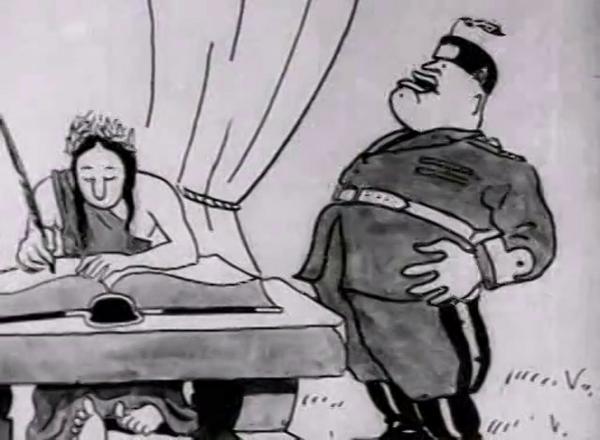
Η πρώτη ελληνική ταινία κινουμένων σχεδίων


Η πρώτη ελληνική ταινία κινουμένων σχεδίων γυρίστηκε από τον σκιτσογράφο Σταμάτη Πολενάκη (1908-1997) με τίτλο Ο Ντούτσε αφηγείται… Η επτάλεπτη ταινία «τύπου Μίκυ-Μάους», όπως αναφέρει στο ζενερίκ ο δημιουργός της, σατιρίζει την εισβολή των Ιταλών στην Ελλάδα στις 28 Οκτωβρίου 1940 και ειδικά τον Μουσολίνι, ο οποίος αφηγείται τα κατορθώματά του, αλλά η πραγματικότητα συνεχώς τον διαψεύδει.

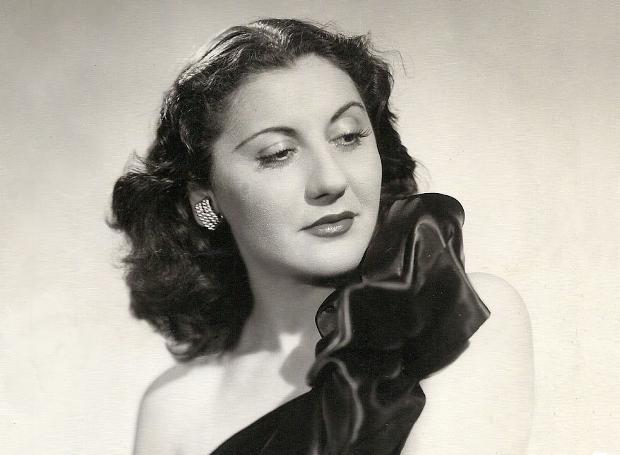
Σοφία Βέμπο 1910 – 1978


Σοφία Βέμπο
1910 – 1978

Σοφία Βέμπο

Η Σοφία Μπέμπου, όπως ήταν το πραγματικό της όνομα, γεννήθηκε στις 10 Φεβρουαρίου του 1910 στην Καλλίπολη της Ανατολικής Θράκης. Μετά τη Μικρασιατική καταστροφή, η οικογένειά της εγκαταστάθηκε στην Τσαριτσάνη του νομού Λάρισας και κατόπιν στο Βόλο, όπου οι γονείς της εργάστηκαν ως καπνεργάτες.

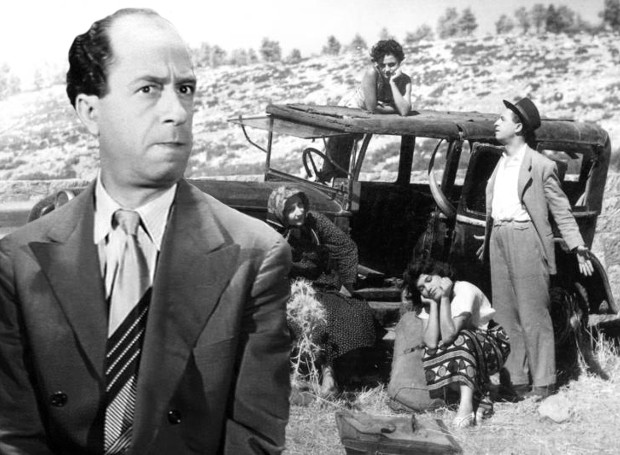
Μίμης Φωτόπουλος 1913 – 1986


Μίμης Φωτόπουλος

Ο μεγάλος ηθοποιός του ελληνικού θεάτρου και κινηματογράφου Μίμης (Δημήτρης) Φωτόπουλος γεννήθηκε στις 20 Απριλίου του 1913 στη Ζάτουνα της Γορτυνίας. Τα παιδικά του χρόνια ήταν δύσκολα, καθώς έμεινε νωρίς ορφανός από πατέρα. Ξεκίνησε να σπουδάζει στη Φιλοσοφική Σχολή Αθηνών, αλλά την παράτησε στο δεύτερο έτος. Η καλλιτεχνική του φύση τον οδήγησε στη Δραματική Σχολή του Εθνικού Θεάτρου (τότε Βασιλικού Θεάτρου).

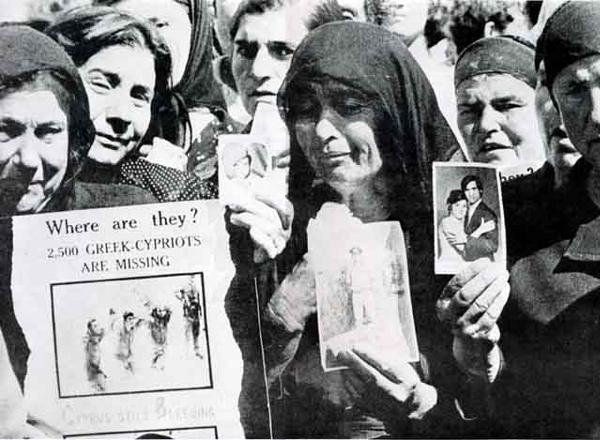
Ημέρα Αγνοουμένων (Κύπρος)


Η Βουλή των Αντιπροσώπων της Κύπρου έχει ορίσει την 29η Οκτωβρίου κάθε έτους ως Ημέρα Αγνοουμένων. Η ημερομηνία αυτή του 1974, χρονιά της Τουρκικής εισβολής στην Κύπρο, ήταν η επομένη της ημέρας κατά την οποία αφέθηκαν ελεύθεροι και οι τελευταίοι αιχμάλωτοι από τον τουρκικό στρατό.
Παρά τις καθημερινές και αγωνιώδεις προσπάθειες της Κυπριακής Δημοκρατίας, η τύχη πολλών εκατοντάδων Ελληνοκυπρίων εξακολουθεί ακόμη και σήμερα να είναι άγνωστη. Η Ημέρα των Αγνοουμένων θέλει να τονίσει αυτή τη συγκλονιστική πτυχή του κυπριακού δράματος.

Ενας διακονιάρης με παράσημα.


Του Σπύρου Παπαδόγιαννη. Στο χωριό μας είχαμε απ΄oλα τα καλά. Και το στάρι μας και το λάδι μας και το κρασί μας και τα κηπευτικά μας και, δόξα το Θεώ, καλά περνούσαμε. Και αν δεν είχαμε και κάτι, το είχε ο διπλανός μας. Όλο το χωριό λειτουργούσε σα μια μεγάλη αποθήκη, που όλοι έβαζαν και όλοι έπαιρναν. Από πείνα δεν κινδύνευε να πεθάνει κανείς, εκτός και αν το είχε …τάμα να πεθάνει. Είμαστε και κουβαρντάδες. Μας είχαν μυριστεί και οι διακονιάρηδες και που τους έχανες, που τους έβρισκες, όλο στο χωριό μας γύριζαν. Τους είχαμε μάθει και μας είχαν μάθει και, αν καμιά φορά αργούσαν να έρθουν, ανησυχούσαμε.