Ετικέτες

Σάββατο 25 Απριλίου 2015

Κάντο όπως οι αντιφασίστες στην Cable Street-Η μάχη της Cable Street στο Λονδίνο του 1936


Card001
Στις 4 Οκτωβρίου 1936, στο Λονδίνο υπήρξε μία πολύ μεγάλη κινητοποίηση, η οποία έμεινε γνωστή στην Ιστορία ως «Η Μάχη της Cable Street». Αντλήσαμε το παρακάτω, πολύ ενδιαφέρον άρθρο/αφιέρωμα από την ιστοσελίδα τηςΟΡ.Μ.Α. [Οργάνωση Μαχητικού Αντιφασισμού] και το αναδημοσιεύουμε. Επισκεφτείτε την ιστοσελίδα για οποιαδήποτε ενημέρωση σχετικά με αντιφασιστικές κινήσεις. Και ας…το κάνουμε όπως οι αντιφασίστες της Cable Street στο Λονδίνο, πολλά χρόνια πριν…
1936: Η Ευρώπη βρίσκεται σε αναταραχή. Ανήμπορη να ξεφύγει από την οικονομική κρίση του 1936, οι πολεμικοί ανταγωνισμοί εντείνονται, οι ευρωπαϊκές κυβερνήσεις ολοένα και αυξάνουν τα μέτρα ενάντια στην εργατική τάξη σε Ιταλία και Γερμανία ήδη ο φασισμός έχει γίνει καθεστώς.

Ουκρανία: Από το κακό στο χειρότερο – αντικομμουνισμός και εθνικιστική διαστροφή…


Ουκρανία: Από το κακό στο χειρότερο – αντικομμουνισμός και εθνικιστική διαστροφή
Το άρθρο που ακολουθεί συντάχθηκε αρχικά στα ρώσικα από πολίτη της Ουκρανίας που, για λόγους ευνόητους, δεν θέλει να δημοσιευτεί το όνομά του

Εννοείται ότι η Ουκρανία δεν κινδυνεύει από το Κομμουνιστικό Κόμμα Ουκρανίας που ποτέ δεν ξεπέρασε το 13%, με τη μεγαλύτερη απήχησή του στους συνταξιούχους, ούτε η Ρωσία μετατρέπεται ξανά σε κομμουνιστική. Αντιθέτως, κορυφαία στελέχη του ΚΚ Ουκρανίας και του ΚΚΣΕ πρωτοστάτησαν στην ανακήρυξη της ανεξαρτησίας της Ουκρανίας, το 1991, και οι ίδιοι επέβαλαν το καπιταλιστικό σύστημα στη χώρα με πρώτο πρόεδρο του νέου κράτους τον Λεωνίδα Κραβτσούκ, που ήταν μέχρι τότε μέλος του Πολιτικού Γραφείου, υπεύθυνος για την κομμουνιστική διαπαιδαγώγηση και προπαγάνδα και πρόεδρος του Ανωτάτου Σοβιέτ της Ουκρανικής Σοσιαλιστικής Δημοκρατίας.

Παρασκευή 24 Απριλίου 2015

Μία madame αναντάμ παπαντάμ!..


Κι όμως η θρυλική (πλέον) εκείνη πρώτη προσφώνηση του σημερινού πρωθυπουργού πριν γίνει πρωθυπουργόςπρος την κυρία καγκελάριο:»Madame Merkel» (!),
..υπήρξε σημειολογικά απόλυτα επιτυχής!
Είναι γνωστό σε όλους πως στα παλιά εκείνα, κλασσικά μπ@@@δέλα, κουμάντο έκανε, και την τάξη επέβαλλε η Μαντάμ!
Η  »μαντάμ», ή στα λαϊκά ελληνικά: »τσατσά» ήταν συνήθως η ίδια π@@@άνα εν αποστρατεία, που άνοιξε δικό της μαγαζί και έγινε αφεντικό.
Μπορεί να »δούλευε» και η ίδια για το κέφι της μερικές φορές,

..το κύριο καθήκον της όμως ήταν να φροντίζει την τάξη, τις τιμές των »κοριτσιών», πότε και ποιό »κορίτσι» θα δουλεύει και ποιό θάχει ρεπό, την σχέση μεταξύ των »κοριτσιών» για ν’ αποφεύγονται οι καυγάδες και οι ζήλιες, την προστασία τους από παλικαράδες και »αγαπητικούς», το »επαγγελματικό» ντύσιμό τους, ακόμα και το φαγητό τους.
Τα »κορίτσια» δείχνανε αφοσίωση και πολλές φορές λατρεία προς το πρόσωπό της.
Το να μην πειθαρχήσει κάποια τις εντολές της και τις νουθεσίες της, ήταν τις περισσότερες φορές αιτία αποπομπής της από το »σπίτι», και υποβιβασμού της σε »μία του δρόμου»!
Συνολικά η »μαντάμ», ή »τσατσά» ήταν η ψυχή, η μάνα, αλλά και ο κυρίαρχος του »μαγαζιού»!
Σε γενικές γραμμές ένα μπ@@@δέλο εκείνου του καιρού ήταν ένα πολύ ήσυχο,ασφαλές, ακόμη και αξιοπρεπές θα μπορούσε να πει κανείς, μέρος,
..δεν έπαυε όμως να είναι μπ@@@δέλο!
Αν τώρα, σε όλα αυτά μπορεί κάποιος να διακρίνει κάποιες ομοιότητες μεταξύ κλασσικού μπ@@@δέλου, »κοριτσιών», και »τσατσάς»,
..με την σημερινή Ευρωπαϊκή Ένωση, τις χώρες-μέλη, και την γερμανίδακαγκελάριο,
..είναι γιατί υπάρχει απόλυτη ταύτιση: 
Η Ευρώπη δεν είναι πιά παρά ένα μπ@@@δέλο σε μέγεθος ηπείρου!
Τα »κορίτσια» της είναι στην πλήρη ευχέρεια του κάθε πελάτη-εταιρείας, ήπελάτη-»επενδυτή», με »τάξη» όμως και »ευπρέπεια» (!),
..αρκεί να κονομάει η »μαντάμ»!
Η προσφώνηση εκείνη του κυρίου πρωθυπουργού,
..θα μείνει ιστορική,
     ..για την ιστορική της ακρίβεια!..

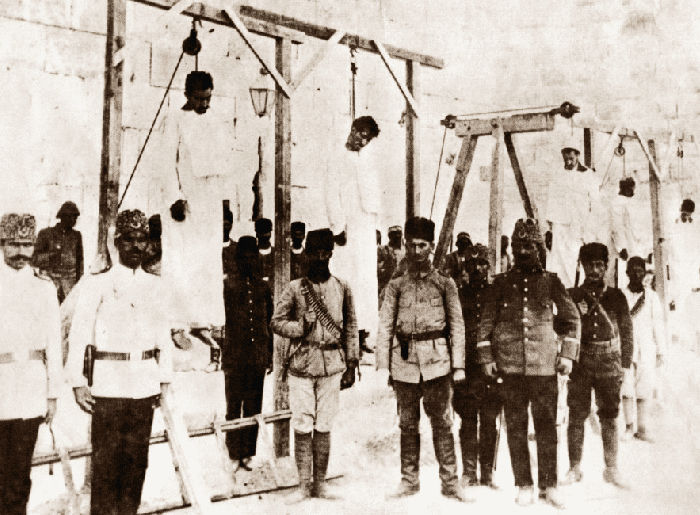
Η γενοκτονία των Αρμενίων


Η πρώτη γενοκτονία του 20ου αιώνα, με τη συστηματική εξόντωση ενάμισυ εκατομμυρίου ανθρώπων από τις Οθωμανικές αρχές την τριετία 1915-1918. Υπήρξε ο προάγγελος του Εβραϊκού Ολοκαυτώματος, κατά τη διάρκεια του Β' Παγκοσμίου Πολέμου.
Στα τέλη του 19ου αιώνα, οι Αρμένιοι, ένας πανάρχαιος χριστιανικός λαός της Εγγύς Ανατολής, μοιράζονταν μεταξύ της Ρωσίας και της Οθωμανικής Αυτοκρατορίας. Στην τσαρική Ρωσία ζούσαν κάτω από ένα σχετικά ανεκτικό καθεστώς (αν και δεν έλειπαν μαζικοί εκρωσισμοί), αλλά στην Οθωμανική Αυτοκρατορία υφίσταντο παντός είδους διωγμούς, όπως και οι άλλοι χριστιανικοί λαοί της αυτοκρατορίας (Έλληνες, Ασσύριοι κλπ).

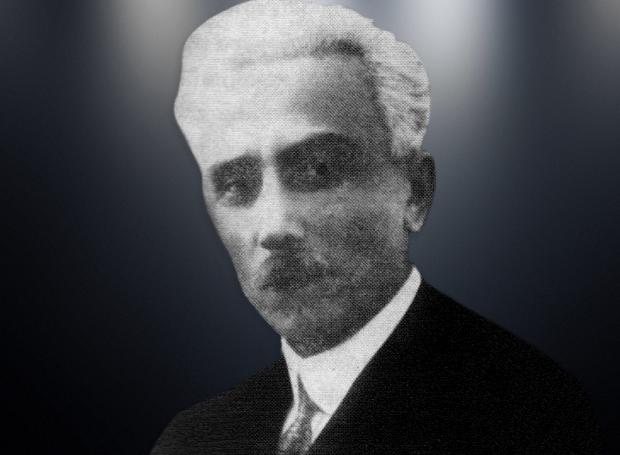
Κωνσταντίνος Σπανούδης 1871 – 1941


Κωνσταντίνος Σπανούδης

Δημοσιογράφος, πολιτικός και αθλητικός παράγοντας. Ιδρυτικό μέλος της ΑΕΚ και πρώτος της πρόεδρος.
Ο Κωνσταντίνος Σπανούδης γεννήθηκε στο Φανάρι της Κωνσταντινούπολης το 1871. Απόφοιτος της Μεγάλης του Γένους Σχολής σπούδασε πολιτικές επιστήμες  στη Γαλλία και την Ιταλία.
Μετά το πέρας των σπουδών του στην Εσπερία, επέστρεψε στην Κωνσταντινούπολη και επιδόθηκε στη δημοσιογραφία. Το 1904 εξέδωσε την εφημερίδα Πρόοδος, η οποία κατέστη το πνευματικό κέντρο του Ελληνισμού της Πόλης και το όργανο των εθνικών αγώνων κατά των Νεοτούρκων. Η εθνική αρθρογραφία του Σπανούδη τού στοίχισε διώξεις και δυο απελάσεις.

Παγκόσμια Ημέρα Κατάργησης των Πειραμάτων σε Ζώα


Η Παγκόσμια Ημέρα Κατάργησης των Πειραμάτων σε Ζώα εορτάζεται στις 24 Απριλίου ως μέρα μνήμης για τα εκατομμύρια πειραματόζωα, που υποφέρουν και χάνονται κάθε χρόνο στο όνομα της επιστήμης και το υποτιθέμενο καλό της ανθρωπότητας. Διοργανώνεται από την Animal Aid, υπό την αιγίδα του ΟΗΕ.
Εκατομμύρια ζώα γίνονται κάθε χρόνο σε όλο τον κόσμο «μοντέλα» έρευνας και ανάλυσης ασθενειών κάθε είδους. Ποντίκια, αρουραίοι, κουνέλια, γουρούνια αλλά και γάτες, σκύλοι και πίθηκοι χρησιμοποιούνται σε επιστημονικά εργαστήρια προκειμένου να ελεγχθούν η τοξικότητα νέων φαρμάκων, η επίδραση τοξικών και χημικών ουσιών στην ανθρώπινη αναπαραγωγή, η πρόκληση αλλεργιών, δερματικών προβλημάτων, καρκίνου κ.ά.

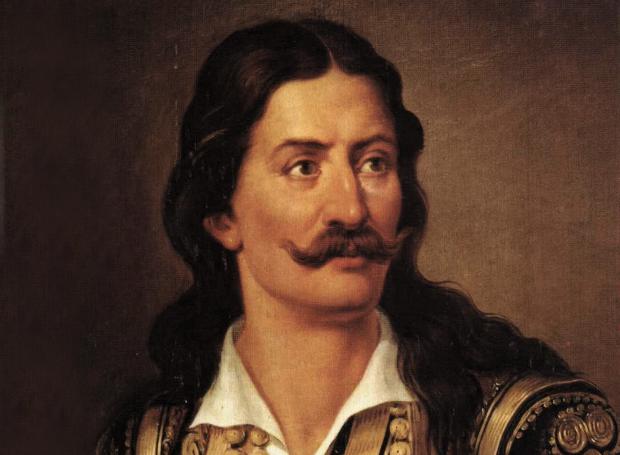
Αθανάσιος Διάκος 1788 – 1821


Αθανάσιος Διάκος

Από τους πρωτεργάτες του εθνικού ξεσηκωμού στην Ανατολική Στερεά Ελλάδα και ήρωας της μάχης της Αλαμάνας.
O Αθανάσιος Διάκος γεννήθηκε το 1788 στην Άνω Μουσουνίτσα της Φωκίδας (σημερινός Αθανάσιος Διάκος) και κατ’ άλλους στη γειτονική Αρτοτίνα, απ’ όπου καταγόταν η μητέρα του. Το πραγματικό του όνομα ήταν Αθανάσιος Γραμματικός.

H Μεταμόρφωση των ιδεολογιών σε ψευτοθρησκείες…


του Κώστα Παπαϊωάννου

Την ίδια εποχή όπου ο G. K. Chesterton δήλωνε «ο σοφός» καθηγητής που ακούει από τον πρωτόνονον άγριο ότι στην αρχή του κόσμου δεν υπήρχε παρά ένα μεγάλο φτερωτό φίδι, δε θα καταλάβει ποτέ του τίποτα απ’ αυτά τα πράγματα, αν δεν ανατριχιάσει ως το βάθος της ψυχής του και δεν αισθανθεί τον πειρασμό να ευχηθεί σχεδόν αυτή να είναι η αλήθεια» (The everlasting man), την ίδια εποχή όπου ο L. Klages προτείνει, ούτε λίγο ούτε πολύ, να επιστρέψουμε στην κοσμοθεωρία των υποτίθεται «αμόλυντων από το μικρόβιο του πνεύματος» Πελασγών (Das Weltbild des Pelasgerturns) και οι σουρρεαλιστές πίστευαν ότι με την ένταξή τους στα κομμουνιστικά κόμματα, το ονειρικό παραλήρημα, την αυτόματη γραφή και την «κριτική παράνοια» επρόκειτο να «απελευθερώσουν ολοκληρωτικά τον άνθρωπο από την χριστιανοθωμιστική σκλαβιά», η ίδια ανάγκη του μύθου και θρησκευτικής πίστης που όταν άγγιξε τους «χρυσελεφάντινους πύργους» της Διανόησης μεταμορφώθηκε σε ψευτομυστικισμό, ψευτο-ανατολική θεοσοφία και ψευτο-«κριτική της επιστήμης», διαπέρασε και όλα τα στρώματα της ακυβέρνητης και αποσυντεθειμένης από το ίδιο της το κενό μεταπολεμικής κοινωνίας και η υ0πόγεια παρουσία μιας αλλόκοτης θρησκευτικότητας, άρχισε να δίνει ένα νέο περιεχόμενο στις έννοιες, τις μορφές ζωής και τις θεωρίας που μας κληροδότησε ο 19ος αιώνας.

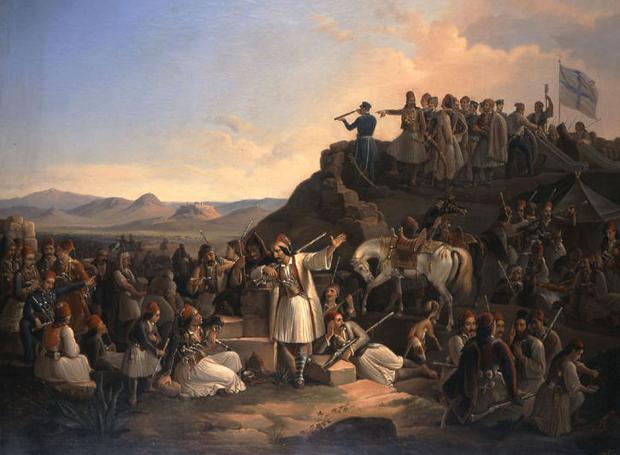
Η Μάχη του Αναλάτου


Το στρατόπεδο του Καραϊσκάκη στην Καστέλα

Καταστροφική πολεμική επιχείρηση των Ελλήνων κατά των Οθωμανών, σε μια δύσκολη περίοδο του Αγώνα της Ανεξαρτησίας. Διεξήχθη στις 24 Απριλίου 1827, την επομένη του θανάτου του Γεώργιου Καραϊσκάκη, στην περιοχή Ανάλατος (σημερινή Νέα Σμύρνη), με σκοπό τη διάσπαση της πολιορκίας της Ακρόπολης από τις δυνάμεις του Κιουταχή.
Εξαρχής, ο σχεδιασμός της επιχείρησης προκάλεσε διχογνωμίες. Οι δύο άγγλοι επικεφαλής των ελληνικών δυνάμεων Λόρδος Κόχραν και Τζορτζ (αρχιναύαρχος του ελληνικού στόλου ο πρώτος και αρχηγός των χερσαίων δυνάμεων ο δεύτερος, με απόφαση της Εθνοσυνέλευσης της Τροιζήνας) πίστευαν στην άμεσο και κατά μέτωπο αντιμετώπιση του εχθρού, ενώ ο Καραϊσκάκης επέμενε ότι τα ελληνικά στρατεύματα ήταν καταλληλότερα στον πόλεμο των χαρακωμάτων και ότι συνέφερε να προχωρούν κατ' ολίγον και με νέα χαρακώματα να περιζώνουν τον στρατό του Κιουταχή, ο οποίος είχε αρχίσει να υποφέρει από τις στερήσεις.

Η Μασσαλιώτιδα


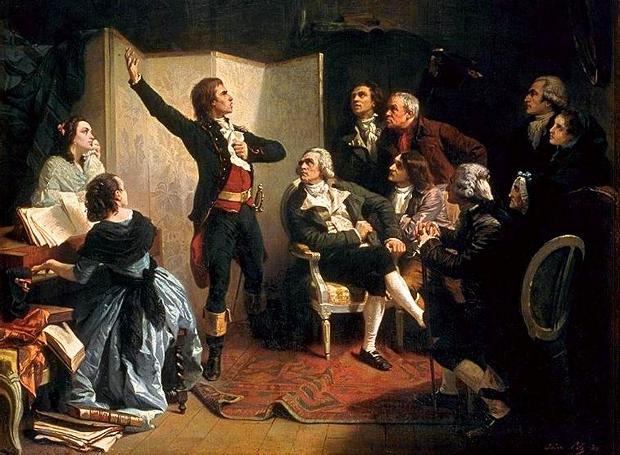
O Ρουζέ ντε Λιλ τραγουδά για πρώτη φορά τη Μασσαλιώτιδα (Πίνακας του Ισιντόρ Πιλς)

Πολεμικό επαναστατικό άσμα, που υιοθετήθηκε προοδευτικά ως Εθνικός Ύμνος της Γαλλίας. Γράφτηκε στις 24 Απριλίου 1792 από τον λοχαγό του Μηχανικού Κλοντ Ζοζέφ Ρουζέ ντε Λιλ, τη νύκτα της κήρυξης του πολέμου μεταξύ Γαλλίας και Αυστρίας, προς τιμή του στρατάρχη Νίκολας Λούκνερ, ενός Βαυαρού που έγινε Γάλλος και έπαιξε σημαντικό ρόλο στη Γαλλική Επανάσταση. Ο πρωτότυπος τίτλος του εμβατηρίου είναι Πολεμικό Άσμα για τη Στρατιά του Ρήνου.
Μασσαλιώτιδα (Marseillaise) ονομάστηκε, επειδή τραγουδήθηκε από τους στρατιώτες της Μασσαλίας που έφτασαν στο Παρίσι και συμμετείχαν στην εξέγερση της 10ης Αυγούστου 1792, η οποία οδήγησε στην κατάργηση της Μοναρχίας, μεσούσης της Γαλλικής Επανάστασης. Η Μασσαλιώτιδα έγινε για πρώτη φορά Εθνικός Ύμνος της Γαλλίας στις 14 Ιουλίου 1795, ανήμερα της έκτης επετείου από την Πτώση της Βαστίλης.

Αλμανάκ Βασική Έκδοση 24 Απριλίου


μ. Χ.
1827

Μία μέρα μετά τον θάνατο του Γεωργίου Καραΐσκάκη στο Φάληρο, ακολουθεί ηκαταστροφική ήττα των ελληνικών δυνάμεων από τον Κιουταχή στην περιοχή του Αναλάτου, σημερινό Νέο Κόσμο.
1915

Οι Νεότουρκοι συλλαμβάνουν 200 εξέχοντες Αρμένιους της Κωνσταντινούπολης. Αρχή τηςγενοκτονίας των Αρμενίων, που στοίχισε τη ζωή σε 1,5 εκατομμύριο ανθρώπους ως το 1923.

Πέμπτη 23 Απριλίου 2015

Today in Military History – April 23, 1014:Battle of Clontarf: Brian Boru Defeats Rebels, Loses His Life


"Battle of Clontarf" (1826), oil on canvas painting by Hugh FrazerBattle of Clontarf: Brian Boru Defeats Rebels, Loses His Life
Currently at the Issacs Art Center, Waimea, Hawaii


Clontarf was too important to be left to the historians,
so passed into the legendmaker's hand.
----- Gwyn Jones, A History of the Vikings, London 1973, p. 396
For the great Gaels of Ireland
Are the men that God made mad,
For all their wars are merry,
And all their songs are sad.
----- G.K. Chesterton, with a hat-tip to Demophilus
When the legend becomes fact, print the legend.
-----The Man Who Shot Liberty Valence (1962)
If you have been a steady reader of my little history lectures since the beginning, you know that I have a special affection for that period of European history known as the "Dark Ages," especially if it somehow involves the Vikings of Scandinavia. Well, today's presentation is no exception. The Irish of the nineth and tenth centuries were a rowdy lot, but by the year 1002 they were ruled by a man whose life and deeds have truly passed into the realm of legend. His name was Brian Boru, and he held the title of Ard Ri, or High King, of Ireland. The battle of Clontarf, fought on Good Friday in the year 1014, was his swan song.

No Racism in Turkey!

When asked to name the world's most violent religion, 45% of Turks cited Christianity and 41% cited Judaism, with only 2% saying it was Islam.
So there is no racism in turkey. Nice. But Google will produce 12.2 million results if one types in "Turkey" and "racism."
"Unfortunately, Turkish Jews, who have been considered as having organic ties to Israel, are labeled as foreigners. Thus, they are subject to hate speech and threats almost on a daily basis whenever there is a crisis between Israel and Palestine." — Selin Nasi, journalist, Salom.
"We celebrate the 100th anniversary of our country being cleansed of [Christian] Armenians." — Banners in several cities of Turkey "celebrating" the Armenian genocide in Turkey, February 2015.

Christians Pay Islam's Price for Freedom

A pastor eventually helped the 12 year old to a "medical clinic, where she was treated for two weeks, while her father began organizing area Muslims to kill her."
"The intention was to torch all the churches with us inside them" and thus "burn us alive." — A nun in Niger.
Before we put on a show of unity with the Muslims, let's have them begin by respecting our civilization and our culture." — Giuseppe Berlin, Councillor, Cinisello Balsamo, Italy.
The New Year began with Muslim gunmen killing a dozen people at the offices of the satirical magazine, Charlie Hebdo, in Paris on January 7, 2015. The attack was motivated by the publication of unflattering caricatures of Islam's prophet, Muhammad.
Less known is that all throughout the Islamic world, the magazine's caricatures of Muhammad were blamed on Christianity by Muslims, who seemed not to realize that the magazine habitually pokes fun at Christ, Moses, and all other religious figures. In the Palestinian territories, for example, protesters held up a sign with images of the Muslim killers behind theCharlie Hebdo massacre; the caption below said "Expect more from the champions of Islam, O you slaves of the Cross" (bold in original Arabic).
Palestinians waving Islamic State flags attempt to storm the French Cultural Center in Gaza City, in January. Some in the crowd carried posters glorifying the terrorists who carried out the attacks in Paris that month, such as this poster with photos of the terrorists and the caption "Expect more from the champions of Islam, O you slaves of the Cross". (Image source: ehna tv YouTube screenshot)
Accordingly, Muslims around the Islamic world attacked Christian minorities by way of "collective punishment."
In Niger, in response to the Muhammad cartoons, Muslim mobs, reportedly spurred on by the Islamic terrorist group, Boko Haram, torched approximately 45 Christian churches, a Christian school and orphanage, pastors' homes and two nuns' convents. At least 10 people were killed in the clashes; pastors in the capital, Niamey, said that anyone associated with churches -- anyone exposed as Christian -- was targeted.
According to a nun who escaped the violence, "The intention was to torch all the churches with us inside them" and thus "burn us alive. Boko Haram students believe they must kill Christians in order to take their place in paradise but we won't surrender to fear because love must prevail over hatred."
In Pakistan, some 300 Muslim students armed with iron bars and sticks and shouting anti-Christian slogans, attacked a Christian boys' school in "retaliation" for the Muhammad cartoons. Four Christian students were injured. According to eyewitnesses, the three officers hired to guard the school stood by and watched.
"It is very sad that Islamic radicals attack Pakistani Christians because of Charlie Hebdo," said Nasir Saeed, director of the NGO Center for Legal Aid Assistance and Settlement, of the attack. "Christians condemn the blasphemous cartoons. It is a shame that even after 67 years since the birth of Pakistan, Christians have not yet been considered Pakistani citizens, but are seen as "Western allies".... Whenever incidents occur in western countries, the faithful Pakistanis are attacked. Christians, who are already living under constant fear for their lives, become even more vulnerable."
From an Islamic perspective, in fact, people are not classified according to nationality, but religion. It is irrelevant that those who insult the prophet of Islam are French, or European, or American. To Muslims around the world, all those terms are synonymous with "Christian." Thus, years before the world heard of "ISIS," Christian minorities in Iraq were being targeted and killed "over their religious ties with the West."
The rest of January's roundup of Muslim persecution of Christians around the world includes, but is not limited to, the following ACCOUNTS, listed by theme and country in alphabetical order, not necessarily according to severity.
Death and Destruction at Christian Churches
Egypt: The courtyard of St. George the Martyr, a partially constructed Catholic church in Hijazh village, was set on fire by unknown persons on Christmas day (January 7 for Egyptian Christians). Christian worshipers, who had been planning to pray in the church's courtyard -- due to Muslim protests, the church had been left unfinished for 23 years -- had furnished it with chairs and tents. They "were surprised" to find "flames" engulf much of the courtyard. In 2010, a wooden church building beside the unfinished church had also been burned down, although at that time faulty electrical wiring was blamed. Pictures can be seen here.
Separately, on January 25 -- the anniversary of Egypt's "Arab Spring" -- gunshots were fired at the church of St. Raphael the Archangel in Maadi. Several Coptic Christians were killed, including a child, Mina Rifa'at. In other areas, such as Beni Suef, security forces closed the streets around the churches to prevent attacks by gangs affiliated with the Muslim Brotherhood.According to the local bishop, Antonios Aziz Mina, "clashes occurred between the police and groups linked to the Muslim Brotherhood..."
Italy: Churches, crosses, and religious statues were attacked in the European, Catholic-majority nation: On New Year's Day, a 67-year-old Moroccan man, seen mumbling verses from the Koran, used an iron rod to hurl to the ground and severely damage five statues and other religious objects in the parish church of Santa Maria Assunta in Cles, Trentino. He threw to the ground the statue of the Madonna and Child, the Immaculate, those of Our Lady of the Rosary and Our Lady of Sorrows and the statue of St. Joseph with the Child. He also targeted the marble altar and the baptistery, which shattered, two altars and a large painting of the Assumption. He was arrested by police on the charge of aggravated damage.
Then, on January 9, in the chapel of St. Barnabas in Perugia, as a man holding the photograph of a loved one was kneeling in prayer before a St. Mary statue, five "foreigners," described as being of North African descent, attacked him. "The first thing they did was rip the photo from his hands. Next they unleashed their hatred against the image of the Virgin Mary. They broke the statue to pieces and then urinated on it," said the Italian language report.
Finally, on January 17, a crucifix was destroyed in Cinisello Balsamo, a municipality in the Province of Milan, near a popular mosque. The municipality's Councillor, Giuseppe Berlin, did not mince words concerning the identity of the culprit(s): "It's time to put an end to the do-gooders' policies of welcoming and integrating by a certain political party. Before we put on a show of unity with Muslims, let's have them begin by respecting our civilization and our culture. We shouldn't minimize the importance of certain signals; we must wake up now or our children will suffer the consequences of this dangerous and uncontrolled Islamic invasion."
Kenya: An unknown gunman shot a Christian dead at the gate leading to a church on Sunday, January 11 in Mombasa. As George Muriki, 25, arrived with two other church members at the gate leading to Maximum Revival Ministries Church, one of two men who had been following him shot him three times in the back, apparently after mistaking him for the church pastor. According to the pastor, "The two other church members, who happened to be ladies, were pushed aside and one of the attackers said, 'This is the church pastor,' and there and then the attackers fired three times right at the back of George, who died at the spot.... My life is in danger -- I know I was the target, but God protected.... Someone has been following me for the last one month." The pastor later named his stalker as "Mohammed." "The school hall also is not safe," he added. "We have to move to another location; otherwise we are going to lose many members who are now afraid to come to church."
Nigeria: During a New Year church service, an Islamic suicide bomber blew himself up at the gates of a church in the city of Gombe. Eight people were wounded. In the words of a Red Cross official: "This morning [January 1] while people were in church for the New Year worship, a suicide attacker rode on a motorcycle trying to gain entrance to the premises of the church. When he was stopped at the gates by the church guards ... he blew himself up and injured eight people."
Separately, after several Western mainstream media reported that Nigeria's Muslims protected Christian churches during Christmas Day celebrations, the Christian Association of Nigeria (CAN) debunked such claims. "It has," they said, "become imperative for us to clarify this falsehood and confusion in local and international media. Many of our members have been calling and asking questions whether a Church was protected from being attacked by Muslims in [the] Sabo area on Christmas day? And we said it is not true." CAN added that, contrary to Western media reports, not one of 600 churches was protected by Muslims on Christmas.
Pakistan: On December 29, a Protestant Christian church was set on fire, leaving the Christian community in "dismay and terror." According to Pastor Qamar Zaman, in charge of the pastoral care of the affected community, "it is an act of intimidation to spread terror and create enmity between Christians and Muslims." Responding to this incident, lawyer and activist Sardar Mushtaq Gill said: "Christians in Pakistan suffer from a sense of distrust and fear. Extremists continue to sow terror in the minds of citizens and have no regard either towards the people or the holy places. They want to create disharmony among the faiths in Pakistan and create unrest in the country. Our answer can only be a response of faith and prayer."
Syria: On January 9, a number of Christian churches in Aleppo, some around 200 years old, were bombed by Islamic rebels. Among them was the Armenian Catholic Cathedral, St. Rita -- or, "Our Lady of Pity," built in 1830 -- which was left partially destroyed (pictures here). According to Rev. Fr. Krikor Milad, based in Aleppo, the bombing took place around 5:30 a.m., while everyone slept: "If the bombing had taken place just two hours later, the church would have been full of worshippers. God saved them." Four months earlier, the Armenian Genocide Memorial and Church of Der Zor was destroyed by the Islamic State.
On January 30, two pickup trucks, carrying twenty armed members of the Islamic State, entered the Assyrian town of Tel Hormizd in Hassaka and forced the residents to remove the cross from the church tower. The leader threatened to bomb the church if the cross were not removed. Unable to defend themselves, the residents complied.
The aftermath of the March 2014 Islamist takeover of the Armenian town of Kessab was detailed in a Telegraph report after government forces liberated the Christian town. The report tells of the many churches destroyed, crosses broken, and images of Christ and Virgin Mary defaced: "The perpetrators had shown both purpose and glee in their destruction of Christian sites in this ancient Armenian town. Statues were riddled with bullets and Islamist slogans were scrawled across the walls of homes and shops.... Nearby, the Holy Trinity Armenian Evangelical church was little more than a burned shell. Walls were blackened by smoke; wooden pews, tapestries, Bibles and kneeling cushions had all been incinerated in a fire that appeared to have raged until there was nothing left to burn." "I was at home with my husband when they raided the house," Zavinar Sargdegian, a 58-year-old resident, explained her ordeal. "They broke down the front door. They pushed us on to the street. We were on our knees and they put a gun to our heads. From the road I saw the Angelic Church burning. Fire was coming out of the doors and windows."
Death to Apostates
Uganda: A Muslim father and imam, or prayer leader, beat his 15-year-old daughter to death for converting to Christianity and was reportedly trying to kill her hospitalized 12-year-old sister, also for abandoning Islam for Christ. According to a local source, around mid-December,
"Their father got the information that his daughters have converted, and he organized a small group of fellow Muslims, about 17 people, to go and attack the Christians. He found the [church] campaign had finished but went back to his home and waited for the daughters. When they went back home, the father picked up the club and started beating them badly till one called Jamirah died."
The younger, Saidah, described her ordeal as follows: "My father took us to the house and then locked the house. He questioned us why we attended a Christian meeting and started beating us up with a club. My sister was hit on the forehead and fell down. I tried to hide myself in the bed, but he got me out and began beating me up as my sister lay down bleeding." Saidah began shouting for help, but her father covered her mouth with such force that she nearly suffocated. She fell down, unconscious. A pastor eventually helped her to "a medical clinic, where she was treated for two weeks, while her father began organizing area Muslims to kill her."
Murder and Dhimmitude
Egypt: On January 13, a Christian man was shot to death in broad daylight "for what family members believe was their refusal to drop charges against the suspect's relatives in other religiously motivated killings in 2013." The gunman, Hasan Baghdadi, was arrested the following day. He and his brother, Mohamed, ambushed 38-year-old Shaheed Nesemis Saroufeem -- a cousin of a Christian who was killed along with three other Copts in July 2013. The Baghdadi brothers are related to at least one of those accused in the 2013 killing. Mohamed Baghdadi, said local Copts, is an Islamist who regularly incites violence against Christians in the area.
Separately, a young Coptic Christian girl, Sabrine Mushir, was kidnapped in the village of Dalga. Coptic activists complained that not a single person from among the authorities and security forces did a single thing to try to find the girl. As one family member said, "If this were the daughter of one of the local authorities, she would have been retrieved in seconds." Dalga, where the young Christian girl was kidnapped, is the same Upper Egyptian village where, in September 2013, Muslim Brotherhood sympathizers forced the Christian inhabitants to pay Islamic jizya -- the MONEY, or tribute, that vanquished non-Muslims historically had to pay to their Islamic overlords "with willing submission and while feeling themselves subdued," in the words of Koran 9:29. In some cases, those not able to pay were attacked, and their wives and children beaten or kidnapped.
Iraq: The Islamic State expelled 10 elderly Christians from Mosul after they refused to renounce their Christian faith and convert to Islam. On Wednesday, January 7, the group of elders -- some with serious health problems -- was welcomed in Kirkuk, after spending two days in the cold and traveling in no man's land. "They had thrown us out from our villages and our homes to occupy them," said Rachel, "and then we were all clumped together in a residence in Mosul."
Kazakhstan: Nikolai Novikov, a devoted Baptist church member, was banned from leaving the country, and faced other charges, because he refused to pay fines equivalent to a monthly wage for attending a Christian worship meeting without state permission: "I didn't pay because I don't consider myself guilty," said the Christian, who was also jailed for five days. Novikov, a 34-year-old married father of four living in the city of Oral (Uralsk), is among the most vocal voices against a government crackdown on Christians who express their faith openly or gather without state permission.
About this Series
While not all, or even most, Muslims are involved, persecution of Christians is expanding. "Muslim Persecution of Christians" was developed to collate some — by no means all — of the instances of persecution that surface each month.
It documents what the mainstream media often fails to report.
It posits that such persecution is not random but systematic, and takes place in all languages, ethnicities and locations.
Raymond Ibrahim is author of Crucified Again: Exposing Islam's New War in Christians (published by Regnery in cooperation with Gatestone Institute, April 2013).

The Academic War on Israel

A generation of students is growing up learning to tolerate -- and consider normal -- bias, falsehood, prejudice, and the runaway politicization of teachers and student thugs permitting only one-sided arguments.
America's President Barack Obama has declared war on Israel. The animosity between Obama and his administration toward Israel and its newly re-elected leader, Prime Minister Benjamin Netanyahu, has been growing for years; it reached crisis point after Netanyahu's address to the U.S. Congress and news of his resounding victory in the March elections.
This does not mean that the United States, as a whole, shares this animosity or is bent on abandoning a vulnerable and beleaguered democracy to its host of violent and uncompromising predators. Polls show it does not.
But wars against Israel are nothing new. In 1947, months before the country was even declared independent, Arabs launched a war that led uninterruptedly to a full-scale conflict in 1948. Since then, physical violence -- wars and individual terrorist attacks -- against the State of Israel has been a feature of everyday life for Israelis, with Jews as the principal targets. No legally established, democratic country has ever been faced with so great a lust for its destruction and so many assaults on its people. It is singled out by a United Nations dominated by Muslim states and their allies; and now, bewilderingly, by the president of the one country on whom Israelis have always depended for moral and material support.

Churches in Turkey on the Verge of Extinction

One of the common features of the Ottoman Empire and modern Turkey seems to be their intolerance of churches.
"Turkey is not converting churches into mosques because there is a need for more mosques... The message conveyed ... is that Turkey is an Islamic state and no other religion is tolerated." — Constantine Tzanos, author.
The physical devastation of the Christian Armenians was followed by a cultural devastation. Countless Christian churches and schools have been destroyed or turned into mosques, storehouses or stables, among other things.
"Christians are certainly seen as second-class citizens. A real citizen is a Muslim, and those who aren't Muslim are seen as suspicious." — Walter Flick, Scholar, International Society for Human Rights.
Sadly, Turkey, a NATO member since 1952 and supposedly a candidate for membership in the European Union, has largely succeeded in destroying the entire Christian cultural heritage of Asia Minor.
While Eastern Orthodox Christians recently celebrated their Easter holy week, a historic church in Istanbul -- the once magnificent Christian city of Constantinople -- is witnessing yet another abuse at the hands of its current authorities.
"The historic Istanbul cathedral and museum, Hagia Sophia, witnessed its first Quran recitation under its roof after 85 years Saturday," reported the state-run Anatolian News Agency of Turkey. "The Religious Affairs Directorate launched the exhibition "Love of Prophet," as part of commemorations of the birth of Islamic Prophet Muhammad."