In OTL, the Battle of Manzikert was a pivotal battle in 1071 between the Eastern Roman Empire and the Seljuk Turkish Empire. Due to part of the Byzantine force backstabbing the rest of the army due to convoluted political differences and the overconfidence of the Byzantine Emperor Romanos IV, the Turks, despite the fact that the Byzantines were initially winning, won the battle. The Byzantine Emperor was captured by the ingenious Turkis leader, Alps Arslan. Though he ultimately made peace with the Byzantines, following rulers and conflicts would result in the Byzantine loss of all of Anatolia in the span of a few years. The Crusades began due to this, which ultimately failed and sealed the chances for Byzantine survival.
This battle was one of the most decisive battles in history in terms of political and cultural ramifications. It begs the question: What if Byzantium had been triumphant in the battle?






 της Δρ Άννας Κωνσταντινίδου
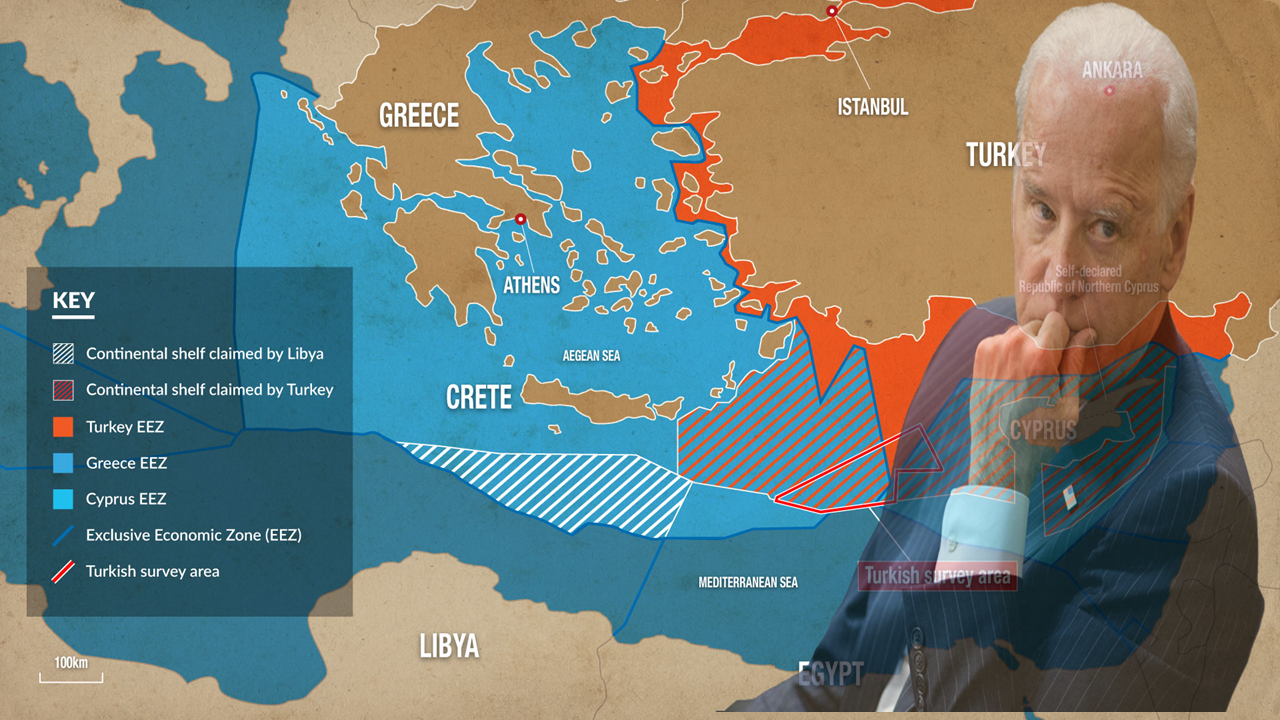 The
United States has decided: with 306 electoral votes, Joe Biden is
officially the 46th U.S. president. Biden’s victory has been considered a
turning point for a number of policy issues, from the tackling of the
COVID-19 pandemic to racial injustice, and it raises important questions
about the future of the U.S. foreign policy. In the face of four years
of isolationism where the U.S. found itself during Trump’s presidency,
Biden’s geopolitical strategy promises to be more internationalist, with
a greater consideration for multilateral agreements and international
organizations. A greater focus on climate, environment and NATO is
expected. In this context, the recovery of relations with the old
continent will certainly be one of the foreign policy priorities. As for
relations with China, the main dossiers will probably concern human
rights, Taiwan and Hong Kong. The president-elect may also be willing to
defuse tensions with Iran, reducing the sanctions against Tehran and
reviving the nuclear deal.


 Κείμενο: Όμηρος Ταχμαζίδης



 του Κωνσταντίνου Ν. Τσαπάκη*