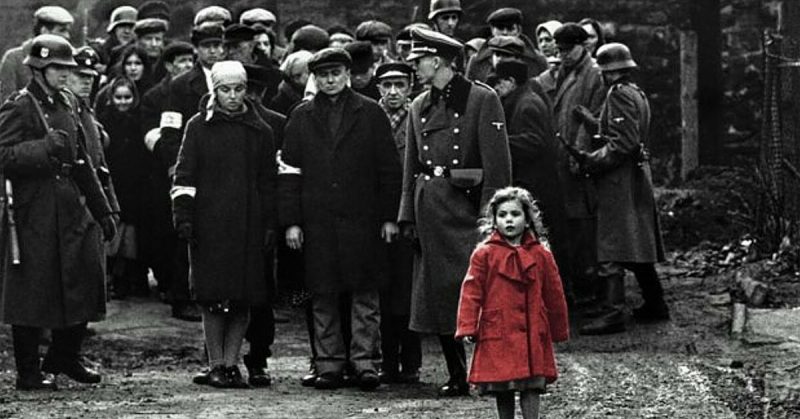
Here are 25 things you probably didn’t know about the making of this cinematic masterpiece:
1.
One of the 1,200 Jews Schindler saved from the Nazi, emigrated to the
United States in 1948. After opening a luggage store in Beverly Hills,
he spent 40 years trying to make a film about his saviour. In 1951 he
approached director Fritz Lang but it didn’t work out. Later on he
convinced Thomas Keneally, an Australian author, to write the novel
“Schindler’s Ark”, in 1982.
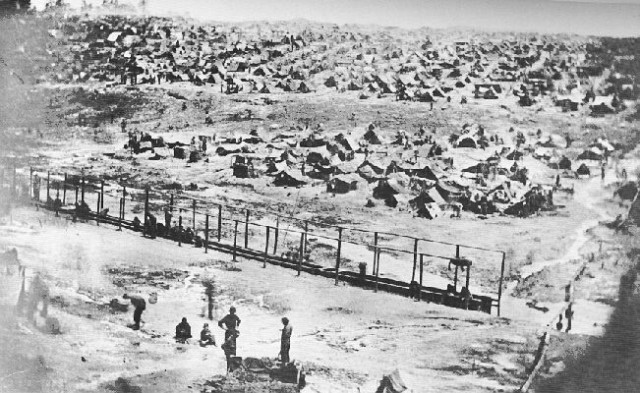
“Hang Him” and “Remember Andersonville” were epithets screamed by former Union prisoners of war at the hanging, on 10th
November 1895, of one of America’s most notorious and controversial
civil war criminals. So who was this devil in disguise? He was
Heinrich Hartmann Wirz, better known as Henry Wirz, the commandant of
the notorious Confederate concentration camp, Camp Sumter, or
Andersonville as it was known to Union soldiers.
Henry
Wirz was born on the 25th of November in 1823 to Caspar Wirz and Sophie
Barbara Philip in Zurich, Switzerland. He was educated to secondary
school level and dreamed of becoming a doctor, but his parents could not
afford the medical school fees, so he became a merchant. In August of
1845, he was sentenced to four years imprisonment for failing to pay his
debts, but was given the option of having his sentence commuted to
twelve years of enforced emigration, which he chose.
Wirz went
first to Russia in 1848 and then in the following year he moved on to
the USA where he held several positions, ending up in Louisiana where he
worked as a plantation overseer and doctor near Fort Levin.
The
newly created AC-130J Ghostrider awaits takeoff for its first official
sortie Jan. 31 at Eglin Air Force Base, Fla. The Air Force Special
Operations Command MC-130J arrived at Eglin in January 2013 to begin the
modification process for the AC-130J, whose primary mission is close
air support, air interdiction and armed reconnaissance. A total of 32
MC-130J prototypes will be modified as part of a $2.4-billion AC-130J
program to grow the future fleet. (U.S. Air Force photo/Sara Vidoni)
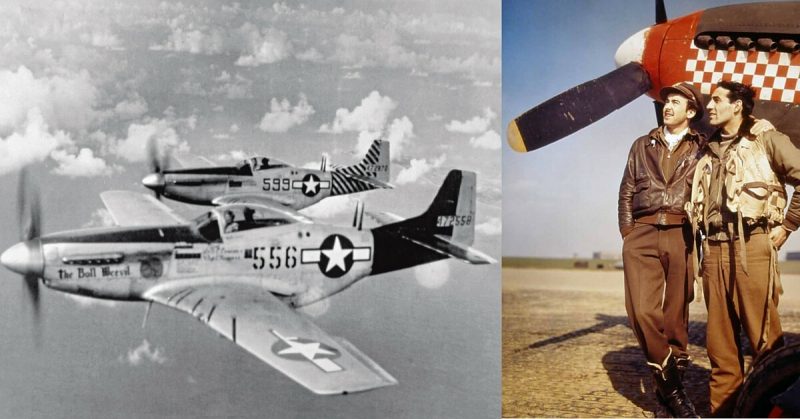
Celebrate 75 years of the iconic World War II warbird that helped win the war and flew into the heart of American life.
From
D-Day to the Battle of the Bulge, through reconnaissance missions and
combat, fighting flying bombs and Me 262 Stormbird jets, P-51 Mustang
pilots saw it all during World War II. P-51 Mustang celebrates the 75th
anniversary of the most iconic American warbird written by Cory Graff,
lead curator at the Flying Heritage Collection–one of the world’s most
important collections and sites for warbird restoration.
During one of the test flights of the first FM Airacuda, on September 28, 1939 one of the turbo-superchargers exploded. source“Flying
the Bell Airacuda was a new experience for me, since it was the first
pusher aircraft I’d ever flown. Its handling characteristics were
foreign to anything I had ever had my hands on. Under power it was
unstable in pitch, but stable with power off. While flying straight and
level, if a correction in pitch was required, a forward push on the
control resulted in the airplane wanting to pitch over even more. Pitch
control became a matter of continually jockeying the controls, however
slightly, even when the aircraft was in proper trim. The same applied if
pulling back on the control. It would tend to continue pitching up,
requiring an immediate corrective response. The same happened in a turn
with power off, the Bell became stable in pitch. This was fortunate
because during approach and landing, it was very stable, and a nice
flying airplane.” – Test pilot Erik Shilling
Κολομβιανός
συγγραφέας, δημοσιογράφος και σεναριογράφος. Από τους σημαντικότερους
μυθιστοριογράφους του 20ου αιώνα και ίσως ο σπουδαιότερος συγγραφέας της
ισπανόφωνης λογοτεχνίας μετά τον Θερβάντες. Από τους κριτικούς
εντάσσεται στο λογοτεχνικό ρεύμα του μαγικού ρεαλισμού. Το 1982 τιμήθηκε
με το Νόμπελ Λογοτεχνίας για το αριστούργημά του «Εκατό χρόνια
μοναξιάς».
Ο Γκαμπριέλ Γκαρσία Μάρκες (Gabriel García Márquez) γεννήθηκε στις 6 Μαρτίου
του 1927 στην πόλη Αρακατάκα της Κολομβίας. Ήταν γιος του φαρμακοποιού
Γκαμπριέλ Γκαρσία και της Λουίζα Μάρκες, κόρης στρατιωτικού. Ο μικρός
Γκάμπο, όπως ήταν το χαϊδευτικό του, μεγάλωσε με τον παππού του, τον
συνταγματάρχη Νικολάς Ρικάρντο Μάρκες και τη γιαγιά του Τρανκιλίνα έως
τα δέκα του χρόνια, ακούγοντας τις ιστορίες της γιαγιάς του για
φαντάσματα και τις ατέλειωτες διηγήσεις του παππού του για τους
εμφύλιους πολέμους, ιστορίες που αποτελούν το υλικό των μετέπειτα
μυθιστορημάτων του.
Πολυβραβευμένος
έλληνας ποιητής, με διεθνή αναγνώριση. Στα 70 και πλέον χρόνια της
ενασχόλησής του με την ποίηση, συγκέντρωσε τις περισσότερες ίσως
διακρίσεις, που έχουν δοθεί σε έλληνα ποιητή. Θεωρείται ένας από τους
σημαντικότερους λυρικούς ποιητές της μεταπολεμικής περιόδου. Ο
νομπελίστας Οδυσσέας Ελύτης
τον είχε χαρακτηρίσει «Ευρωπαίο ποιητή μιας σπάνιας ευαισθησίας και
βαθύ γνώστη της λυρικής τέχνης, που αξίζει τον έπαινο, όχι μόνο της
ιδιαίτερης πατρίδας του, αλλά και των καλλιεργημένων ανθρώπων όλου του
κόσμου».
Ο Τάκης Βαρβιτσιώτης γεννήθηκε στις 17 Απριλίου
1916 στη Θεσσαλονίκη. Σπούδασε στη Νομική Σχολή του Αριστοτελείου
Πανεπιστημίου και εργάστηκε ως δικηγόρος. Την πρώτη του ποιητική
εμφάνιση την έκανε σε ηλικία είκοσι ετών, στο πρωτοποριακό περιοδικό
«Μακεδονικές Ημέρες», με την εκδοτική ομάδα του οποίου συνδέθηκε στενά.
Έκτοτε, αφιερώθηκε στην ποίηση με πάθος και συνέπεια.
Φιγούρα
των κινουμένων σχεδίων, που γεννήθηκε στα στούντιο της Warner το 1937.
Πρόκειται για μία υστερική μαύρη πάπια, που έφερε την τρέλα στον κόσμο των καρτούν. Μέχρι τότε, στη θεματική των κινουμένων σχεδίων κυριαρχούσαν καθημερινοί χαρακτήρες, όπως ο Μίκυ Μάους.
Ο
Ντάφυ Ντακ (Daffy Duck) είναι δημιούργημα του μεγάλου αμερικανού
καρτουνίστα Τεξ Έιβερι, που μπόλιασε με τις σουρεαλιστικές πινελιές του
τον μικρόκοσμο των χάρτινων ηρώων. Στο σχεδιασμό του έπαιξε σημαντικό
ρόλο και μια άλλη μεγάλη προσωπικότητα των κινουμένων σχεδίων, ο Μπομπ
Κλάμπετ (Μίκι Μάους, Πόρκι Πιγκ). Τη φωνή του στον ήρωα «δάνειζε» μέχρι το 1989 ο Μελ Μπλανκ (Μπαγκς Μπάνυ), ο κορυφαίος φωνητικός ηθοποιός στις ΗΠΑ.
Ο Ντάφι έκανε το κινηματογραφικό του ντεμπούτο στη μαυρόασπρη ταινία μικρού μήκους του Τεξ Έιβερυ Porky's Duck Hunt, η οποία βγήκε στις αμερικανικές αίθουσες στις 17 Απριλίου
1937. Ο ρόλος του ήταν μικρός, αλλά γρήγορα ξεχώρισε και τα επόμενα
χρόνια ήταν από τους πρωταγωνιστές στις σειρές κινουμένων σχεδίων Loony Tunes και Merry Melodies, ως αντίπαλο δέος του καλοκάγαθου Πόρκι Πιγκ, με τον οποίο αργότερα έγιναν φίλοι.
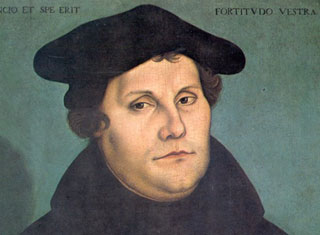
Ο
γερμανός θεολόγος Μαρτίνος Λούθηρος, που με τις 95 θέσεις του χώρισε
την Ευρώπη σε καθολικούς και διαμαρτυρόμενους, αφορίζεται από την
Καθολική Εκκλησία.
Άγγλος
ηθοποιός και σκηνοθέτης του βωβού κινηματογράφου, που απέκτησε διεθνή
φήμη ενσαρκώνοντας τον Σαρλό, και σκόρπισε και σκορπά άφθονο γέλιο σε
μικρούς και μεγάλους.
Ο Τσαρλς Σπένσερ «Τσάρλι» Τσάπλιν (Charles Spencer «Charlie» Chaplin) γεννήθηκε στις 16 Απριλίου
1889 στο Λονδίνο από γονείς θεατρίνους. Τα παιδικά του χρόνια κάθε άλλο
παρά γελαστά κι ευτυχισμένα ήταν. Μετά τον πρώιμο χωρισμό των γονιών
του πέρασε τη νηπιακή ηλικία του ανάμεσα σε μπουλούκια θεατρίνων,
συνοδεύοντας τη μητέρα του στις περιοδείες της ανά την αγγλική
επικράτεια. Όταν, όμως, βρέθηκε ορφανός από πατέρα και με μητέρα άνεργη,
η ζωή του μικρού Τσάρλι άρχισε να μοιάζει ολοένα και περισσότερο
βγαλμένη από τις σελίδες του Ντίκενς. Για να κερδίσει το μεροκάματο της
οικογένειας αυτοσχεδιάζει μικρά χορευτικά στους δρόμους του κακόφημου
Λονδίνου και μαζεύει τις πενταροδεκάρες των περαστικών.
Ιταλοί ερευνητές ισχυρίζονται πως ανακάλυψαν τους ζώντες συγγενείς του σπουδαίου καλλιτέχνη της Αναγέννησης Λεονάρντο ντα Βίντσι.
Παρά
το γεγονός ότι το σώμα του έχει εξαφανιστεί εδώ και αιώνες και δεν
υπήρχε υλικό για DNA, δύο ιταλοί ιστορικοί, ο Αλεσάντρο Βετσόζι και ο
Ανιέζε Σάμπατο, δήλωσαν σε συνέντευξη Τύπου στη Φλωρεντία πως εντόπισαν
τους σύγχρονους συγγενείς του καλλιτέχνη, μηχανικού και μαθηματικού του
15ου αιώνα. Μεταξύ αυτών και ο Ιταλός σκηνοθέτης Φράνκο Τζεφιρέλι.
Η πλήρης έκδοση της ημερομηνίας αυτής περιλαμβάνει 122 Γεγονότα, 35 Γεννήσεις και 19 Θανάτους.
Για να δείτε την πλήρη έκδοση ή να ενεργοποιήσετε τα φίλτρα θα πρέπει πρώτα να συνδεθείτε.
Δεν είστε ακόμα συνδρομητής; Μάθετε περισσότερα!
H Πλήρης Έκδοση διατίθεται και ως eBook στο Κατάστημα!
μ. Χ.
1821
Ο
πλοίαρχος Νικόλαος Παπαδόπουλος Σκλάβος από την Κεφαλλονιά περισυλλέγει
στη θαλάσσια περιοχή της Κωνσταντινούπολης το σώμα του οικουμενικού
πατριάρχη Γρηγορίου Ε', που απαγχονίστηκε με διαταγή του Σουλτάνου στις 10 Απριλίου 1821, ως αντίποινα για τον ξεσηκωμό των Ελλήνων.
Από
τους δυναμικότερους και πιο επιτυχημένους επιχειρηματίες του 20ου
αιώνα, με διεθνή αναγνώριση και καταξίωση. Εφοπλιστής, από τους
θεμελιωτές του μεταπολεμικού ελληνικού θαύματος στη ναυτιλία. Η
«βεντέτα» του σε προσωπικό και επιχειρηματικό επίπεδο με τον σύγγαμβρό
του Αριστοτέλη Ωνάση τροφοδότησε τις στήλες των εφημερίδων όλου του κόσμου και διαμόρφωσε μέρος του προσωπικό του μύθου.
Recently
in the UK there was a programe on TV that had caused outrage in the
academic world and beyond. Channel 5 had been accused of ‘disrespecting’
the war dead, after it decided to show a controversial TV series that
has already been scrapped for being too distasteful. Nazi War Diggers
was cancelled by the National Geographic channel in 2014, and by Foxtel
in Australia this year, after archaeologists slammed its gruesome
content.
The
series follows two metal-detecting enthusiasts, a Polish relic hunter
and an American military antiques dealer as they excavate battlegrounds
across Eastern Europe.According to Clearstory, the London production
company which made the show, it aims to ‘recover battlefield
artefacts…and bury the dead with honour’.However, respected
archaeologists and campaigners are furious over the way they approach
the excavations. A preview video posted on the National Geographic
website showed presenters removing body parts from a grave in Latvia. At
one point, the men mistook a leg bone for an arm bone, after wrenching
it from the ground. ‘It comes across as ghoulish,’ said Dr Tony Pollard,
director of the centre for Battlefield Archaeology at Glasgow
University, who was one of a number of leading academics who called for
the show to be scrapped.
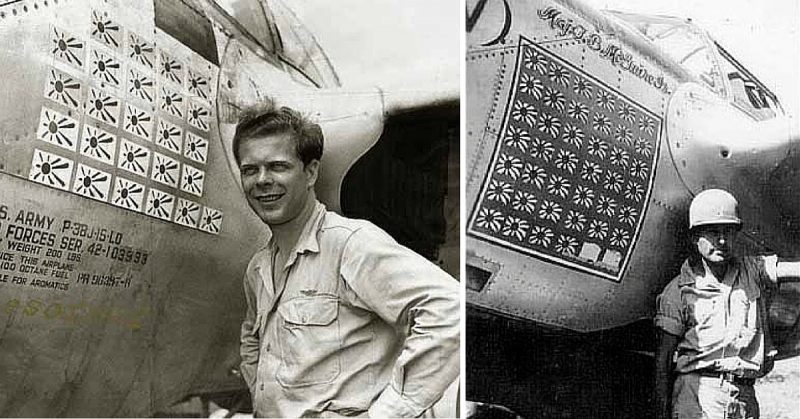
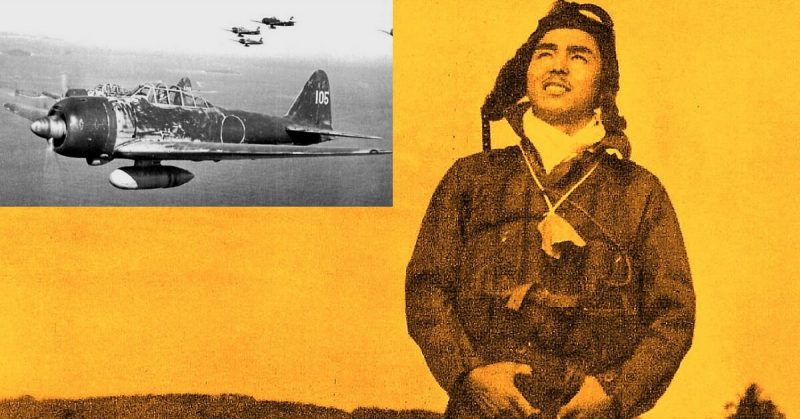
Hiroyoshi Nishizawa earned himself many names, but he's probably best known as The Devil of Rabaul (Wikipedia)
“In the ocean of the military, reflective of all distinguished pilots, an honored Buddhist person.”
So
translates the name awarded to Japanese pilot Hiroyoshi Nishizawa
following his death in 1944. His passing was sudden, unexpected; an
anticlimactic end to a remarkable tale. In death, his superiors honoured
him with a Zen Buddhist moniker; Bukai-in Kohan Giko Kyoshi. In life,
however, he earned himself a very different title.
The Devil of Rabaul, they called him, and not without good reason.
For
his enemies this young man bore a terrifying reputation. The Second
World War encompassed all corners of the world, but in the east, where
the Allies faced the deadly power of the Japanese air force, much of the
combat was defined by the rise of the aces.
Skilled pilots on
both sides fought terrifying aerial battles, carried out daring raids
against the enemy and engaged with combatants in the air, on the land
and on the sea. Yet even amongst the many outstanding Japanese aces,
there was no one quite like Nishizawa.
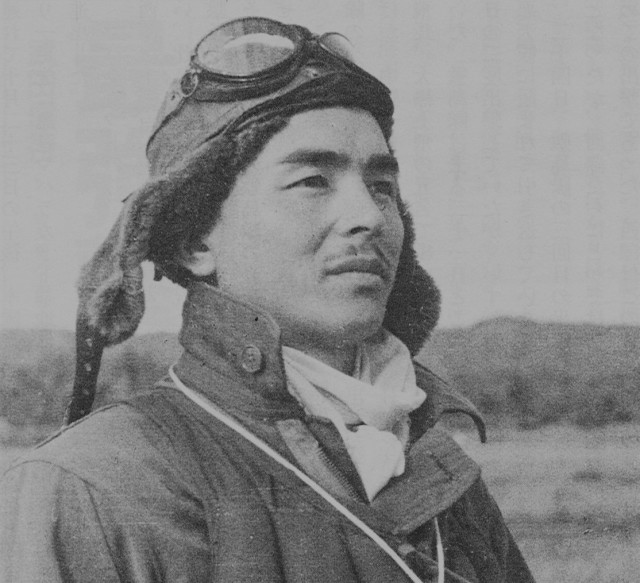
Hiroyoshi
Nishizawa was arguably the greatest Japanese ace in history, with some
historians attributing more than 100 kills to this one man (Wikipedia)
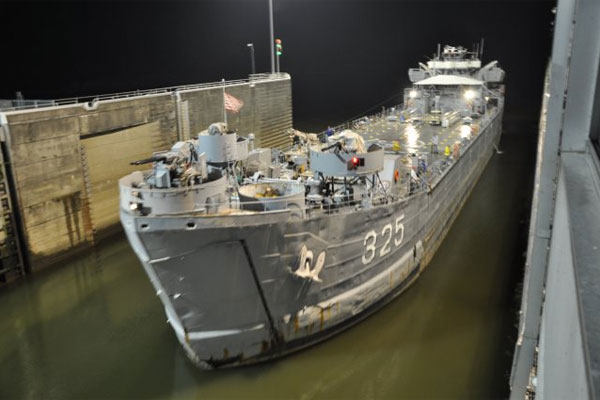
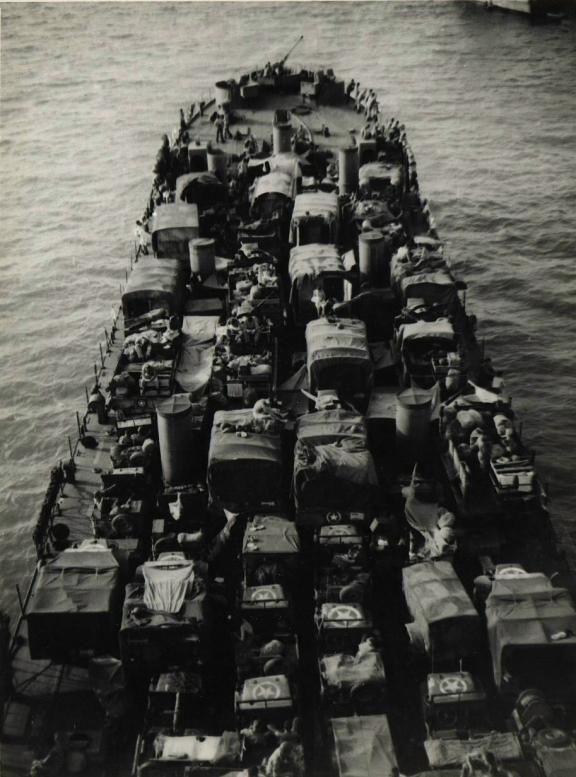
After the Second World War, many ships that were not sold for scrap metal, were transferred to allied countries.
One of those vessels, the LST-325 (Landing Ship Tank), which was built
in 1943, was given to Greece in 1964 and remained until decommissioning
in 1993 in the ranks of the Hellenic Navy.
Knights Templar (or simply Templars), mysteries and warfare –
these three avenues had an obscured connection when it came to the
mercurial times of the medieval Crusades. In fact, their full name ‘Poor
Fellow-Soldiers of Christ and of the Temple of Solomon’ (or Pauperes commilitones Christi Templique Salomonici
in Latin) directly pertains to the enigmatic Temple of Solomon. And
while the Templars did exhibit their fanatical martial prowess on the
battlefields (a ‘quality’ conducive to Crusades), the moniker of ‘Poor
Fellow-Soldiers of Christ’ didn’t really do the organization any
justice. That is because by 13th century AD, the Order administered an
incredibly well-managed economic infrastructure throughout Christendom
while also making innovations in early European banking systems. However
there was more to the Templars than deep fortunes and fervent warfare
tactics. So without further ado, let us take a gander at ten fascinating
facts you should know about the Templars.
1) From praying to fighting –
It is quite a well known fact that the Templars took a vow to defend
their fellow Christians from ‘foreign’ intrusions, especially in the
Outremer (the conglomeration of Crusader States in Levant). But
interestingly enough, their proclivity towards martial pursuits was only
developed as a reactionary measure, rather than a (starting) ideology
that dictated religious warfare. To that end, historically, in the
aftermath of the First Crusade, some of the Christians warriors actually
decided to put away their swords in favor of a monastic lifestyle based
around the Church of the Holy Sepulcher.