Ετικέτες

Παρασκευή 11 Μαρτίου 2016

10 things you may not have known about the Greek Hoplites


10_Facts_Greek_Hoplites
The Greek word for military equipment roughly translates to hopla, and thus a hoplite simply pertained to the ancient version of the ‘man at arms’ or ‘armored man’. Of course, unlike their late medieval counterparts, the hoplites were first and foremost citizen-soldiers – and thus were expected to take part in battles to safeguard their own interests and farms, as opposed to viewing military as a well-paying career. And while the ‘classic’ well-armored and trained Greek soldier was ultimately eclipsed by the tactical Macedonian phalanx in late 4th century BC, Greek hoplites (and their predecessors) had dominated the European battlefields for almost three centuries before that. So without further ado, let us check out ten incredible facts you might not have known about the Greek hoplites.

1) ‘Tribes’ without blood relations –

10_Facts_Greek_Hoplites_1
The so-called ‘tribe’ in Greek city-states were rather a politico-military evolution, contrary to what ‘tribal’ warfare suggests. Simply put, the state probably organized its citizens and thus fighting men into tribes that had a purpose both census-wise and politically – as opposed to the conventional tribe that is primarily tied by blood relations. This arrangement possibly took roots by the 7th century as a more immediate solution for organized warfare and defense. In short, the tribe system (with ties of citizenry, not blood) was a natural evolution of the Greek society and military that required disciplined formations and trained men for protracted warfare, a factor that was rarely encountered (beyond literature) in the previous ‘heroic ages’. Such measures over time gave rise to the Greek hoplites, a class of warriors that was not really separate from the citizens themselves. In essence, a hoplite was a citizen-soldier who took up arms to defend or expand the realm of his city-state. And it should be noted that as a general rule, most adult males of the Greek city-states were expected to perform military service.

2) The oath of the ‘youths’ –

10_Facts_Greek_Hoplites_11
The road to ‘manhood’ for males of most Greek city-states started with military training after the passing of his 18th year (Spartans had a different military system, as discussed here). These adults gathered at one place after their birth records and census was cross-checked – a scenario which happened at the start of every year, which in most ancient Greek calendars was just after the passing of summer. And on clearing these official requirements, they were asked to dress in the full war panoply and then utter an oath. In case of Athens, the oath was taken in the Temple of Aglauros, and the (preserved) text is as follows –
I will not disgrace my sacred arms nor desert my comrade, wherever I am stationed. I will fight for things sacred and things profane. And both alone and with all to help me. I will transmit my fatherland not diminished but greater and better than before. I will obey the ruling magistrates who rule reasonably, and I will observe the established laws and whatever laws in the future may be reasonably established. If any person seek to overturn the laws, both alone and with all to help me, I will oppose him. I will honor the religion of my fathers. I call to witness the Gods Agraulus, Hestia, Enyo, Enyalius, Ares, Athena the Warrior, Zeus, Thallo, Auxo, Hegemone, Heracles, and the boundaries of my native land, the wheat, the barley, the vines, and the trees of the olive and the fig.
It is better known as the Ephebic Oath, while the young men themselves were called the epheboi (youths) after the ceremony. This marked the starting phase of the next two years of introductory military training known as ‘ephebate’, and it mostly entailed a slew of athletic contests. As for the oath in question, it was found in a preserved state on an engraved 4th century BC stele, inside the ancient Athenian deme (township) of Archarnae.

3) Hoplitodromos – the hoplite race ‘instigated’ by the Persians –

10_Facts_Greek_Hoplites_3
As we discussed in the previous entry, the ephebate training started with the practice of different athletic endeavors. One of these state organized activities entailed the so-called hoplitodromos – an ancient foot race probably making its debut at Olympia in 520 BC. Interestingly, the race event was introduced after the first Greek armies encountered the Persians who were known for their fast archery skills. So the hypothesis can be credibly drawn on how the race was developed and initiated as a fast-moving maneuver for training the Greek hoplites to ‘catch up’ to the Persian archers . To that end, the participants were required to run over a distance of 350-400 m (around 1,300 ft) that covered a single lap of the stadium (or two stades). But at times, the sprinting track was expanded, like at Nemea the distance was increased to 700-800 m, while at Plataea the distance was kept at a whopping 15 stades. This running passage possibly emulated the battlefield tactic of rushing through the enemy skirmishers to reach their actual lines.
Now while the distance in itself was substantial, it also should also be taken into account that the participants had to run in their partial Greek hoplite panoply, including the weighty helmets and greaves. Moreover, they also had to carry shields – which were probably ‘testing’ specimens specifically crafted for the hoplitodromos events. In other words, the shields used in the race might have been lighter counterparts to the actual aspis, the heavier wooden shield (reinforced with a thin sheet of bronze) originally carried in battles.

4) ‘Buddies’ and ‘lovers’ –

10_Facts_Greek_Hoplites_4
In buddy cop movies, the trope usually involves the pairing of a young, ‘green’ but dynamic candidate with the older, wiser and grizzled police veteran. And it seems even the ancient Greeks were quite fond of a similar social set-up where the epheboi (youth) was paired with an older man who still trained in the gymnasia. Now in a conventional scenario, the older male was expected to act as the younger trainee’s guardian, and thus was responsible for the youth’s conduct, courage and even military training during the ephebate period.
However, Greek sources frequently denote such pairs as ‘lovers’ – which is not meant to be taken literally in a sexual sense. In fact, Xenophon makes it clear on how purely physical relationships between males could be officially banned from the state. But that didn’t necessarily stop a few pairs from carrying on their elicit relationships. Some contemporary comedies tended to exaggerate such scenarios of homosexual activities inside the gymnasia. Xenophon also attests to the ‘carnal’ love between young men being prevalent in places like Thebes and Elis.

5) The ‘best’ belonged to the front and the rear of a hoplite phalanx –

10_Facts_Greek_Hoplites_5
Gone were the days of the euphemistic ‘heroic age’, when men fought in chaotic huddles and chosen warriors picked at one another. The Greek hoplites were part of an ‘institution’ who fought in a phalanx formation where every member looked out for each other – and thus the aspis shield was considered as the most crucial part of a hoplite equipment. For example, when the exiled Spartan king Demaratos was asked the question – why men are dishonored only when they lose their shields but not when they lose their cuirasses? The Spartan king made his case – ‘because the latter [other armors] they put on for their own protection, but the shield for the common good of the whole line.’
Interestingly, Xenophon also talks about the more tactical side to a hoplite phalanx, which was more than just a closely-packed mass of armored spearmen. He draws comparison to the construction of a well-built house (in Memorabilia) – “just as stones, bricks, timber and tiles flung together anyhow are useless, whereas when the materials that neither rot nor decay, that is, the stones and tiles, are placed at the bottom and the top, and the bricks and timber are put together in the middle, as in building, the result is something of great value, a house, in fact.” Similarly, in the case of a phalanx of Greek hoplites, the historian talks about how the best men should be placed both in front and rear of the ranks. With this ‘modified’ formation, the men in the middle (with presumably lesser morale or physical prowess) would be inspired by the front-placed men while also being driven forth by the rear-placed men.

6) Classical hoplites probably favored mobility over armor –

10_Facts_Greek_Hoplites_6
When we talk about Classical Greek hoplites, we mean the armored citizen-soldiers who dominated the Greek military world from early 5th century BC to late 4th century BC (before the advent of Alexander the Great). Now intriguingly enough, while popular depictions allude to superbly heavy and imposing ‘bronzed’ round-shields being carried by the Greek hoplites, the aspis was not necessarily meant to be ‘excessive’ in its structure. In fact, the ‘classic’ hoplite shield weighed around 13.5 lbs, which was just a bit heavier than the reformed Roman scutum that weighed 12 lbs. Even its ‘bronzed’ part pertained to just a thin bronze ring (less than half-millimeter in thickness) that draped the wooden shield on the outer face. As for the wood itself, lightweight varieties like poplar and willow were used in composite layers (much like modern day plywood).
In essence, the aspis was rather tailored to mobility as opposed to a heavy protection equipment. Simply put, the hoplite shield acted as a practical deterrent to spear and sword thrusts that must have been common in melee combat scenarios. But it was not exactly the best solution for projectiles that had greater kinetic energy, like javelins and arrows. Pottery scenes conform to the latter mentioned shortcoming of aspis by depicting various pierced shields.

7) The famed helmet crests were just for show and pomp –

10_Facts_Greek_Hoplites_7
Horsehair crests upon helmets have long been the favorite of history reenactment groups and (even it seems) in the actual ancient armies. Ubiquitously dyed in bright and gaudy colors, they unsurprisingly didn’t serve any practical purpose; though such ‘decorations’ might have had some psychological value – with the flourishing crest endowing a more imposing air to the wearer while also making him appear taller. And by the latter Classical period, the type of crest also related to the rank of the hoplite. For example, Lamachus, the Athenian general who took part in the Peloponnesian War, embellished his helmet with three crests and two plumes (as mentioned by Nicholas Sekunda in the Greek Hoplite).
Interestingly, the famed Spartan crimson cloaks were also adopted primarily because of their visual predominance. Plutarch mentioned how the red-hued clothing might have psychologically afflicted the enemy while also hiding the Spartan’s blood wounds. This explanation might have some justification, since most Greek armies contemporary to even Xenophon’s time (the first half of 4th century BC) adopted some variants of the crimson clothing, probably inspired by their Spartan counterparts. And lastly, there was/is the association of vibrant colors to regal means and swagger.

8) Physical infirmity was possibly (mostly) overlooked in case of Spartan hoplites –

10_Facts_Greek_Hoplites_8
While the movie 300 depicted how a physically deformed man named Ephialtes betrayed the Spartans since he was not allowed to serve in the hoplite phalanx, Herodotus’ account doesn’t take such a ‘fantastical’ route. In fact by historical accounts, even men with physical infirmities were liable to serve in the Spartan army, with the greatest example pertaining to Agesilaos (or Agesilaus II), the limping warrior-king of Sparta who oversaw numerous forays into Asia Minor while also playing a successful part in the Corinthian War. And while infant inspections possibly happened as portrayed in the aforementioned movie (at least in few instances), the handicapped adult Spartan probably expected himself to be enrolled in their fighting army. Plutarch gives us an account of a Spartan named Androkleidas who was crippled and thus turned down when he wanted to join the hoplite ranks. His retort was – ‘I do not have to be able to run away, but rather to stand and fight the foe.’

9) Wine before battle –

10_Facts_Greek_Hoplites_9
The ancient Greeks mostly took their meals during two particular times in a day, with ariston mostly equating to what is known as ‘brunch’ nowadays and deipnon equating to dinner – thus allowing most battles to take place in the afternoon period. During both these times, wine was consumed in moderate amounts. However, as Nicholas Sekunda mentions, the Greek hoplites had the tendency to consume extra alcohol or wine just before a battle, so as to calm their nerves. Even a few commanders partook in such ‘reveling’ before serious battlefield encounters. Xenophon mentions how Spartan king Kleombrotos I and his officers drank too much in their council before the disastrous Battle of Leuktra. On the other hand, it should also be noted that ariston was the crucial time when many commanders also ‘soberly’ planned out their moves that involved the formation and maneuvers of the collective host of his army.

10) Morale more important than strength in numbers –

10_Facts_Greek_Hoplites_10
Another popular depiction of ancient warfare frequently involves the pushing and shoving of the Greek hoplites when it clashed with the enemy. Now while such a scenario was probably the credible outcome of two tight phalanxes clashing with each other, in reality many battles didn’t even come to the scope of ‘physical contact’. In other words, a hoplite charge was often not successful because the citizen-soldiers tended to break their ranks (and disperse) even before starting a bold maneuver. As a result, the army that held its ground often emerged victorious – thus exemplifying how morale was far more important than sheer strength in numbers (which alludes to why the Spartans were considered lethal in a battlefield).
Intriguingly, this once again brings us to Xenophon’s ‘house analogy’, where he says the best men were to be placed in the front and rear of a phalanx. And from a practical perspective, while the front-placed men didn’t have any space to run away from the battlefield, it was the rear-placed men who tended to break away from the subsequent charge, thus ultimately resulting in their cumbersome dispersal. One of the solutions for this morale-based predicament was to make the phalanx deeper with more men, so as to psychologically reinforce (rather than physically support) the ones in the rear. Another deep-rooted tradition entailed the singing of encouraging hymns (paeans) dedicated to gods of war just before the hoplites were to begin their progress and charge. So, as with many Greek customs, there might have been a practical side underneath this seemingly religious veneer. Thucydides himself mentioned how the songs and their tunes kept the marching line in order, which encompassed a major battlefield tactic – since Greek warfare (and victory) generally involved closing in with the enemy with a solid, unbroken line.

Sources: MilitaryFactory / Livius / BBC / Koryvantes / LARP

1,800-year old map of Rome, originally boasting a massive 2,600 sq ft in area, gets back a missing piece


Massive_Rome_Map_Forma_Urbis_Missing_Piece_1
A 1,800 year old map of Rome is interesting enough as it is; but the scope is seriously impressive when it comes to the so-called Forma Urbis Romae. Also known as the Severan Marble Plan, this gargantuan map of Rome, originally made between the years 203-211 AD, measured a whopping 18.10 m x 13 m (or 60 ft x 43 ft). This incredibly expansive facade was carved into 150 marble slabs and then mounted across an entire wall inside Templum Pacis (Temple of Peace) in Rome. Furthermore preciseness complemented this massive ambit, with the 1:260 scale map representing almost all the floor plans of temples, baths, and insulae (proto-apartments) situated in the central section of the ‘eternal city’. These were accompanied by etchings of the street names, public building landmarks and private residences – with intricate details like columns and staircases even being represented in some cases. In essence, as Stanford University said – “the Severan Marble Plan is a key resource for the study of ancient Rome”

Το παραμύθι της “Ενωμένης” Ευρώπης θρυμματίζεται


Η σκυταλοδρομία του κυνισμού συνεχίζεται με τον Τουσκ να ευχαριστεί αυτούς που εγκλώβισαν τους πρόσφυγες στη χώρα μας
Όταν πηγαίνεις στη Σύνοδο Κορυφής με πρώτο αίτημα να καταστεί σαφές ότι “μονομερείς ενέργειες δεν είναι επιτρεπτές και ότι όσοι τις επιλέγουν θα έχουν τις ανάλογες συνέπειες” και μετά από την 15ωρη συνεδρίαση δεν υπάρχουν όχι “συνέπειες” αλλά ούτε μια στοιχειωδώς αποδοκιμαστική δήλωση τέτοιων συμπεριφορών, υπάρχει πρόβλημα.
AdTech Ad
Το πρόβλημα γίνεται μεγαλύτερο όταν ο πρόεδρος του Ευρωπαϊκού Συμβουλίου κάνοντας… πενηνταράκια την απόφαση της Συνόδου ανακοινώνει πως «Οι παράνομες ροές μεταναστών στην οδό των Δυτικών Βαλκανίων έφτασαν στο τέλος τους. Ούτε κουβέντα για μονομερείς ενέργειες, αλλά κοινή δράση των 28 κρατών της ΕΕ».

«Κάνε πέρα φασίστα, υπάνθρωπε»…


Η Χρυσή Αυγή (με σχέδιο νόμου) προτείνει φυλακές καταναγκαστικής εργασίας, για πρόσφυγες και μετανάστες
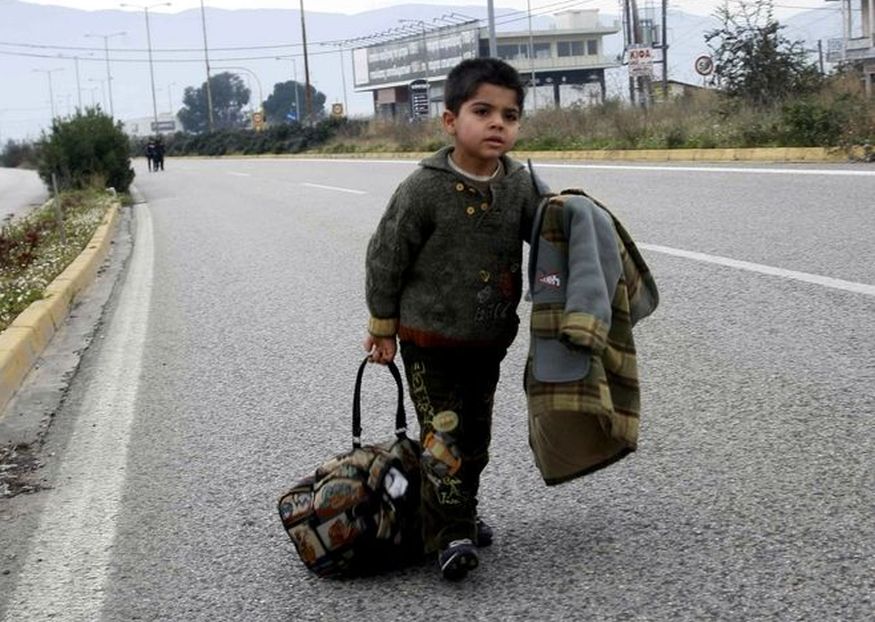
Φασίστα, θα έβαζες και τον μικρό της φωτογραφίας στις φυλακές καταναγκαστικής εργασίας που φαντασιώνεσαι; Μόνο και μόνο το βλέμμα του μπορεί να σε τσακίσει. Ξέρει καλά τους εχθρούς του. Έχει περάσει ένα ταξίδι ελπίδας και απελπισίας και συνεχίζει. Εσένα θα φοβηθεί; Τον βλέπεις στη φωτογραφία; Στο λέει ξεκάθαρα: «Κάνε πέρα φασίστα, υπάνθρωπε. Έχω δρόμο μπροστά μου».
Η Χρυσή Αυγή θα καταθέσει ένα σχέδιο νόμου, που «θα λύσει σε μία μόνο ημέρα το λαθρομεταναστευτικό», όπως γράφει στην επίσημη ιστοσελίδα της. Εκεί, εξηγούνται αναλυτικά οι φαντασιώσεις των φασιστών: Προτείνουν να μετατρέπεται σε «ιδιώνυμο αδίκημα» η «παράνομη διέλευση των ελληνικών συνόρων από πολίτες ξένων χωρών». Συγκεκριμένα, το σχέδιο νόμου θα «προβλέπει την άμεση σύλληψη των λαθρομεταναστών την στιγμή που εισέρχονται παράνομα στην ελληνική επικράτεια και την επιβολή αυστηρών ποινών χωρίς αναστολή».

Η θέση της γυναίκας κατά την Αγία Γραφή και την Παράδοση της Εκκλησίας


16
Η 25η Νοεμβρίου, ημέρα της μνήμης της Αγίας Αικατερίνης, έχει οριστεί από τον ΟΗΕ ως ημέρα για την εξάλειψη της βίας κατά των γυναικών. Η ανάγκη να τονιστεί η αξία της γυναίκας είναι πολύ επίκαιρη, ιδιαιτέρως μετά την επικράτηση σε κάποιες χώρες φονταμενταλιστικών ιδεολογιών, που στρέφονται κατά της γυναικείας αξιοπρέπειας και επιβάλλουν την υποτίμηση της γυναικείας φύσης. Αντίθετα η Εκκλησία τονίζει την ισοτιμία των δύο φύλων και εξοβελίζει κάθε διχασμό ανάμεσα στους άνδρες και τις γυναίκες.
Από την αρχική διήγηση της Γένεσεως μαθαίνουμε ότι ο Θεός «ἐποίησεν τόν ἄνθρωπον, κατ’ εἰκόνα θεοῦ ἐποίησεν αὐτόν, ἄρσεν καί θῆλυ ἐποίησεν αὐτούς» (Γεν. 1, 27). Η διήγηση αυτή τεκμηριώνει την ισοτιμία των φύλων, αφού αυτά συμμετέχουν στην ίδια δημιουργία αλλά και είναι προικισμένα με τα ίδια ακριβώς χαρίσματα από τον Θεό και έχουν τον ίδιο προορισμό, το «καθ’ ὁμοίωσιν». «Καί εὐλόγησεν αὐτούς λέγων, αὐξάνεσθε καί πληθύνεσθε καί πληρώσατε τήν γῆν καί κατακυριεύσατε αῦτῆς καί ἄρχετε … πάντων τῶν κτηνῶν καί πάσης τῆς γῆς…» (Γεν. 1, 28).

Obama Is No George H. W. Bush

The contrast with the 41st president could not be greater.

America's 6th Generation Fighter: The F-22 Raptor Rises from the Ashes?

F-22 Raptor
The Pentagon erred in prematurely terminating the stealthy Lockheed Martin F-22 Raptor air superiority fighter program—having miscalculated how quickly the Russians and Chinese would develop new aircraft. While the Raptor is not likely to brought back into production, the Air Force and Navy have started work on a next generation air superiority capability.
The basic problem stems from a mistake that was made in the aftermath of the Cold War. During the 1990s and the early 2000s—with the Soviet threat evaporating—the Defense Department did not anticipate facing off against a near-peer threat in the foreseeable future. That assessment was wrong—as Russian and Chinese developments have shown.

DRONES:POTENTIAL USE IN USA AND ABROAD (Μικρή συλλογή άρθρων)

A)Pentagon admits it has deployed military spy drones over US
A drone sits on the tarmac at Beale Air Force Base, Calif., in May 2012.
 By Gregg Zoroya
USA Today (Tribune News Service)
  The Pentagon has deployed drones to spy over U.S. territory for non-military missions over the past decade, but the flights have been rare and lawful, according to a new report.
The report by a Pentagon inspector general, made public under a Freedom of Information Act request, said spy drones on non-military missions have occurred fewer than 20 times between 2006 and 2015 and always in compliance with existing law.

Η ΡΩΣΙΚΗ ΑΡΚΟΥΔΑ ΔΕΙΧΝΕΙ ΤΑ ΝΥΧΙΑ ΤΗΣ :ΥΠΟΒΡΥΧΙΑ ΣΤΗΝ ΑΡΚΤΙΚΗ, ΑΕΡΠΟΠΛΑΝΑ ΣΤΗΝ ΙΝΔΟΝΗΣΙΑ (Μικρή συλλογή άρθρων)

Α)Russian Boomers Set to Conduct Largest Live-Fire Drill in 25 Years

Printer-friendly version
The Russian Navy is set to conduct a massive live-fire nuclear exercise on a scale not seen since before the collapse of the Soviet Union.
Two new 24,000-ton Project 955 Borei-class ballistic missile submarines are participating in the exercise. Of the two Northern Fleet boats participating—Yury Dolgoruky and Vladimir Monomakh—one will sequentially launch its entire payload of sixteen RSM-56 Bulava missiles in a drill that replicates the Soviet-era Begemot II exercise which took place in August 1991—reports the Russian media outlet Izvestia. It’s not clear which of the two boomers will conduct the test.

ΚΡΙΣΗ ΣΤΗΝ ΚΟΡΕΑ (;):ΒΟΜΒΑΡΔΙΣΤΙΚΑ ΤΩΝ ΗΠΑ ΚΑΙ ΠΥΡΑΥΛΟΙ ΤΗΣ Β. ΚΟΡΕΑΣ (Μικρή συλλογή άρθρων)

Α)US sends 3 nuclear stealth bombers to Pacific
B-2 BOMBER
WASHINGTON — The United States has deployed three B-2 Spirit nuclear stealth bombers to support U.S. PacificCommand, U.S. Strategic Command announced Wednesday.
The aircraft are the United States’ most advanced bomber and part of its nuclear deterrent defenses.
It is not the first time that the United States deployed the B-2 bombers to the Pacific Command. Last fall, the U.S. Air Force deployed three B-2s to Guam. In March 2013, the U.S. sent two B-2s to conduct a flyover near Seoul, South Korea. All three bomber deployments followed North Korean missile tests.
In recent weeks, U.S. and South Korean officials have publicly discussed providing additional strategic defenses for South Korea, including deploying the Terminal High Altitude Area Defense missile defense system. The officials announced they were discussing its deployment in response to long-range missile launches in early February by North Korea.

Ο Stratioti Νικόλαος Μώζερας


nasa-yiangos
Προλογίζει ο Γεώργιος Ε. Γεωργάς
Η έρευνα μας πάνω στην οπλομαχία των Βυζαντινών και Μεταβυζαντινών συνεχίζεται και έρχονται στην επιφάνεια στοιχεία που συνεχώς αποδεικνύουν το πώς επηρεάστηκε η οπλομαχία των Ιταλών από τους συνεχιστές των Βυζαντινών πολεμιστών. Των Stratitoti. Υπάρχουν οικογένειες που για χρόνια υπηρετούσαν το στρατό της Βενετίας με διαδοχή που πήγαινε από πατέρα σε γιό ενώ πολλοί γινόντουσαν και ιππότες όπως έχομε πει σε παλαιότερα άρθρα μας. Διαβάστε τη ζωή του Νικόλαου Μωζερά τρομερού πολεμιστή και ξιφομάχου που ακόμα και σκλάβος κατάφερε να διασωθεί στη Ναυμαχία της Ναυπάκτου.
Tης Νάσα Παταπίου από ‘Παράθυρο’
Ο Νικόλαος Μώζερας, με καταγωγή από την Πελοπόννησο, υπήρξε ένας από τους υπερασπιστές της Λευκωσίας το 1570 και σε ένα αίτημά του προς τη βενετική Γερουσία καταγράφει τη δράση του κατά τη διάρκεια του πολέμου της Κύπρου.
Στις 12 Μαρτίου του 1575, η βενετική Γερουσία μετά από σύσκεψή της είχε εξετάσει και πήρε αποφάσεις για διάφορα αιτήματα κάποιων υπηκόων της. Μεταξύ αυτών των αιτημάτων είχε εξεταστεί και ένα αίτημα το οποίο είχε υποβληθεί από έναν υπερασπιστή της Λευκωσίας το 1570, κατά τη διάρκεια της πολιορκίας της από τους Οθωμανούς. Επρόκειτο για τον stradioto Νικόλαο Μώζερα με καταγωγή από την Πελοπόννησο. Το περιεχόμενο του αιτήματός του ξεδιπλώνει τη δική του ιστορία, αλλά και αυτή της οικογένειάς του.
Ο Νικόλαος Μώζερας καταγόταν από μια μεγάλη οικογένεια Ελληνοαλβανών που υπηρετούσαν γενεές γενεών στα βενετικά στρατιωτικά σώματα του ελαφρού ιππικού, γι’ αυτό και ο ίδιος σημειώνει στο αίτημά του ότι ακολούθησε το παράδειγμα των προγόνων του και εντάχθηκε σ’ αυτά. Ήταν γιος του αείμνηστου Γκιώνη Μώσερα από το Ναύπλιο (Napoli di Romania) και είχε εγκατασταθεί στην Κύπρο μαζί με τους αδελφούς του για να υπηρετήσει στο ελαφρύ ιππικό. Δεν γνωρίζουμε πότε ακριβώς είχε εγκατασταθεί στην Κύπρο, γιατί ο ίδιος δεν μνημονεύει κάτι σχετικό στο αίτημά του, αλλά φαίνεται να είχε έρθει αρκετά πριν γιατί στη μεγαλόνησο είχε ήδη και δική του οικογένεια. Ο Νικόλαος εντάχθηκε στον λόχο του ιππότη Παλαιολόγου και υπερασπίστηκε τη Λευκωσία. Ο αδελφός του Μαρτίνος υπηρέτησε στον λόχο του διοικητή Ανδρέα Ροντάκη και ο αδελφός του Κόντος στον λόχο του Κόντου Ροντάκη και υπερασπίστηκαν και οι δύο την Αμμόχωστο κατά τη διάρκεια της πολιορκίας της από τους Οθωμανούς.
Στα Λεύκαρα και στο Δάλι
Ο Νικόλαος Μώζερας καταγράφει στο αίτημά του τη δράση του κατά τη διάρκεια του πολέμου της Κύπρου και στη συνέχεια μετά την αιχμαλωσία του τις περιπέτειές του. Όταν είχε αφιχθεί στην Κύπρο η οθωμανική αρμάδα, ο Νικόλαος Μώζερας από τις Αλυκές μετέβη πρώτα στην Αμμόχωστο και μετά στη Λευκωσία, επιφορτισμένος να μεταφέρει επίσημες επιστολές από τη διοίκηση της Αμμοχώστου στη διοίκηση της πρωτεύουσας. Όταν οι Οθωμανοί αποβιβάστηκαν στις Αλυκές της Λάρνακας και άρχισαν να λεηλατούν και να προκαλούν καταστροφές έως τα Λεύκαρα και στα γύρω χωριά, ο Νικόλαος Μώζερας έλαβε μέρος στις επιθέσεις που πραγματοποίησαν εναντίον των εχθρών οι Βενετοί με το ελαφρύ ιππικό. Στη συνέχεια, οι κάτοικοι των Λευκάρων αναγκάστηκαν να δηλώσουν υποταγή στον εχθρό για να αποτρέψουν περαιτέρω καταστροφή του χωριού και των κατοίκων του. Οι Βενετοί, πανικόβλητοι μήπως και άλλα χωριά αλλά και οι Κύπριοι χωρικοί που είχαν συγκεντρωθεί στα βουνά του Τροόδους δηλώσουν υποταγή στον εχθρό και δεν αντισταθούν, έδωσαν εντολή να φονευθούν όλοι οι ενήλικες αρσενικού γένους Λευκαρίτες και να πυρποληθεί το χωριό. Ανάμεσα στα μέλη του ελαφρού ιππικού που είχαν μετά από εντολή αναλάβει να τιμωρήσουν τους Λευκαρίτες και να καταστρέψουν το χωριό τους ήταν και ο Νικόλαος Μώζερας.
Ο Ναυπλιώτης ιππέας έλαβε μέρος και σε μια επίθεση εναντίον των εχθρών που είχε γίνει στο Δάλι. Μια ομάδα έφιππων Οθωμανών, στην προσπάθειά της να ανιχνεύσει τον χώρο προχωρώντας προς τη Λευκωσία, όταν έφθασε στο Δάλι δέχθηκε επίθεση από έναν λόχο του ελαφρού ιππικού και έπαθε πραγματική πανωλεθρία. Πάρα πολλοί από αυτούς φονεύθηκαν και αρκετοί αιχμαλωτίστηκαν και μεταφέρθηκαν στη Λευκωσία μαζί με τα κεφάλια των σκοτωμένων. Αλλά και όταν αργότερα οι Οθωμανοί στρατοπέδευσαν έξω από τη Λευκωσία και έστησαν το πυροβολικό και άρχισαν να την πολιορκούν, ο Νικόλαος Μώζερας μαζί με άλλα μέλη του ελαφρού ιππικού έβγαιναν τις νύχτες έξω από τα τείχη και προκαλούσαν δολιοφθορές στο οθωμανικό στρατόπεδο. Θέση από την οποία υπερασπιζόταν την πόλη, όπως ο ίδιος αναφέρει στο αίτημά του, ήταν ο προμαχώνας Ποδοκάθαρο, τον οποίο αποκαλεί προμαχώνα του Λίβιου Ποδοκάθαρου, εφόσον αυτός είχε καταβάλει δέκα χιλιάδες δουκάτα για την οικοδόμησή του. Σύμφωνα με τις αφηγήσεις αυτόπτων μαρτύρων της πολιορκίας και άλωσης της Λευκωσίας, ο προμαχώνας Ποδοκάθαρο είχε δεχθεί τις πιο ανελέητες επιθέσεις από τους εχθρούς. Από τον ίδιο προμαχώνα κατόρθωσαν και εισχώρησαν οι εχθροί μέσα στην πόλη και την κυρίευσαν.
Αιχμάλωτος κωπηλάτης
Στις 9 Σεπτεμβρίου 1570, όταν οι Οθωμανοί εισέβαλαν στη Λευκωσία, ο Νικόλαος Μώζερας με τα όπλα στο χέρι υπερασπιζόταν τον προμαχώνα Ποδοκάθαρο, αλλά πληγώθηκε από ένα βέλος στο δεξί του χέρι και από ένα άλλο κτυπήθηκε στο δεξί του γόνατο, με αποτέλεσμα να συλληφθεί αιχμάλωτος. Με την άλωση της Λευκωσίας αιχμαλωτίστηκε επίσης και η σύζυγος του Μώζερα και οι τρεις μικροί του γιοι. Μετά την αιχμαλωσία του, οδηγήθηκε με αλυσίδες στα πόδια ως κωπηλάτης στις οθωμανικές γαλέρες. Την ανελέητη ζωή ως κωπηλάτης τη βίωσε περισσότερο από έναν χρόνο έως την ημέρα της λαμπρής νίκης των χριστιανικών δυνάμεων της Ιερής Συμμαχίας (Sacra Liga), στη Ναυμαχία της Ναυπάκτου, στις 7 Οκτωβρίου 1571.
Κατά τη Ναυμαχία της Ναυπάκτου, μαζί με τον οθωμανικό στόλο βρίσκονταν και πολλοί κωπηλάτες δεμένοι με αλυσίδες στις γαλέρες, που είχαν συλληφθεί αιχμάλωτοι στην Κύπρο, όταν έπεσε η Λευκωσία και αργότερα η Αμμόχωστος, και μεταξύ αυτών ήταν και ο Νικόλαος Μώζερας. Όταν οι σύμμαχοι τον απελευθέρωσαν λύνοντας τις αλυσίδες από τα πόδια του, πήρε τα σπαθιά απο τους νεκρούς και άρχισε να κτυπά τους εχθρούς κατορθώνοντας να φονεύσει δύο και απελευθερώνοντας άλλους δεκατέσσερις Κύπριους κωπηλάτες, οι οποίοι σίγουρα θα φονεύονταν από τον εχθρό.
Στη Ζάρα και στο Κάτταρο
Μετά τη θριαμβευτική νίκη στη Ναυμαχία της Ναυπάκτου, ο Νικόλαος Μώζερας ακολούθησε τον βενετικό στόλο. Επί της γαλέρας του ίδιου του θριαμβευτή της Ναυμαχίας της Ναυπάκτου και μετέπειτα δόγη Sebastian Venier έφθασε στη Ζάρα. Εκεί πολέμησε κάτω από τη σημαία του διοικητή Battista και σε μάχη που είχε διεξαχθεί κατά των Οθωμανών πληγώθηκε με αρκεβούζιο στο δεξιό ισχίο. Αργότερα υπό τις διαταγές του συνταγματάρχη Martello έλαβε μέρος στο Κάτταρο σε επιθέσεις κατά των Οθωμανών.
Τέλος, ο Νικόλαος Μώζερας αναφέρεται στο αίτημά του και στους δύο αδελφούς του, Κόντο και Μαρτίνο, που είχαν υπερασπιστεί την Αμμόχωστο. Με την παράδοση της πόλης στον εχθρό αιχμαλωτίστηκαν και οι δύο και μαζί τους σύρθηκαν στην αιχμαλωσία η μητέρα του, οι αδελφές του και άλλοι συγγενείς του. Έχασε, όπως σημειώνει, ό,τι είχε, την οικογένειά του, την περιουσία του και την πατρίδα του και δεν είχε πού να απευθυνθεί και να ζητήσει βοήθεια εκτός από τη Δημοκρατία της Βενετίας, την οποία υπηρέτησε πιστά τόσο αυτός όσο και ολόκληρη η οικογένειά του και οι πρόγονοί του. Ζητούσε να διοριστεί σ’ έναν λόχο του ελαφρού ιππικού στη βενετική επικράτεια ώστε να έχει έναν μισθό να ζήσει αξιοπρεπώς ύστερα από όσα υπέφερε και βίωσε. Εκλιπαρούσε επίσης ώσπου να ληφθεί η απόφαση για διορισμό του, να του παραχωρηθεί ένα ελάχιστο ποσό χρημάτων για επιβίωση. Στις 12 Μαρτίου 1575, η βενετική Γερουσία με απόφασή της διόριζε τον Νικόλαο Μώζερα να υπηρετήσει στην Κεφαλλονιά, στο εκεί σώμα του ελαφρού ιππικού.

Η ΡΩΣΙΚΗ ΕΚΣΤΡΑΤΕΙΑ ΣΤΗΝ ΣΥΡΙΑ -61:ΕΠΙΤΥΧΙΕΣ ΤΩΝ ΗΠΑ ΚΑΙΠΡΟΒΛΗΜΑΤΑ ΤΟΥ ΙΚ Μικρή συλλογή άρθρων)

WASHINGTON, D.C.-- CBS News learned Wednesday that U.S. Special Operation forces in northern Iraq have captured an ISIS commander who was developing chemical weapons. Among them -- mustard gas -- first used by Germany in World War I.
Mustard gas is not lethal in most cases, but can cause severe burns to the eyes, skin and lungs. And so it is banned by the civilized world.

With His Navigator Ejected Halfway Out His Plane, This Is What This Pilot Did To Save Him


A-6
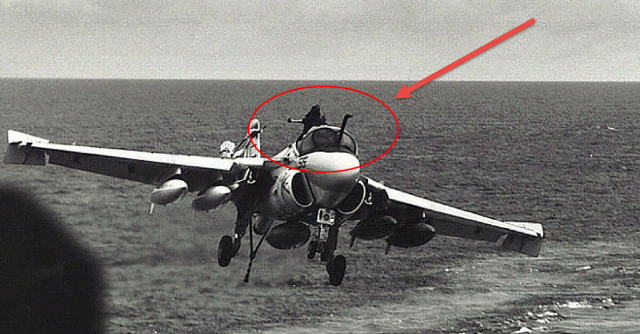
Being launched off the flight deck of an aircraft carrier is a normal routine, but adrenaline junkie pilots love the radical feel of about 4 G’s. On July 9, 1991, an A-6 Intruder modified to be a refueling aircraft was shot of the Abraham Lincoln in the Persian Gulf. Lieutenant Mark Baden was the pilot and had his friend and navigator (BN), Lieutenant Keith Gallagher beside him. It was Gallagher’s birthday, and he advised Baden when they returned it would be his 100th trap recovery on an aircraft carrier.
A midair collision had occurred a few days earlier, and Baden was slightly nervous. On top of all the other odd circumstances, he was actually assigned the plane with his name emblazoned on the side. (Unlike in the movies, the pilots don’t always fly the plane with their name.) He made all the normal checks and touched all the buttons and switches. Satisfied he was ready for anything, the aircraft was blasted off the end of the carrier to accomplish the mission: to refuel other aircraft in the sky.
The refueling version of the A-6 was a KA-6D and was modified by removing radar and bomb equipment to install an internal refueling gear. Some attack capability including a visual bombing ability was retained, but the overall design was to provide fuel in the air. This plane served the US Navy extensively from 1963 to 1997.

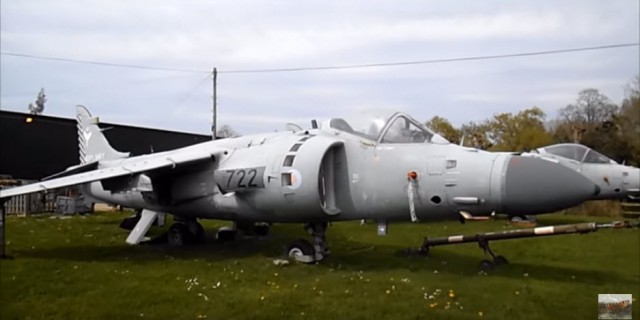
Sad! Harrier Jump Jet Graveyard


Harrier
Our chums from Abandoned UK visited this amazing Harrier Jump Jet graveyard located somewhere in the United Kingdom.
The Harrier, informally referred to as the Harrier Jump Jet, is a family of jet fighters capable of vertical/short takeoff and landing (V/STOL) operations. Originally developed by UK manufacturer Hawker Siddeley in the 1960s, the Harrier emerged as the only truly successful V/STOL design of the many attempted during that era, despite being a subsonic aircraft, unlike most of its competitors.
It was conceived to operate from improvised bases, such as car parks or forest clearings, without requiring large and vulnerable air bases. Later, the design was adapted for use from aircraft carriers.

ΟΙ ΑΓΝΩΣΤΕΣ ΗΡΩΙΔΕΣ ΠΟΥ ΘΥΣΙΑΣΤΗΚΑΝ ΓΙΑ ΤΗΝ ΕΛΕΥΘΕΡΙΑ


lela-karagianni
Η 60χρονη μάνα  Λουκία Τοπάλη και  η  38χρονη  κόρη  της Σοφία  Τοπάλη κρεμασμένες  στο  ίδιο  δέντρο. Η 40χρονη  Καλλιόπη  Μαράτου – Χρήστου από το  Αργοστόλι δολοφονημένη στο  3ο χιλιόμετρο του  δρόμου από  Θεσσαλονίκη προς  το Κιλκίς. Η δεκαεξάχρονη  Άννα Θωμάκου – Παυλάκου πυροβολήθηκε απ’ τους  Ναζί και  έπεσε  σε  πηγάδι για  να  σωθεί και  να  εκτελεστεί λίγους μήνες  αργότερα στο  Χαϊδάρι. Η Μαργαρίτα  Δημοπούλου και  η  22χρονη Καίτη  Βαϊδου εκτελέστηκαν επίσης  στο  Χαϊδάρι. Η 18χρονη Ήβη  Αθανασιάδου δολοφονήθηκε  την  ώρα που  έγραφε  συνθήματα στους  τοίχους. Η 25χρονη Αλίκη  Χεμίκογλου έπεσε  χτυπημένη από  τα μανιασμένα  φλογοβόλα  των Γερμανών.

Πέμπτη 10 Μαρτίου 2016

Drought sheds new light on the B-29 wreckage in Lake Mead

20150807180449
Lake Mead has been hitting records lows throughout the year, raising the specter of water cutbacks for Arizona and Nevada in the near future.The upshot for these scuba divers: the underwater wreckage is easier to explore, as Silverstein explained on the boat ride out. “On its crash, it sank in approximately 260 feet of water and that’s exceptionally deep for scuba diving,” Brown said.
 
Now it’s less than 130 feet down, meaning more light and divers need less training. Silverstein has gone wreck diving all over the world and said the B-29 stands out. For one, the cool freshwater has kept the plane in remarkably good condition. “That plane has never seen air since 1948. Everything in there, every control that’s inside it, is in its original position,” Silverstein said.

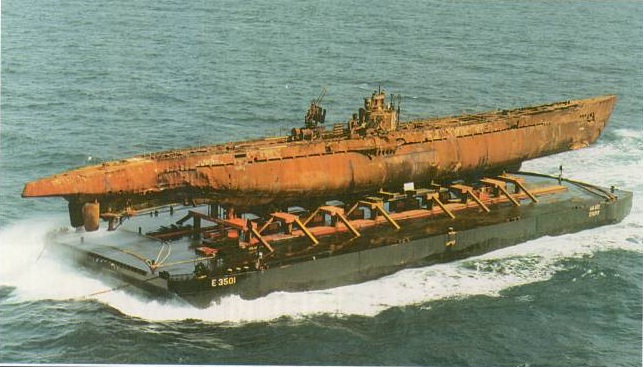
COME ON!! 39 images of recovered U-Boat U534


Untitled40

Some great images of U-534, the wreck and the artefacts which include an enigma machine via.
Commissioned in Hamburg in late 1942, the U 534 is a Type IX C 40 long-range ocean going submarine. She was mainly used as a weapons testing platform, and until the late summer of 1944 was also used as a weather ship in the North Atlantic. During the autumn of that year she left the massive U. boat pens at Bordeaux and sailed back to Germany where she was laid up in Kiel. So far nothing out of the ordinary, just another U. boat. But during May 1945 things changed.

ΤΟΥΡΚΙΑ: ΠΡΟΒΛΗΜΑΤΑ ΣΤΟ ΕΣΩΤΕΡΙΚΟ ΚΑΙ ΑΝΤΙΠΑΛΟΤΗΤΑ ΜΕ ΡΩΣΙΑ (Μικρή συλλογή άρθρων)

Α)Η διολίσθηση της Τουρκίας
 

07032016-1Η Άγκυρα πρέπει να μάθει από το παρελθόν της για να εξασφαλίσει το μέλλον της

Στον απόηχο της Αραβικής Άνοιξης το 2011, o Αχμέτ Νταβούτογλου, τότε υπουργός Εξωτερικών της Τουρκίας και τώρα πρωθυπουργός, δεσμεύθηκε ότι η Τουρκία θα είναι ο «ρυθμιστής του παιχνιδιού» της Μέσης Ανατολής. Σήμερα, τέτοιες έννοιες μεγαλείου φαίνονται εξωφρενικές. Μετά τον βομβαρδισμό μιας στρατιωτικής φάλαγγας στην Άγκυρα στις 17 Φεβρουαρίου [2], για τον οποίο η τουρκική κυβέρνηση κατηγόρησε τις Μονάδες Προστασίας του Κουρδικού Λαού, ο Νταβούτογλου δήλωσε ότι τα τελευταία κουρδικά εδαφικά κέρδη στην Συρία κατά Ισλαμιστών ανταρτών όπως το Μέτωπο al Nusra –αυτών που η Τουρκία αποκαλεί «μετριοπαθείς» εξεγερμένους- αντιπροσωπεύουν μια απειλή για την «επιβίωση του κράτους» της Τουρκίας. Η Άγκυρα προφανώς έχει αισθανθεί κατ’ αυτόν τον τρόπο για κάποιο καιρό. Από πέρυσι, ο τουρκικός στρατός έχει μετατρέψει τις κουρδικές πόλεις στα νοτιοανατολικά της Τουρκίας σε ζώνες πολέμου στην προσπάθειά του να εκδιώξει Κούρδους μαχητές [3] που οχυρώθηκαν σε αυτές τις περιοχές. Πιο πρόσφατα, η Τουρκία μεχρι που άρχισε να επιτίθεται σε κουρδικές δυνάμεις στο βόρειο τμήμα της Συρίας.

Η ΡΩΣΙΚΗ ΕΚΣΤΡΑΤΕΙΑ ΣΤΗΝ ΣΥΡΙΑ -60:ΠΡΟΒΛΗΜΑΤΑ ΤΩΝ ΗΠΑ ΚΑΙ ΣΧΕΣΕΙΣ ΜΕ ΡΩΣΙΑ Μικρή συλλογή άρθρων)

A)US-backed Syrian rebels suffer heavy losses

Lt. Gen. Raymond A. Thomas III testifies during an Armed Services Committee hearing on Capitol Hill, March 9, 2016.
WASHINGTON — The Pentagon report that it has likely killed the Islamic State’s top military commander near the front lines in Syria is evidence of the terrorist group’s dire position in the war, Lt. Gen. Tony Thomas, who is nominated to lead Special Operations Command, told the Senate on Wednesday.
But the strategic victory was built on “extraordinary” battlefield losses among allied Syrian rebels in northeastern Syria who are at the center of the U.S. military’s renewed effort to train-and-equip friendly forces against the militants, Thomas told the Senate Armed Services Committee. More than 70 Syrian rebels were killed during the past month, he said.

Eντολή της ΕΛ.ΑΣ για μονάδες πολιτικής άμυνας στην Κρήτη;

Αναστάτωση στους κατοίκους συγκεκριμένων χωριών Δήμων του Ηρακλείου – τουλάχιστον για αρχή – έχει προκαλέσει η έρευνα που γίνεται από τις Δημοτικές Αρχές στην προσπάθεια επικαιροποίησης καταλόγων, με τα στοιχεία τους για τη στελέχωση Μονάδων Πολιτικής Άμυνας.Μέχρι στιγμής δεν έχει ξεκαθαριστεί για ποιό λόγο δημιουργούνται οι μονάδες αυτές, αφήνοντας ερωτηματικά.
Συγκεκριμένα από την Αστυνομία αποστέλλονται σε Δήμους με την εντολή ΚΑΤΕΠΕΙΓΟΝ ΜΕ ΑΠΟΔΕΙΞΗ, υπηρεσιακά σημειώματα ζητώντας τους τα εν λόγω στοιχεία, με αποτέλεσμα εν μέσω οικονομικής και προσφυγικής κρίσης να προκαλείται ανησυχία για το σκοπό της δημιουργίας των παραπάνω μονάδων.

Ποσοστό 10-12% του ΑΕΠ ή 18-20 δις πληρώνουμε ετησίως στους δανειστές


Του Θεόδωρου Κατσανέβα

Το κολοσιαία ποσό των 18-20 δις ετησίως, δηλ. το 10-12% του ΑΕΠ καλείται να καταβάλλει η χώρα μας στους δανειστές-βασανιστές, ως αντίτιμο για την παραμονή μας στον «ευρωπαράδεισο». Αν θέλετε το ευρώ πάση θυσία, τότε πρέπει να δεχτείτε και τους κανόνες της ευρωζώνης που δεν επιδέχονται μονομερή ελάφρυνση του χρέους, μας λέει το Βερολίνο που κρατά την μπαγκέτα του αρχιμουσικού και εμείς χορεύουμε καρσιλαμά όπως θα έλεγε και ο Αλέξης. Συζητήσεις για ελάφρυνση του χρέους θα αρχίσουν μόνο αφού εκπληρωθούν όλες οι δέσμευσης της συμφωνίας του καλοκαιριού. Αυτό σημαίνει μαχαίρι στις συντάξεις, μισθούς,εισοδήματα, ανελέητη φορο-καταιγίδα, ατέλειωτα χαράτσια, εκποιήσεις δανείων μισοτιμής από τους Γύπες των αγορών που υφάρπαξαν τις ελληνικές τράπεζες έναντι πινακίου φακής κλπ.
Καμιά χώρα στον κόσμο, ακόμα και οι πιο εύπορες, δεν μπορεί να επιβιώσει με υποχρέωση καταβολής παρόμοιων τεράστιων ποσών σε τοκοχρεωλύσια ετησίως. Το σπιράλ της ύφεσης, της κατηφόρας στο οποίο έχουμε περιπέσει, είναι μη αναστρέψιμο και καμιά Στουρνάρια παραίσθηση πλαστής αισιοδοξίας δεν μπορεί να το ανατρέψει. Το χρέος αυτό δεν είναι βιώσιμο και αυτό το καταλαβαίνουν ακόμα και οι πρωτοετείς φοιτητές οικονομικών και όχι μόνο. Παρ’ όλα αυτά, συνεχίζεται το αλισβερίσι της κωμικοτραγικής διαπραγμάτευσης που τραβάει σε μάκρος. Και αυτό παρ’ όλο το οδυνηρό μάθημα που εισέπραξε η ΠΦΑ με τις μακρόσυρτες διαπραγματεύσεις του 2015 που επιβάρυναν τη χώρα με επιπλέον 80 δις χρέος και οδήγησαν, μεταξύ άλλων, στην αρπαγή των ελληνικών τραπεζών από τους γύπες των αγορών μισοτιμής, την έναρξη εκποίησης των ασημικών του δημοσίου και άλλα πολλά που εισπράττει με πολύ πόνο και απελπισία ο ελληνικός λαός.
Το τραγικό είναι ότι εκτός από την ΠΦΑ που εμμένει στις ευρωζωνικές εμμονές της υπακούοντας στη βούληση και τις εντολές της Ουάσιγκτον, υπάρχουν αρκετοί ανόητοι, ναι ανόητοι, που δεν ανοίγουν τα μάτια τους για να δουν την καταστροφή που βιώνει η χώρα όπως πορευόμαστε με τη σημερινή δηλητηριώδη ευρωσυνταγή. Και δεν αναφερόμαστε στους διατεταγμένους σε Γερμανοτσολιάδικη υπηρεσία σύγχρονους δωσίλογους των καναλιών, αλλά στους αφελείς φτωχοποιημένους πολίτες που καναπεδίζοντας ακούνε, εκστασιάζονται και τρομοκρατούνται από τους τον Μπάμπη, Ντερμπεντέρη και ΣΙΑ.

ΑΡΧΑΙΕΣ ΘΡΗΣΚΕΙΕΣ ΚΑΙ ΧΡΙΣΤΙΑΝΙΣΜΟΣ (ΑΠΑΝΤΗΣΗ ΣΤΟΝ ΓΙΑΝΝΗ ΚΟΡΔΑΤΟ) -ΣΑΒΒΑ ΚΑΝΤΑΡΤΖΗ

  30% έκπτωση


ΑΡΧΑΙΕΣ ΘΡΗΣΚΕΙΕΣ ΚΑΙ ΧΡΙΣΤΙΑΝΙΣΜΟΣ (ΑΠΑΝΤΗΣΗ ΣΤΟΝ ΓΙΑΝΝΗ ΚΟΡΔΑΤΟ) -ΣΑΒΒΑ ΚΑΝΤΑΡΤΖΗ (ΕΚΔΟΣΕΙΣ ΕΛΛΗΝΙΚΟΥ ΚΙΝΗΜΑΤΟΣ ΠΝΕΥΜΑΤΙΚΗΣ ΑΝΑΓΕΝΝΗΣΗΣ). Ανασκευή των απόψεων του μαρξιστή Κορδάτου από έναν πρώην μαρξιστή ο οποίος έγινε ακόλουθος του Χριστού και του Ευαγγελίου. Περιέχει: Η θρησκεία γενικά, Η κριτική της θρησκείας προ Χριστού, Η κριτική της θρησκείας μετά Χριστόν, Η κριτική του Μαρξισμού. Κανονικά εξαντλημένο. Διαθέσιμα 302 σελ. 20,00 /14,00 € (30%)

ΔΙΑΘΕΣΙΜΑ ΑΝΤΙΤΥΠΑ.

Τηλεφωνήστε στο 6977831531 ή στείλτε email: erevnitis@yahoo.com.

Δυνατότητα παραλαβής κατόπιν συνεννόησης από γραφεία περιοδικού Ο ΕΡΕΥΝΗΤΗΣ ΤΗΣ ΑΛΗΘΕΙΑΣ, Κατακουζηνού 10, 2ος όροφος, Αθήνα.

Η ΡΩΣΙΚΗ ΕΚΣΤΡΑΤΕΙΑ ΣΤΗΝ ΣΥΡΙΑ -59:ΠΡΟΒΛΗΜΑΤΑ ΤΟΥ ΙΚ -2 (Μικρή συλλογή άρθρων)

Α)Pentagon official: ISIS secretary of defense likely killed in airstrike

This undated image posted on a militant social media account, which has been verified and is consistent with other AP reporting, shows Omar al-Shishani climbing out of a Humvee. (AP Photo via militant social media account)
Abu Omar al-Shishani, a top Islamic State leader, was likely killed in a series of coalition airstrikes near a strategic town in Syria last week, according to Pentagon officials.
Pentagon spokesman Peter Cook said in a statement that the U.S. military was still “assessing the results” of the operation. The strikes were conducted by both manned and unmanned aircraft, said one official, speaking on condition of anonymity to discuss operational details.
The official said 12 other Islamic State fighters were also killed in the strike, which hit near the town of Shadadi. No civilians were killed, the official added.
Shishani’s death, if confirmed, would represent a strike at the organization’s group of operational leaders. Shishani was a skilled tactician who helped Syrian rebels to victory in a number of key battles earlier in the war. He was also likely a key decision-maker for Islamic State combat operations in the region. By contrast, the 2015 attack on Mohammed Emwazi, the ISIS executioner known by many as “Jihadi John,” eliminated a more symbolic member of the terrorist group.
Shadadi has been the site of heavy fighting in recent weeks as the Syrian Democratic Forces and Kurdish YPG fighters have fought to retake the town from Islamic State forces. Backed by U.S. airstrikes and advisers, the two groups managed to take the town — a key intersection for Islamic State forces moving into Iraq — relatively quickly.
“It is unusual and noteworthy that [Shishani] — who was the ISIL equivalent of the secretary of defense — had traveled to the al-Shadadi area from Raqqa,” the official said.
Shishani’s presence near Shadadi “was likely to bolster the sagging morale of ISIL fighters there,” the official said, using an acronym for the Islamic State.
A Georgian by birth known also as “Omar the Chechen” and by his birth name of Tarkhan Tayumurazovich Batirashvili, Shishani fought in the Georgian armed forces during the country’s short war in 2008 against the Russians. After serving out his time in his home country’s military, Shishani joined a number of rebel brigades fighting in Syria following the start of the country’s civil war in 2011. Sometime in 2013, Shishani joined the Islamic State. In September 2014, Shishani was added to the U.S. Treasury Department’s list of specially designated global terrorists.
“Batirashvili is a battle-tested leader with experience who had led ISIL fighters in numerous engagements in Iraq and Syria,” Cook said in an emailed statement. “His potential removal from the battlefield would negatively impact ISIL’s ability to recruit foreign fighters — especially those from Chechnya and the [Caucasus] regions — and degrade ISIL’s ability to coordinate attacks and defense of its strongholds like Raqqah, Syria, and Mosul, Iraq.”
www.washingtonpost.com
=======================================
B)Islamic State is no longer so formidable on the battlefield

Iraq’s elite counterterrorism service
Iraq’s elite counterterrorism service forces move toward an area east of Ramadi, the capital of Anbar province, on Wednesday. (Ahmad Al-Rubaye/AFP/Getty Images)
By Hugh Naylor
BEIRUT — The Islamic State’s recent defeats on the battlefield signal that its once-vaunted militia army has been hobbled by worsening money problems, desertions and a dwindling pool of fighters, analysts and monitoring groups say.
U.S.-backed Kurdish and Arab forces have seized significant amounts of territory from the extremist group in the parts of Iraq and Syria where it declared a caliphate in 2014. Those losses are linked to the group’s struggles to pay fighters and recruit new ones to replace those who have deserted, defected to other militant groups or died on the battlefield, the analysts say.
“These issues suggest that as an entity that is determined to hold onto territory, the Islamic State is not sustainable,” said Jacob Shapiro, an expert on the Islamic State who teaches politics at Princeton University.
[Islamic State strikes back in Syria after losing ground]
Only a year ago, the Islamic State was seen as a juggernaut — rich, organized and fielding thousands of motivated fighters — that overran rival forces in Iraq and Syria with astonishing speed and brutality.
But in recent months, its momentum has been reversed.
U.S. military officials estimate that the group has lost as much as 40 percent of the territory it held in Iraq and as much as 20 percent in Syria. Kurdish and Arab forces, including Iraq’s increasingly competent military, have advanced against the group with the help of airstrikes from a U.S.-led coalition.
The air raids have damaged the Islamic State’s oil infrastructure, a key revenue source, and the territorial setbacks have stripped the group of populations to tax and assets to seize, analysts say. All of this, they say, appears to have forced the group to reduce salaries and benefits for fighters.
Few expect a sudden defeat of the conservative Sunni group, known for its resilience and ability to surprise its opponents. It also will probably continue exploiting sectarian grievances that have helped it gain loyalty, albeit sometimes tenuous, from the largely Sunni populations under its control, an issue that has made it difficult to defeat the group.
Moreover, the suspension on Wednesday of U.N.-backed peace talks in Geneva to end the Syrian war may complicate international efforts to fight the Islamic State, also known as ISIS and ISIL. The United States and Russia back opposing sides in the conflict but have nevertheless supported the talks because of concern that the fighting, which has killed more than 250,000 people and displaced millions, is empowering the Islamic State.
Yet there appears to be a rise in the number of Islamic State fighters who have deserted or, in the case of the Syrian conflict, defected to other militant groups, said Vera Mironova, an expert on armed groups in Syria and Iraq at Harvard University’s Belfer Center. The salary and benefit cuts have caused “for-profit militants” in Syria to increasingly “look for better deals” with other armed factions, she said.
The group, she added, also is struggling to replenish ranks of its foreign fighters, who tend to be more ideologically driven but also die in relatively large numbers on the battlefield. Tighter border restrictions imposed by Turkey have slowed the flow of fighters into neighboring Syria, said Mironova, whose research has involved hundreds of interviews with militants who are fighting in Syria and Iraq.
“They’re in big trouble,” Mironova said, referring to the Islamic State’s ability to fight.
[Iraqis think the U.S. is in cahoots with the Islamic State]
Members of the Raqqa is Being Slaughtered Silently group, which monitors the Islamic State, say a rising number of foreign members of the militant group have requested help to flee Syria. The requests have been made secretly because the Islamic State regularly executes foreigners who attempt to escape, said a co-founder of the Syrian monitoring group, Mohammed Saleh, who like other members uses a nom de guerre because of threats from the militants.
“There are lots of these people who are desperately trying to flee, and not just from Raqqa,” he said, referring to the city in eastern Syria that is the Islamic State’s self-declared capital.
“Part of this is that these people are moving from vibrant cities like London or Paris. After a year of living in a place like Raqqa, they get tired of living without electricity and getting bombed all the time. They get bored, or they realize that the so-called caliphate is not what they were told it was.”
Analysts speculate that the problems have compelled the group to adopt new tactics, such as carrying out attacks abroad. That includes the Paris assaults in November that killed 130 people.
Attacks abroad may be an attempt to sustain the group’s narrative as always on the offense — which has been key for attracting potential militants. Even so, the Islamic State’s media narrative has shifted from a triumphant one to having to explain why it is losing so much, said Nelly Lahoud, an expert on political Islam at the International Institute for Strategic Studies who studies the group’s media.
“They overplayed their card at the beginning by describing their victories as a sign from God, a reward for their faith,” she said.
In October, the Islamic State announced a month-long amnesty for deserters, according to documents obtained and translated by Aymenn al-Tamimi, an expert on the Islamic State. He called the amnesty the “clearest sign” of the Islamic State’s troubles waging war.
According to activists with Raqqa is Being Slaughtered Silently, the Islamic State is also forcibly recruiting more teenage boys in Syria to fight for the group.
Analysts and monitoring groups say they have observed more reports of the Islamic State executing fighters who deserted during recent battles against Kurdish peshmerga fighters in Iraq’s north and Iraqi forces in the city of Ramadi.
Reliance on such extreme measures “is a sure sign of low cohesion and a burned-out military force,” said Shapiro of Princeton.
www.washingtonpost.com

U.S. military spending millions to make cyborgs a reality


The Army's real life 'Iron Man' suits

The Army's real life 'Iron Man' suits 01:10

Story highlights

  • The goal of the proposed implant is to "open the channel between the human brain and modern electronics"
  • Some experts see such an implant as having the potential for military applications

Today in Military History: March 6, 1940:"White Death" Finnish Sniper Simo Häyhä Taken Down by Russian Marksman

 by Siggurdsson


"White Death" Finnish Sniper Simo Häyhä Taken Down by Russian Marksman
Simo Häyhä, (1905-2002), dubbed the "White Death" by Russians
Finnish super-sniper during Russo-Finnish War (1939-1940)
(Unless otherwise indicated, all illustrations are courtesy of Wikipedia)

The military history of the human race comprises not only stories of large groups of men and machines clashing, but also the small histories of individual men fighting an enemy. Today's posting is one of those small stories.

Today in Military History – March 1, 1896:Battle of Adowa: Ethiopians Defeat Italian Invasion


Battle of Adowa: Ethiopians Defeat Italian Invasion
Ethiopian painting depicting battle of Adowa (Adwa)
[Note Saint George in upper center aiding the Ethiopians]
Artist and date unknown, in the collection of the British Museum, London, UK
(Unless otherwise indicated, all illustrations are courtesy of Wikipedia)


Today the spotlight falls on one of the few battles of the Colonial Era (19th century) when a more numerous native army confronted a modern European army…and the Europeans came out second-best. It happened in what is today Ethiopia.

Atlas: Το ανθρωποειδές ρομπότ της Google πιο ανθρώπινο από ποτέ [Video]


590_5628cd26b6dbbdb0d2fb5ef49f9c497a

Το “φιλαράκι” μας ο Atlas, το ανθρωποειδές ρομπότ της Boston Dynamics (ανήκει στην Alphabet –Google), πραγματοποιεί απίστευτα βήματα προόδου και αποδεικνύει ότι πολλά από αυτά που βλέπαμε σε ταινίες επιστημονικής φαντασίας θα γίνουν πολύ σύντομα πραγματικότητα.
Στο τελευταίο video βλέπουμε ένα νέο μοντέλο λίγο κοντύτερο (1.75m αντί 1.80m) και αρκετά ελαφρύτερο (80kg αντί 150kg) από το πρωτότυπο, το οποίο περπατά άνετα στο χιόνι, μπορεί να σηκώνει κουτιά και να τα τοποθετεί σε ράφια, ενώ το πιο εντυπωσιακό είναι ότι σηκώνεται μόνο του όταν το σπρώχνει ο ερευνητής.


Πηγή:Techgear

Χορωδία «Κόκκινου Στρατού»: Ο «Ιερός Πόλεμος» τρομάζει ακόμα…


Μια μικρή αναφορά σε έναν μεγάλο καλλιτεχνικό θρύλο, με αφορμή την απαγόρευση συναυλιών του στην Εσθονία… των «ελευθερωτών» ναζί.

παβλιτσενκο
Γρηγόρης Τραγγανίδας
Σε μια ακόμη χαρακτηριστική τακτική κατασκευής «εξωτερικού εχθρού» για να «κουκουλωθούν» τα εσωτερικά προβλήματα και να αποπροσανατολιστεί η λανθάνουσα κοινωνική αγανάκτηση προχώρησε το καθεστώς της Εσθονίας, κράτους – μέλους τηςΕυρωπαϊκής Ενωσης, γνωστού για την νομιμοποίηση του ναζισμού και την διαστρέβλωση της ιστορίας του Β” Παγκοσμίου Πολέμου.
Το εσθονικό υπουργείο Αμυνας απαγόρευσε στην παγκοσμίως γνωστή, ρωσική χορωδία του «Κόκκινου Στρατού», να πραγματοποιήσει περιοδεία στην χώρα, επικαλούμενο την διακοπή των διμερών αμυντικών σχέσεων με την Ρωσία, δεδομένου ότι η χορωδία ανήκει στο ρωσικό υπουργείο Αμυνας.

The never-ending Greek disaster


ΛαπαβίτσαςΚώστας Λαπαβίτσας


σημ.Αμετανόητου: ευελπιστώ ότι οι περισσότεροι φίλοι και φίλες γνωρίζουν αγγλικά και μπορούν (ακόμα και αν δεν καταλαβαίνουν κάποιες λέξεις…γκουγκλομετάφραση…) να καταλάβουν το νόημα του εξαιρετικού άρθρου του Κώστα Λαπαβίτσα.


Το άρθρο του Κώστα Λαπαβίτσα δημοσιεύτηκε στην ιστοσελίδα του Heiner Flassbeck flassbeck-economics.com στις 7 Μαρτίου και στην αγγλική και στη γερμανική γλώσσα.
It is now eight years since Greece went into recession and six since it adopted a bailout strategy engineered by the IMF, the EU and the ECB. The SYRIZA government, elected in January 2015 with great hopes of rejecting austerity, has capitulated and is now applying the bailout policies. The economy is showing no signs of sustained recovery and has indeed returned to recession in 2015.

Τετάρτη 9 Μαρτίου 2016

‘Oλα ήταν ένα τραγικό λάθος!


Του Δημήτρη Κωνσταντακόπουλου
Η χώρα έχει εμπλακεί στη δίνη πολύ σοβαρών διεθνών προβλημάτων με παγκόσμια σημασία. Θέλουν να την κάνουν νέο ιστορικό “παράδειγμα” για την εποχή του ανερχόμενου χρηματοπιστωτικού ολοκληρωτισμού που ανατέλλει. Απειλείται με καταστροφή ως χώρα πια. Όπως πάμε, οι ‘Ελληνες θα έχουν τη μοίρα των Εβραίων επί του αυτοκράτορα Τίτου, να διασκορπισθούν δηλαδή στα πέρατα της Γης, χωρίς συνείδηση καν τι τους συνέβη.
Η πάσης φύσεως ηγεσία όμως της χώρας δεν αντιλαμβάνεται καν το διεθνές περιβάλλον. Δεν το ξέρει καθόλου, δεν έχει δουλέψει, όπως δεν δούλεψε και για τίποτα και ποτέ στη ζωή της, και το διαβάζει συστηματικά λάθος. ‘Ολες οι στρατηγικές της παραδοχές είναι εσφαλμένες και συχνά υποβολιμιαίες. Εκλαμβάνει τις επιθυμίες της για πραγματικότητες, φτιάχνοντας σχήματα όχι γιατί στέκονται κάπου, αλλά γιατί νομίζει ότι την εξυπηρετούν. Εκμεταλλευόμενοι ένα περιβάλλον απίστευτης διανοητικής και ηθικής παρακμής, οι “πράκτορες επιρροής” των ξένων δυνάμεων μπορούν πολύ εύκολα να χειραγωγήσουν και τους ‘Ελληνες πολιτικούς και τις κρατικές υπηρεσίες και τους υπόλοιπους θεσμούς της χώρας.

ΠΛΥΣΗ ΕΓΚΕΦΑΛΟΥ ΜΕ ΤΗΝ «ΕΞΟΔΟ ΤΗΣ ΚΥΠΡΟΥ»


ΓΕΡΑΣΙΜΟΣ ΛΙΒΙΤΣΑΝΟΣ
Αποδεχθείτε μειώσεις συντάξεων, φόρους, απολύσεις και κάθε είδους μέτρο για να τελειώνετε όσο το δυνατόν γρηγορότερα με την επιτήρηση, το μήνυμα των «θεσμών». Ελλάδα, η μόνη χώρα εντός μνημονίου. Είναι όμως έτσι τα πράγματα;
Τα συγχαρητήρια για την Κύπρο έδωσαν και πήραν στην συνέντευξη τύπου που ευγενώς παραχώρησαν μετά την λήξη των εργασιών του Eurogroup οι Γέρουν Ντάισελμπλουμ, Πιέρ Μοσκοβισί και Κλάους Ρέκλινγκ.

Ο εμετός της εβδομάδας..


Η φωτογραφία αυτή αποτυπώνει με ακρίβεια την απόλυτη χυδαιότητα που διέπει τα »ιθύνοντα» κλιμάκια της ελληνικής κοινωνίας.
Πρόκειται για »φιλάνθρωπους» οι οποίοι θέλησαν να κάνουν την καθημερινή τους αγαθοεργία επισκεπτόμενοι για διανομή τροφίμων τους πρόσφυγες στο στρατόπεδο συγκέντρωσης του Πειραιά,
     ..και είπαν να
απαθανατίσουν την μεγάλη στιγμή.

Η ανακατάληψη της Κρήτης από το Νικηφόρο Φωκά - 961 μ.Χ.-


του Θάνου Δασκαλοθανάση


              Η απώλεια της Κρήτης αλλά και της Σικελίας ήταν οδυνηρή για το Βυζάντιο. Η Μεσόγειος είχε πάψει να θεωρείται βυζαντινή λίμνη, η κυριαρχία στη θάλασσα ήταν δείγμα ισχύος κι αυτή η διασάλευση της θαλασσοκρατίας απειλούσε τη παγκοσμιότητα της αυτοκρατορίας.
           Οι Άραβες εδραίωσαν τη παρουσία τους στο νησί και με τον εποικισμό και με την οργάνωση του νέου εμιράτου. Οχύρωσαν και επέκτειναν την περιοχή κοντά στη αρχαία Κνωσό, τον ονομαζόμενο Χάνδακα, που είχε σπουδαία γεωγραφική θέση προσφέροντας διέξοδο προς το Αιγαίο πέλαγος και τις υπόλοιπες περιοχές που αποτελούσαν στόχο των Αράβων. Μαζί με τις πειρατικές τους επιδρομές που τους απέφεραν πολλά πλούτη, αναπτύχτηκαν οικονομικά, εμπορικά αλλά αποτέλεσαν και ένα σημαντικό πολιτικό και πολιτιστικό κέντρο του ευρύτερου αραβικού κόσμου.

Τομπρούκ

Τομπρούκ


Τομπρούκ
ΣΤΑΘΗΣ
Οι αποικιοκράτες επιστρέφουν στη Λιβύη. Γερμανοί αξιωματικοί θα αναλάβουν την εκπαίδευση του στρατού της μίας από τις δύο κυβερνήσεις (φυλάρχων) που λυμαίνονται τη χώρα. Μετά το 1943 και την αναχώρηση του Ρόμελ, το Αφρικακόρπς ξανάρχεται. Μαζί του και οι Βρετανοί (στρατιωτικοί) σε αγαστή συνεργασία με την άλλη κυβέρνηση φυλάρχων καθώς και με την ιταλική κυβέρνηση, η οποία ετοιμάζεται και αυτή να περάσει (και στρατιωτικώς) απέναντι.
Το Ισλαμικό Χαλιφάτο είναι ένας χρήσιμος εχθρός. Από στρατιωτική άποψη, η Δύση θα μπορούσε να διαλύσει (στο έδαφος) τις συμμορίες του ISIS στη Λιβύη σε τρεις ημέρες και στη Συρία σε δέκα. Το ISIS όμως προσφέρει ανεκτίμητες υπηρεσίες. Στον μεν μουσουλμανικό κόσμο παραμυθιάζει τις μάζες με την προοπτική της ανασύστασης του κραταιού χαλιφάτου από την Καζαμπλάνκα ως το Σεράγεβο, στη δε Δύση δίνει το πρόσχημα των κινήσεών της σε αυτήν τη σκακιέρα, πρόσχημα που της έδιναν άλλωστε και όλες οι προηγούμενες μαριονέτες της, από τους Αδελφούς Μουσουλμάνους ως τους Ταλιμπάν και την Αλ Κάιντα.

Η ΡΩΣΙΚΗ ΕΚΣΤΡΑΤΕΙΑ ΣΤΗΝ ΣΥΡΙΑ -58:ΠΡΟΒΛΗΜΑΤΑ ΤΟΥ ΙΚ ΚΑΙ ΤΟΥΡΚΙΚΗ ΒΑΡΒΑΡΟΤΗΤΑ Μικρή συλλογή άρθρων)

Α)Χάνει το ISISτην πρωτεύουσά του;

Φήμες για εξέγερση των κατοίκων της Ράκα ενάντια στο Ισλαμικό Κράτος

Ταραχές ξέσπασαν την Κυριακή στη ντε φάκτο πρωτεύουσα της οργάνωσης Ισλαμικό Κράτος, πόλη Ράκα στη Συρία, μεταξύ των κατοίκων και των τζιχαντιστών.

Δευτέρα 7 Μαρτίου 2016

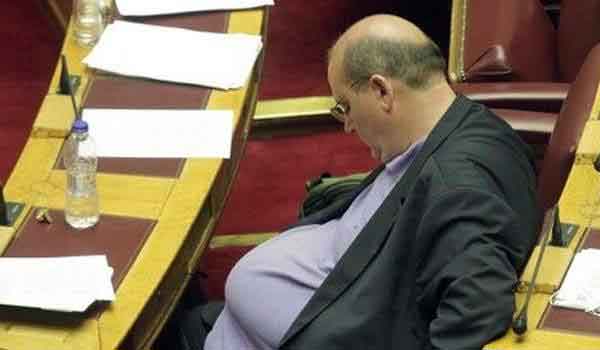
Βιογραφικό Υπουργού Παιδείας Νίκου Φίλη: Κάτοχος απολυτηρίου Λυκείου

Βιογραφικό Υπουργού Παιδείας Νίκου Φίλη: Κάτοχος απολυτηρίου Λυκείου

Filis

Διαβάζω:

Βιογραφικό Μητροπολίτη Μεσογαίας Νικολάου:

Σπούδασε Φυσική στο Πανεπιστήμιο Θεσσαλονίκης,
Αστροφυσική στὸ Harvard (Master of Arts) και
Μηχανολογία στο Τεχνολογικό Ινστιτούτο της Μασσαχουσέττης (ΜΙΤ).

Είναι οι Δημοκρατίες Αναγκαία Ειρηνόφιλες; …


Κείμενο: Παναγιώτης Κονδύλης*
Δυτικοί πολιτικοί (π.χ. η M. Thatcher και ο B. Clinton) διαδήλωσαν συχνά στα τελευταία χρόνια την πεποίθηση τους ότι οι δημοκρατίες δεν διεξάγουν πόλεμο η μια εναντίον της άλλης. Κατά βάση επανέλαβαν απλώς τον παλαιό κοινό τόπο του φιλελευθερισμού ότι το εμπόριο θα διαδεχθεί τον πόλεμο κι ότι αφού οι δημοκρατίες δίνουν το απόλυτο προβάδισμα στην ευημερία του λαού κι επομένως στην οικονομία, είναι από τη φύση τους ειρηνικές· αν γίνονται ακόμα πόλεμοι, αυτοί θα έπρεπε να αποδοθούν στην επίδραση αντιφιλελεύθερων ή προφιλελεύθερων δυνάμεων ή αταβισμών. Οι φιλόσοφοι, οι οποίοι συχνά νομίζουν ότι μεταρσιώνουν τις κοινοτοπίες όταν τις εμφανίζουν ως κλασσικές ρήσεις, έσπευσαν κι αυτοί να παραθέσουν τον Kant. Ο Kant επαίνεσε βέβαια, το ίδιο, όπως και πολλοί άλλοι πρωτύτερα, την ευεργετική επιρροή του «εμπορικού πνεύματος», όμως πουθενά δεν έγραφε ότι οι δημοκρατίες δεν διεξάγουν πολέμους εν γένει ή μεταξύ τους. Απλώς πιθανολόγησε ότι σε σύγκριση με την ευκολία, με την οποία κήρυσσαν οι τοτινοί μονάρχες τους πολέμούς τους, οι δημοκρατίες «θα το σκεφθούν πολύ ν’ αρχίσουν τέτοια άσχημα παιγνίδια». Και τούτο πάλι θα το κάμουν μονάχα αν οι δημοκρατίες είναι «ευσύντακτες πολιτείες», αν δηλαδή σέβονται τον χωρισμό των εξουσιών· ως γνωστόν, στην ορολογία του Καντ ο όρος «δημοκρατία» σημαίνει καθ’ αυτόν πολεμοχαρή οχλοκρατία και «δεσποτεία», όπως κατά τη γνώμη του αποδεικνύουν τα παραδείγματα της αρχαιότητας.