Politicians should stop referring to the President of the United States as "the Commander-in-Chief," as he is often referred to. Most recently, Hillary Clinton, whom I admire, said the following about Republican senators who wrote an open letter to Iran:
"Either these senators were trying to be helpful to the Iranians or harmful to the Commander-in-Chief in the midst of high-stakes international diplomacy."
But the president is not the Commander-in-Chief for purposes of diplomatic negotiations. This characterization mistakenly implies that President Obama — or any president — is
ourCommander, and that his decisions should receive special deference. This is a misreading of our constitution, which creates a presidency that is subject to the checks and balances of co-equal branches of the government. The president is
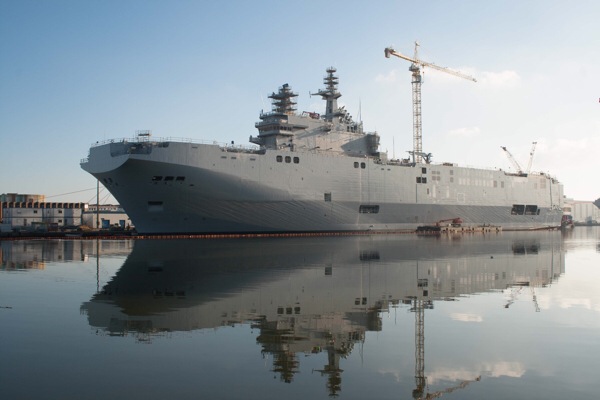
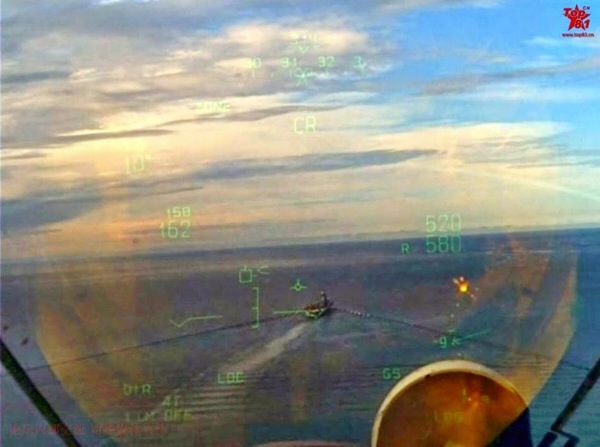
only the commander in chief of "the Army and Navy of the United States, and of the militia of the several states, when called into the actual service of the United States." This provision was intended to assure civilian control over the military and to serve as a check on military power.
The only people he is empowered to command are soldiers, sailors and members of the militia — not ordinary citizens.

Image source: DVIDSHUB
|
This important limitation on the president's power is highly relevant to the current debate about Congress having the authority to check the president's decision to make the deal that is currently being negotiated with Iran. The Constitution is clear about this. The President is not the Commander-in-Chief of our nation's foreign policy. When he is involved in "high-stakes international diplomacy," his involvement is not as Commander-in-Chief of our armed forces, but rather as negotiator-in-chief, whose negotiations are subject to the checks and balances of the other branches.