Napoleon
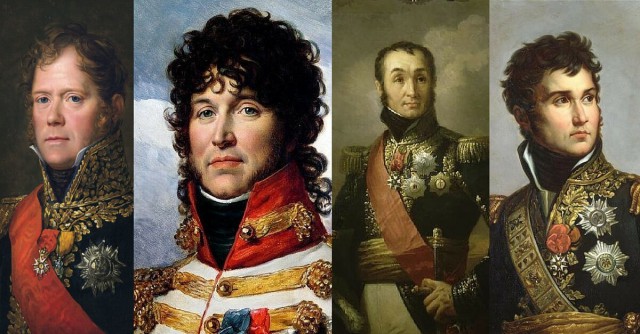
Bonaparte was no ordinary Joe. His family were minor nobles from
Corsica, and he was always destined to a more privileged life than 99%
of Frenchmen. His rise from such “humble” beginnings to become France’s
leading general was only extraordinary by the standards of an age in
which social status played a bigger part than ability in shaping
military careers.
His
rise to the position of Emperor was extraordinary by the standards of
any age. But he did not rise alone. His career was supported by the
Marshals, France’s leading generals. Many of the men who held these
positions under Napoleon were far more humble than the Emperor himself.
18 Ιανουάριος 2016, ΤΗΣ ΦΑΝΟΥΛΑΣ ΑΡΓΥΡΟΥ
Η αλήθεια για τις αγωγές Κυπρίων προσφύγων στα βρετανικά δικαστήρια
Η Τουρκία σκόπιμα άφησε να γίνει η διαρροή, δημοσιοποιώντας ό,τι εκείνη ήθελε
Ο Βρετανός ΥΠΕΞ, Φ. Χάμοντ, με τον Τούρκο ομόλογό του, Μ. Τσαβούσογλου.
Στις 8 Ιανουαρίου 2016 το τουρκικό Υπ. Εξωτερικών, επιχειρώντας να
προκαταλάβει την απόφαση του Δικαστηρίου στη Βρετανία, το οποίο ακόμα
δεν έχει λάβει τελική απόφαση, βγήκε να γνωστοποιήσει (πρώτο δημοσίευμα
στην τουρκική εφημερίδα «Χουριέτ») ό,τι αυτή ήθελε. ΄Ισως για να δημιουργήσει σύγχυση μεταξύ των Ελληνοκυπρίων.
Αυτό το έκανε η Τουρκία, προφανώς έχοντας υπόψη και την επίσκεψη του
Βρετανού Υπ. Εξωτερικών στη χώρα, που πραγματοποιήθηκε λίγες μέρες
αργότερα, ούτως ώστε να δοθεί η εντύπωση διπλωματικού επεισοδίου και να
δικαιολογηθεί το αδικαιολόγητο, δηλαδή μια παρέμβαση του Φόρεϊν Όφις στη
Δικαιοσύνη. Όπως έγινε με τις δηλώσεις, σε κοινή δημοσιογραφική
διάσκεψη στις 15 Ιανουαρίου 2016, μεταξύ του Τούρκου Υπ. Εξωτερικών κ.
Μ. Τσαβούσογλου και του Βρετανού Υπ. Εξωτερικών και Κοινοπολιτείας Φίλιπ
Χάμοντ στην Τουρκία.
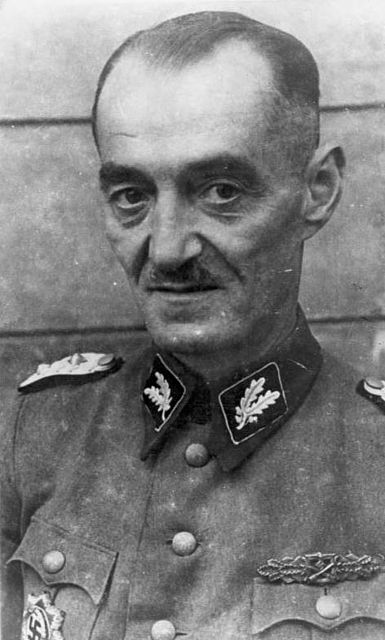
Dr.
Oskar Paul Dirlewanger (26 September 1895 – 7 June 1945 (certificate of
death), a German military officer, was the founder and commander of the
infamous Nazi SS penal unit “Dirlewanger” during World War II.
Dirlewanger’s name is closely linked to some of the worst crimes of the
war. He also fought in World War I as well as in the post-World War I
conflicts, and in the Spanish Civil War. He died after World War II
while in Allied custody, apparently beaten to death by his guards.
He
is invariably described as an extremely cruel character by historians
and researchers, including as “a psychopathic killer and child molester”
by Steven Zaloga, as “violently sadistic” by Richard Rhodes, as “an
expert in extermination and a devotee of sadism and necrophilia” by J.
Bowyer Bell, and as “a sadist and necrophiliac” by Bryan Mark Rigg.
World War II historian Chris Bishop called him the “most evil man in the
SS.” According to Timothy Snyder, “in all the theaters of the Second
World War, few could compete in cruelty with Oskar Dirlewanger.
Oskar
Dirlewanger was born in 1895 in Würzburg. He enlisted in the Imperial
German Army in 1913 and served as a machine gunner in the 123rd
Grenadier Regiment on the Western Front of World War I, where he took
part in the German invasion of Belgium and later fought in France. He
won the Iron Cross 2nd Class and 1st Class medals, having been wounded
six times, and finished the war with the rank of Lieutenant in charge of
the machine gun company of the Infantry Regiment 121 on the Eastern
Front in southern Russia and Romania. At the ceasing of hostilities the
German units in Dirlewanger’s area were ordered to be interned in
Romania, but Dirlewanger disobeyed orders and led 600 men from his and
other units back to Germany.
According
to his German biographer Knut Stang, the war was the main factor that
determined Dirlewanger’s later life and his “terror warfare” methods, as
“his amoral personality, with his alcoholism and his sadistic sexual
orientation, was additionally shattered by the front experiences of the
First World War and its frenzied violence and barbarism.” Interwar period
After the end of World War I, Dirlewanger, described in a police report
as “a mentally unstable, violent fanatic and alcoholic, who had the
habit of erupting into violence under the influence of drugs,” joined
different Freikorps right-wing paramilitary militias and fought against
German communists in Ruhr and Saxony, and against Polish nationalists in
Upper Silesia.
Today
soccer is unequivocally the most popular sport in a world with
countless different sports vying for fans. In the ancient world there
were not many options for sports outside of the wildly exciting chariot
races, especially after Gladiatorial games were outlawed, so almost any
sports fan was simply a fan of chariot racing.
Chariot
racing had passionate and rowdy fans, and Constantinople was both the
Capital of the Byzantine Empire and the capital of Chariot racing,
having a Hippodrome (stadium) that could easily seat 80,000 spectators
and had a private box from which the Emperor would often watch.
Chariot
racing featured teams of four-horse chariots that raced around a simple
oval track with long straightaways. Pileups were common and part of the
thrill, as was cheering for your favorite team. Four teams initially
were prevalent in races, but by this period only two teams known as the
blues and the greens were popular, Justinian and his wife Theodora were
noted blues fans.
Perhaps
there is a point in a soldier’s life, where he is so certain that he
might die that he would rather dictate the terms of such death on high
moral and gallant grounds than have it occur in a manner that betrays
his fellow brothers in arms. This is the familiar story of those in
World War 2, where storming the beaches of Normandy or Iwo Jima on the
first wave surely had to produce such thoughts.
Yet,
for a few men there would come a time where such a decision would be
theirs and theirs alone with survival on one hand and certain death on
the other. This is the story of non-Jewish Master Sergeant Roddie
Edmonds who with a Nazi gun to his head refused to give up Jewish POWs
and instead declared with gun to head, “We are all Jews here.”
The Constant Revelation of History
Countless
stories crucial to completing a fascinating historical war record are
lost to time and the death of those who could give first-hand accounts.
Fortunately for the world, there were still multiple men who could
testify to this account and with such a high degree of certainty that
the State of Israel would recognize Master Sergeant Roddie Edmonds’
sacrifice.
By
1945, the treatment of the Jewish people by the Nazi state was becoming
more and more clear. Atrocities the world knew of and those we did not
were being revealed with each square mile of Europe retaken.
American
soldiers had long been told of the German treatment of Jews and were
told if captured to destroy dog tags or identification that would mark
them as such. For Russians on the Eastern front, if they were captured
and identified as Jewish they were often if not always sent to
extermination camps.
However, that practice had made its way to
the Western front as well although these POWs were often sent to slave
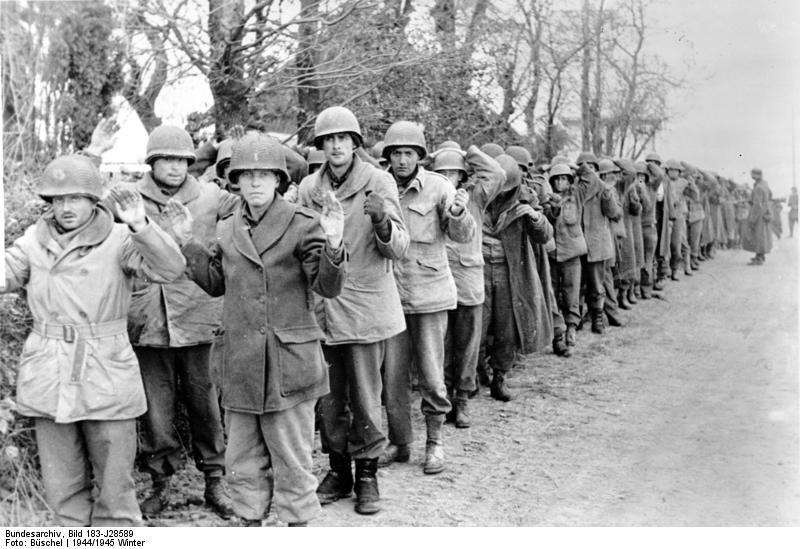
labor camps where the odds of survival were very low. American POWs from the Battle of the BulgeThis
was an unfortunate fate that would meet many who fought the Germans in
the last year of the war. But for a group of prisoners of war detained
at Stalag IXA, a different fate would await them. For there was a
senior NCO in charge who rallied the men of that camp to invite certain
death upon themselves in order to protect the few who would be destined
for an unspeakable fate at the hands of Nazi Germany.
Life as a German POW
For
Master Sergeant Roddie Edmonds, the Reich’s last ditch offensive at the
Battle of the Bulge would unfortunately end his war by putting him in
the hands of the enemy. Edmonds served with the 422nd Infantry Regiment in Europe and when captured, found himself as the senior NCO among the Prisoners of War.
For
all the chaos that was World War 2, there was a pretty regular attempt
to maintain military discipline within prison camps and that would often
put senior leaders in charge and responsible for representing the men
to their captors.
In January of 1945, an order came out for the
Jewish POWs of Stalag IXA in Germany to fall out in the morning for an
undeclared fate. For Edmonds this put him in an awkward position as to
whether to ensure the order was followed as directed and risk a few men,
or defy the Nazi proclamation and risk them all.
And while
history won’t record how Edmonds came to such a decision, it would
vindicate him as a hero of World War 2 and in keeping with the best
traditions and spirit of the United States Military.
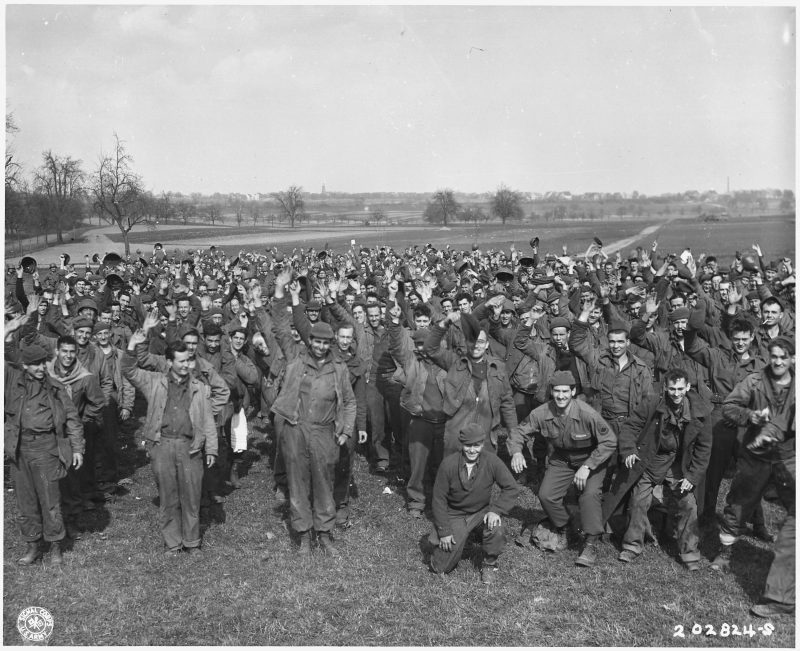
US Soldiers outside a German POW CampIn
the morning when the German officer in charge came to collect the
Jewish POWs, he was shocked to see that all 1,000 plus prisoner had
fallen out to report. As the highest ranking enlisted man in the camp,
Master Sergeant Edmonds had ordered that every man fall out to report
that morning.
The
German officer was reported to exclaim that not all these men could be
Jews and when he ordered Edmonds to correct the problem, Edmonds was
quoted as saying, “We’re all Jews Here.” Angered by the defiance, the
German officer put a pistol to Edmonds head, but rather than relent,
Edmonds would as the kids call it today, punk out a German officer with a
pistol to his head.
A Defiant Act of Heroism
Rather
than give up his Jewish brothers in arms, Edmonds would tell the
officer that if he killed him that he would have to kill them all and
when the Allies won this war which was ever more apparent in early 1945,
that he would be tried as a War Criminal. The German camp commandant,
then holstered his pistol and walked away.
It
is reported that up to 200 prisoners in that camp were of Jewish
descent and they were all save a horrible and almost certain life-ending
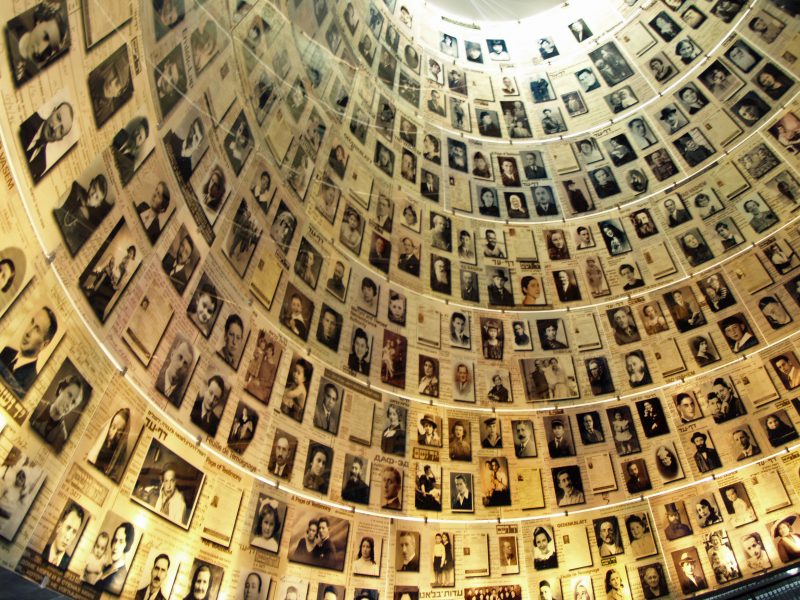
fate because Master Sergeant Edmonds said otherwise. Yad Vashem Hall of Names Memorial to the Holocaust via creativecommons.org/licenses/by-sa/3.0/As
this story has been reported and confirmed as a recent revelation of
History, the Jewish living memorial to the Holocaust known as Yad Vashem
would recognize Edmonds as Righteous Among the Nations which is an
honor given to those who protected the Jewish people during World War
2. The most famous recipient of this honor is Oskar Schindler known to
many through the movie Schindler’s List.
Edmonds would be one of
only 4 American given this high honor and the first American Soldier to
be recognized for his specific and gallant actions to protect the Jewish
people.
But
for a warrior like Edmonds, there was no other choice than to protect
his own and risk the life of over 800 men to do what history would
recognize as the great moral act of that day. While many would hope
they would do the same, Edmonds died an old man in 1985 never having to
wonder for himself.
What he did with a pistol to his head that
day, has been one of the long lost stories of that great struggle. But
lost no more, he deserves the highest honor one could give and the
respect of the historical record.
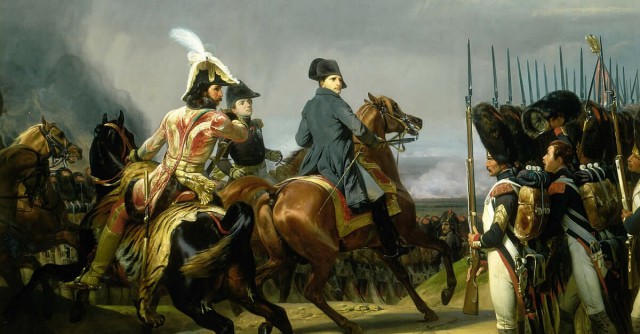
Napoleon
Bonaparte’s rise to power marked the death knell of the French
Revolution. His autocratic government ended the attempts at increased
democracy that had shaken the country for a decade.
The situation was a terribly ironic one. Napoleon never could have risen to power without the revolution he destroyed.
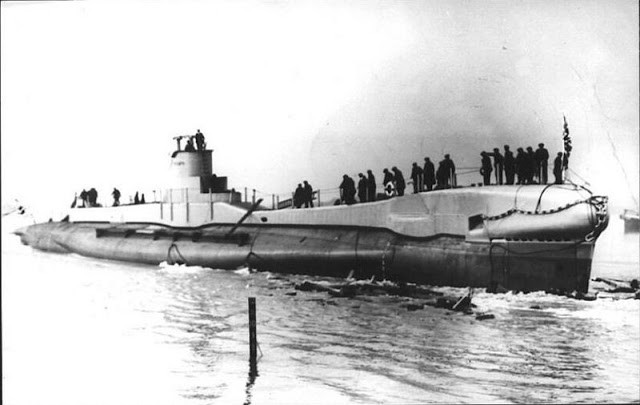
Photo provided by the Royal Navy Submarine MuseumDuring the second world war, some 40 British submarines were sunk in the Mediterranean.
Many have been found, but HMS Triumph, lost with all hands in January 1942, is still unaccounted for.
HMS Triumph (Lt. John Symons Huddart,
RN) sailed from Alexandria on 26 December 1941 to land a party on
Antiparos Island, before making a patrol in the Aegean Sea.
Despite the fact that several historians and modern day Nazi apologists are trying to exonerate the Germans for the countless atrocities and crimes against humanity they committed in Greece during WW2, the truth cannot be hidden.
In Greece, from 1941 to 1944, the civilian deaths resulting from the Nazi German, fascist Italian (until 1943, when the Italians swiftly changed sides) and Bulgarian occupation, adds up to about 578,000 persons.
Τον κίνδυνο της «αποξένωσης» από την εικόνα των ελληνικών λέξεων, λόγω της αυξανόμενης χρήσης των «greeklish», επισήμανε ο καθηγητής της Γλωσσολογίας Γεώργιος Μπαμπινιώτης.
«Εγώ θα έλεγα στον κόσμο που μας …ακούει: ‘’τη γλώσσα και τα μάτια σας’’. Θα έλεγα ότι σε ημέρες κρίσης θα πρέπει να σκύψουμε σε ό,τι καλύτερο διαθέτει αυτός ο τόπος, που είναι ο πολιτισμός μας, η παράδοση μας και με τον πιο εύγλωττο τρόπο η γλώσσα μας.
Δεν είναι απλό εργαλείο η γλώσσα. Είναι ο πολιτισμός μας, είναι η ιστορία μας, είναι η σκέψη μας, είναι η νοοτροπία μας, είναι η ταυτότητά μας. Πάνω από όλα η γλώσσα είναι αξία».
Στη δίκη του Γερμανού ιστορικού Χάιντς Ρίχτερ στο Ρέθυμνο αναφέρεται δημοσίευμα της Süddeutsche Zeitung.
Ο 76χρονος συγγραφέας του βιβλίου “Επιχείρηση Ερμής” (Operation Merkur, 2011), κατηγορείται με βάση τον αντιρατσιστικό νόμο, όπως σημειώνει η εφημερίδα του Μονάχου, για “δυσφήμηση και γελοιοποίηση της κρητικής αντίστασης ενάντια στους εθνικοσοσιαλιστές”.
Όπως υπενθυμίζει η Γερμανίδα ανταποκρίτρια της εφημερίδας, “η Κρήτη δέχθηκε το 1941 επίθεση από τη γερμανική Βέρμαχτ, τον Μάιο συμπληρώνονται 75 χρόνια από τη ‘Μάχη της Κρήτης'”. Η αρθρογράφος επισημαίνει ότι στην Κρήτη συντηρείται μέχρι και σήμερα η μνήμη της “ηρωικής” αντίστασης ενάντια στους Γερμανούς κατακτητές. Όπως γράφει, “ο Ρίχτερ λέει ότι η αντίσταση (σ.σ των Κρητών) παρουσιάζεται με ‘ρομαντικό τρόπο’, οι φρικαλεότητες των κρητών ανταρτών όμως αφήνονται στο περιθώριο. ‘Ήταν ένας πόλεμος στην πιο άγρια, πρωτόγονη μορφή του'”, γράφει ο Γερμανός ιστορικός στο βιβλίο του, αναφέροντας μεταξύ άλλων ότι “τραυματίες θανατώθηκαν, νεκροί ατιμάστηκαν”.
Στις 12 το μεσημέρι ξεκίνησε και πάλι η δίκη του καθηγητή Ρίχτερ , με την κατάθεση του κ. Μαργαρίτη.
Χθες κατέθεσε ο καθηγητής νεότερης ιστορίας στο Πανεπιστήμιο Αθηνών κ. Αντώνης Λιάκος. Παράλληλα, κρίθηκε σκόπιμο να γίνει κατ’ αντιπαράσταση εξέταση με τον καθηγητή σύγχρονης κοινωνικής και πολιτικής ιστορίας στο ΑΠΘ κ. Γιώργο Μαργαρίτη, αφού και οι δύο μάρτυρες είχαν κληθεί τις προηγούμενες ημέρες από το δικαστήριο ως μάρτυρες με εξειδικευμένες γνώσεις. Η δίκη θα συνεχιστεί σήμερα, στις 12 το μεσημέρι με την κατάθεση του κ. Μαργαρίτη.
Νωρίτερα, χθες το πρωί, η δίκη διεκόπη για μιάμιση ώρα, ενώ το δικαστήριο διέταξε τη βίαιη προσαγωγή των απόντων μαρτύρων που είχαν κληθεί να παραστούν στη χθεσινή ακροαματική διαδικασία. Πρόκειται για τους καθηγητές του τμήματος πολιτικής επιστήμης του Πανεπιστημίου Κρήτης κ.κ Ήβη-Αγγελική Μαυρομούστακου, Κωνσταντίνο Λάβδα και Νεκτάριο Αλεξόπουλο, καθώς και τον κ. Γιώργο Μαργαρίτη ο οποίος όμως παρουσιάστηκε λίγη ώρα αργότερα στη δίκη. Επιπλέον, κλήθηκε εκ νέου για σήμερα από το δικαστήριο ο Δήμαρχος Πλατανιά κ. Γιάννης Μαλανδράκης.
Η κατάθεση Λιάκου
Πρώτος κλήθηκε να καταθέσει ο καθηγητής ιστορίας κ. Αντώνης Λιάκος. Ο κ. Λιάκος κλήθηκε να καταθέσει στο δικαστήριο έπειτα από πρόταση των συνηγόρων υπεράσπισης του καθηγητή Ρίχτερ, ως μάρτυρας με εξειδικευμένες γνώσεις. Μάλιστα όπως ανέφερε ο ίδιος στην αρχή της κατάθεσής του είχε συμμετάσχει σε διεθνές συνέδριο στο Άμστερνταμ το 2010, σε ειδική συνεδρίαση σχετικά με τους νόμους που θίγουν ζητήματα ιστορίας και μνήμης ενώ παράλληλα έχει υπογράψει -όπως τόνισε και ο ίδιος- στη διαμαρτυρία 200 ιστορικών για το άρθρο 2 του αντιρατσιστικού νόμου και τόνισε ότι το συγκεκριμένο άρθρο δεν θα έπρεπε να έχει συμπεριληφθεί. Ο κ. Λιάκος ξεκαθάρισε πως γνωρίζει τον καθηγητή Ρίχτερ μέσα από το έργο του και όχι προσωπικά ενώ ανέφερε πως έχει διαβάσει το επίμαχο βιβλίο του για τη Μάχη της Κρήτης. Ο κ. Λιάκος ρωτήθηκε στο πλαίσιο των εξειδικευμένων γνώσεών του σχετικά με τη μεθοδολογία του Γερμανού καθηγητή στο έργο του αλλά και τον τρόπο με τον οποίο τεκμηριώνει τις επίμαχες αναφορές στο βιβλίο του.
Σε μία υψηλού επιπέδου επιστημονική αντιπαράθεση εξελίχθηκε το διήμερο Πέμπτης και Παρασκευής, στην εκδίκαση της υπόθεσης Ρίχτερ, που μετά τις διακοπές των γιορτών, από την Πέμπτη συνεχίζεται πλέον κανονικά. Ο επικεφαλής του εθνικού διαλόγου για την Παιδεία κ. Αντώνης Λιάκος αλλά και ο καθηγητής Σύγχρονης Ιστορίας Γιώργος Μαργαρίτης διασταύρωσαν την Πέμπτη και σε αντιπαράσταση εξέταση στο δικαστήριο τις επιστημονικές και ιστορικές γνώσεις τους.
«Η μάχη θα δοθεί στην “καρδιά του θηρίου”. Δεν συμβιβαζόμαστε με τίποτα λιγότερο από την εκκαθάριση των υποχρεώσεων της Γερμανίας από το ναζιστικό της παρελθόν και η διεθνοποίηση των διεκδικήσεών μας είναι αναγκαίος όρος για την κάμψη των αντιστάσεων της γερμανικής κυβέρνησης».
Ο νέος πρόεδρος της διακομματικής επιτροπής της Βουλής για τις αποζημιώσεις και τις οφειλές της Γερμανίας, Τριαντάφυλλος Μηταφίδης, λίγες μέρες μετά τη συνάντησή του με την ομάδα των Γερμανών δικηγόρων «Δίστομο», τοποθετείται με σαφήνεια σχετικά με τις ελληνικές προθέσεις στο επίμαχο ζήτημα.
Βουλευτής του ΣΥΡΙΖΑ σήμερα, ο κ. Μηταφίδης, μορφή του αντιδικτατορικού αγώνα, ανέδειξε όλα τα προηγούμενα χρόνια με την προσωπική του συμμετοχή το ζήτημα των αποζημιώσεων και των οφειλών, ειδικότερα στο κομμάτι που αφορά τη Θεσσαλονίκη, και τώρα, από τη νέα θέση του, μιλώντας στην «Εφ.Συν.», καταγράφει προτεραιότητες και επανατοποθετεί τους στόχους της ελληνικής πλευράς μέσα στο «εχθρικό» διεθνές περιβάλλον, όπου όμως υπάρχουν και «συναγωνιστές».
Since the dawn of mankind, the ambit of conflict has always been a constant feature in the intricate tapestry of history. And in such a vast scope of destruction and death, there have been a few civilizations, tribes and factions that have rather ‘thrived’ on warlike conditions. So, without further ado, let us check out the fifteen of the most disciplined, ferocious yet tactically evolved warrior cultures who had nigh perfected the ‘art of war’ or rather the art of dealing with war.
*Note – The list not only reflects their successes in battles or wars, but it also pertains to how they perceived the scope of war or conflict.
1) Assyrian –
During their zenith period from 10th century BC to 7th century BC, the Assyrians controlled a vast territory that extended from the borders of Egypt to the eastern highlands of Iran. Many historians perceive Assyria to be among the first ‘superpowers’ of the Ancient World. And quite paradoxically, the rise of Assyrian militarism and imperialism mirrored their land’s initial vulnerability, as it laid inside the rough triangle between the cities of Nineveh, Ashur and Ardabil (all in northern Mesopotamia).
In essence, the Assyrian rulers had to maintain an effective military out of necessity that could launch offensive campaigns against enemies surrounding their precariously positioned kingdom. The grand result was a standing army with ruthless discipline, order, uniformity and a penchant for using advanced siege weaponry like gargantuan mobile towers and boisterous siege engines.
Τα κάλαντα είναι, ίσως, μια από τις πιο γλυκές αναμνήσεις των
παιδικών μας χρόνων γιατί εκτός του γεγονότος ότι αποτελούν ένα
σημαντικό κομμάτι των εορτών των Χριστουγέννων είναι το έθιμο που αφορά,
όσο κανένα άλλο, τα παιδιά.
Γιατί όπως και να το κάνουμε Χριστούγεννα χωρίς κάλαντα δεν γίνονται.
Ο ενθουσιασμός της προηγούμενης νύχτας, που εσύ και η εκλεκτή παρέα
σου, γιατί ναι φίλους μπορεί να είχες πολλούς αλλά για κάλαντα πήγαινες
μόνο με τους κολλητούς, καταστρώνατε στρατηγικό σχέδιο για την ανάπτυξη
της επιχείρησης “κάλαντα”.
Πριν από 100 χρόνια, σαν σήμερα, τα πρώτα
Χριστούγεννα από την έναρξη του Α’ Παγκοσμίου Πολέμου, το χειμώνα του
1914, πάνω από 1 εκατ. στρατιώτες του Δυτικού Μετώπου*, αψηφώντας τις
εντολές των ανωτέρων τους, εγκατέλειψαν τα χαρακώματα και σκορπίζοντας
ευχές γιόρτασαν με τον εχθρό, παίζοντας ποδόσφαιρο σε μια αυθόρμητη
εκεχειρία που έμεινε για πάντα στη παγκόσμια ιστορία. Μια «ανταρσία της
ανακωχής», ονομάστηκε και “η ανακωχή των φιλαράκων με τα χακί” εν μέσω
του «Μεγάλου Πολέμου» που τελικά στοίχισε τη ζωή σε περισσότερους από 18
εκατ. ανθρώπους.
Την παραμονή των Χριστουγέννων, άνδρες του βρετανικού στρατού άκουσαν
του Γερμανούς να τραγουδούν τα κάλαντα και είδαν φανάρια και μικρά
έλατα στα χαρακώματα τους. Τα μηνύματα άρχισαν να περνούν σε όλους τους
στρατιώτες, με την επόμενη ημέρα να βρίσκει Βρετανούς και Γερμανούς να
ανταλλάζουν δώρα, να βγάζουν φωτογραφίες, να θάβουν τους νεκρούς τους
και να παίζουν έναν αγώνα ποδοσφαίρου για να γιορτάσουν την εκεχειρία
που μόνοι τους αποφάσισαν.
Πολλοί αξιωματικοί ανησύχησαν πως η συμπεριφορά των στρατιωτών τους
θα υπονόμευε το μαχητικό πνεύμα, με αποτέλεσμα οι ανώτεροι να δίνουν
εντολές για λήψη μέτρων ώστε να μην συμβεί ξανά ανάλογο περιστατικό,
θέλοντας να διατηρήσουν την αυθόρμητη ανακωχή στο επίπεδο ενός
μεμονωμένου περιστατικού στο Δυτικό Μέτωπο. «Εκείνα τα Χριστούγεννα,
κατάφεραν να κάνουν θανάσιμους εχθρούς, φίλους για μια στιγμή», ανέφερε ο
ιστορικός Φράνσις Τοουντρόου, σύμφωνα με το BBC.
Στις δώδεκα του μηνός ο υπουργός πολιτισμού
κ. Αριστ. Μπαλτάς “εγκαινίασε” το αναστηλωμένο θέατρο της Αρχαίας
Απτέρας. Αυτό ήταν η κορύφωση ενός αποτελέσματος μετά από επίμονη και
φιλότιμη προσπάθεια των ειδικών, όπου με όλα τα προβλήματα και κυρίως με
τα λιγοστά χρήματα που μπόρεσε να διαθέσει η πολιτεία, έφεραν ένα καλό
αποτέλεσμα. Μπράβο τους.
Αλλά ας δούμε τώρα τι γινόταν πριν μερικά χρόνια στον χώρο της
Απτέρας. Οι πέτρες από τη πόλη, δηλαδή, ναών, οικιών, θεάτρου κ.λ.π.
ήταν πελεκημένες, τετραγωνισμένες, άρα έτοιμες για χρήση. Έτσι επί
τουρκοκρατίας οι Τούρκοι έφτιαξαν με αυτές το φρούριο Κούλε πάνω στην
Απτέρα. Το φρούριο Ιτζεδίν στο Καλάμι, ενώ το Ελληνικό δημόσιο αργότερα
όταν το έκανε φυλακές, πρόσθεσε ένα όροφο και τοίχο γύρω-γύρω, όπως
είναι σήμερα στη σημερινή του μορφή, με πέτρες από τα Άπτερα. Αργότερα
όταν αποφάσισαν να φτιάξουν το Ναύσταθμο Σούδας για το Πολεμικό Ναυτικό,
τα κτήρια και ο τοίχος που τον περικλείει κτίστηκαν με πέτρες από τα
Άπτερα. Το ίδιο έγινε και στο λιμάνι των Χανίων. Όλες οι επανορθώσεις
από τις καταστροφές που προκάλεσαν οι βομβαρδισμοί από τους Γερμανούς το
’41 έγιναν από πέτρες της Απτέρας κυρίως από το θέατρό της.
Εδώ, να αναφέρουμε οτι το ’41, μονάδες του Αγγλικού στρατού είχαν
στρατοπεδεύσει στην Αρχ. Απτέρα πριν φύγουν για τα Σφακιά και από εκεί
στη Μέση Ανατολή. Τους είδε ένα Γερμανικό αναγνωριστικό αεροπλάνο και
την επομένη οι Γερμανοί βομβάρδισαν τον Αρχαιολογικό χώρο. Τότε
ισοπέδωσαν τα λίγα κτήρια που ήταν ακόμα όρθια.
Γράφει ο Νίκος Μπογιόπουλος
«…κινέζικα μεροκάματα, αυτός είναι τώρα ο σκοπός που επιδιώκει το αγγλικό κεφάλαιο»
Καρλ Μαρξ, «Το Κεφάλαιο», τόμος 1ος, σελ. 622
«…η ανάπτυξη της κεφαλαιοκρατικής παραγωγής έριξε τους εργάτες όλου
του κόσμου. Δεν πρόκειται πια για το κατέβασμα των αγγλικών μισθών στο
επίπεδο των μισθών της ηπειρωτικής Ευρώπης, αλλά για το κατέβασμα στο
λίγο – πολύ κοντινό μέλλον των ευρωπαϊκών μισθών στο κινέζικο επίπεδο»
Καρλ Μαρξ, «Το Κεφάλαιο», τόμος 1ος, σελ. 885
Αυτή η – καινοφανής για τα σημερινά δεδομένα – σύλληψη του Μαρξ δεν
προέκυψε μετά τo… «σκίσιμο του Μνημονίου» και την «αλλαγή της Ευρώπης»
από τον Τσίπρα. Ούτε μετά από τα «ουδείς αναμάρτητος» του Σαμαρά στη
Μέρκελ.
Γράφει ο Χρήστος Τσαντής*
Τον πίνακα του Πέτρου Βλαχάκη για τη Μάχη της Κρήτης επικαλείται ο κ.
Ρίχτερ στο βιβλίο του για να υποστηρίξει τον ισχυρισμό περί «βρώμικης
και κτηνώδους» αντίστασης από την πλευρά των Κρητικών. Η δίωξή του και η
δίκη που διεξάγεται αυτή την περίοδο προφανώς και δεν απαντάει στην
επιχείρηση αναθεώρησης της ιστορίας την οποία μεθοδικά προωθεί ένα τμήμα
Γερμανών ιστορικών. Η αντιπαράθεση στο πεδίο της ιστορικής έρευνας
γίνεται με επιχειρήματα και όχι με διώξεις. Αυτό όμως απέχει πολύ από το
να επιβραβεύουμε τη διαστροφή της ιστορίας και να αποδίδουμε τιμές, σαν
πολιτεία ή σαν πανεπιστημιακά ιδρύματα, σε πλαστογράφους της ιστορίας.
Γύρω από αυτό το ζήτημα όμως προκύπτουν και κάποια ακόμα σοβαρά θέματα.
Για να πάρουμε όμως τα πράγματα με τη σειρά. Τί απεικονίζει ο
συγκεκριμένος πίνακας του Πέτρου Βλαχάκη; Ο ζωγράφος κατέγραψε αυτό
ακριβώς που είδαν τα μάτια του. Ο ναζί φαντάρος, μέλος της στρατιάς των
εισβολέων, μόλις έχει σκοτώσει τον Μανώλη Θεοδωράκη. Ο άνδρας που
σηκώνει την πέτρα, γείτονας του θύματος, θα έπρεπε κατά τον κύριο Ρίχτερ
να πει στους εισβολείς: «Περάστε! Τί θα πάρετε;» Μόνο που οι ναζί δεν
ήρθαν για… τουρισμό στην Κρήτη!




 Τον κίνδυνο της «αποξένωσης» από την εικόνα των ελληνικών λέξεων, λόγω της αυξανόμενης χρήσης των «greeklish», επισήμανε ο καθηγητής της Γλωσσολογίας Γεώργιος Μπαμπινιώτης.


